silver
#
silver
#
united-states
#
decorative-art
Dimensions: 9 5/8 x 3 1/8 in. (24.45 x 7.94 cm)
Copyright: Public Domain
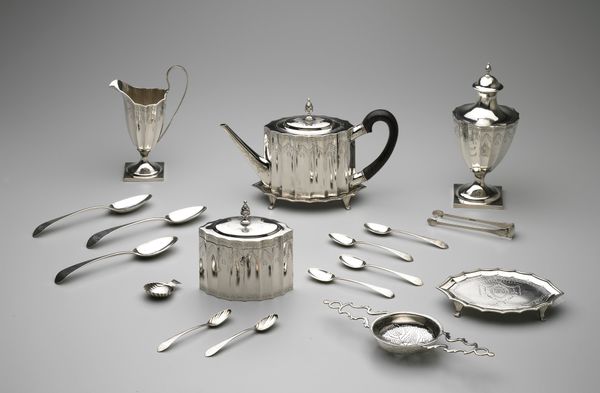
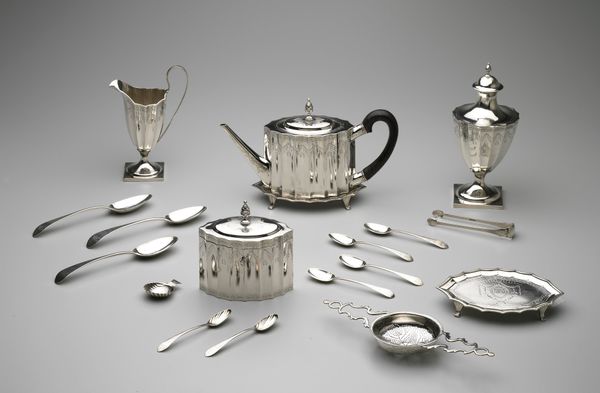
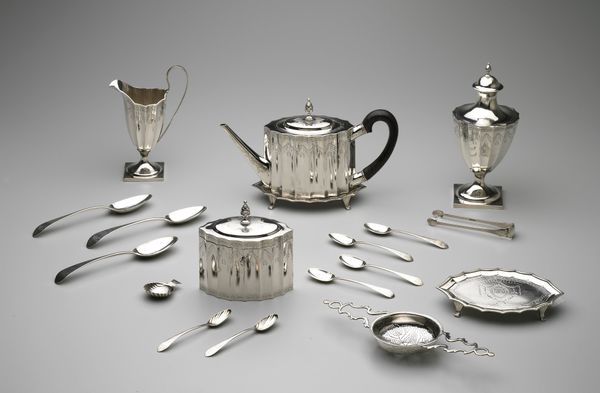
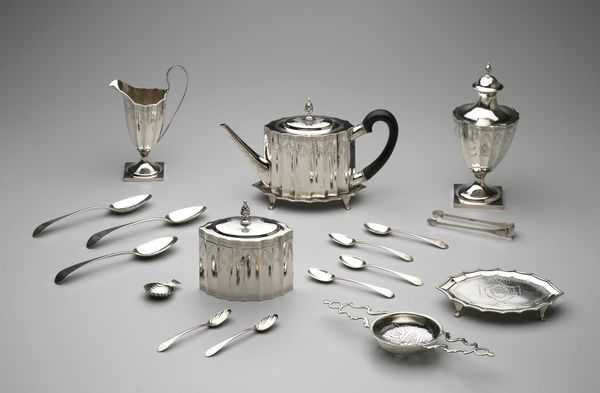
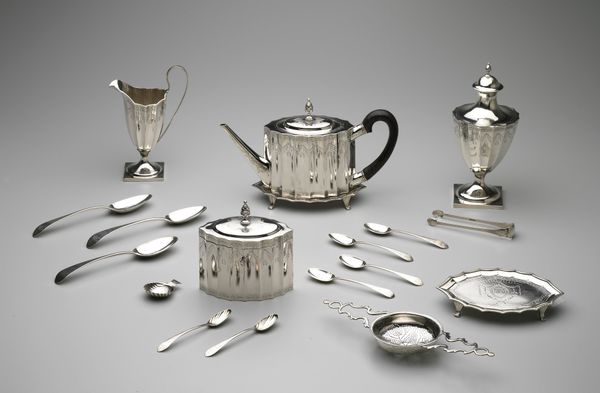
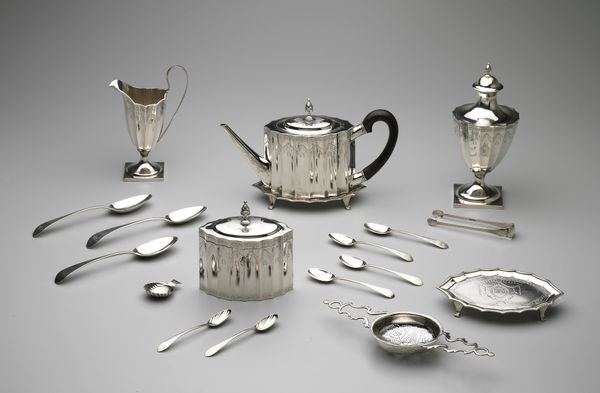
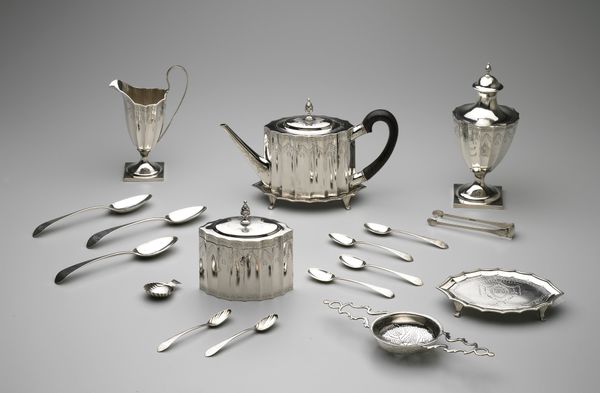
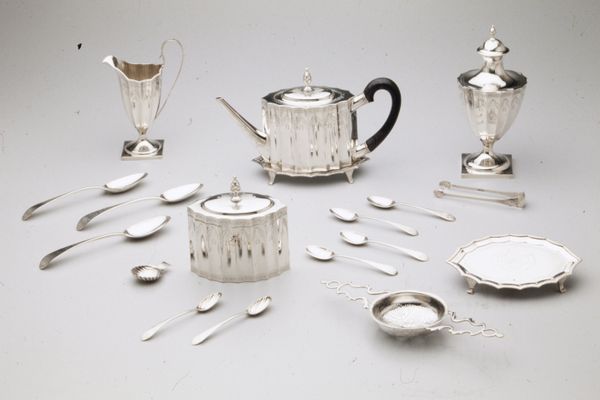
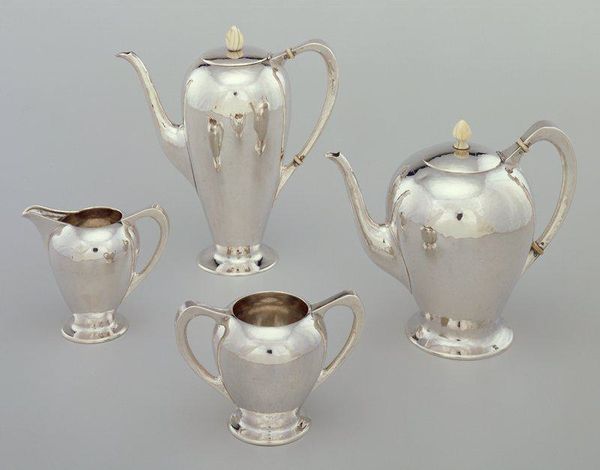
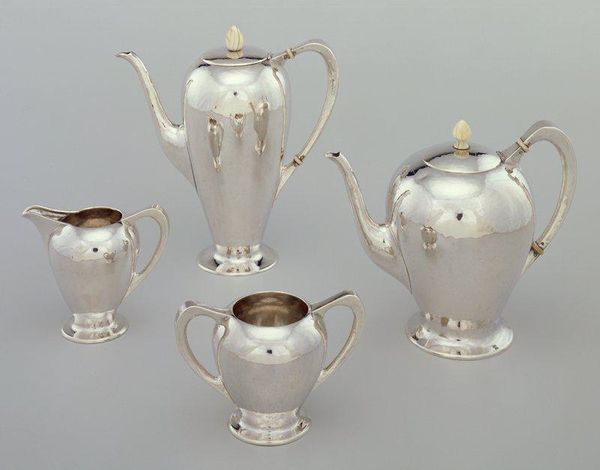
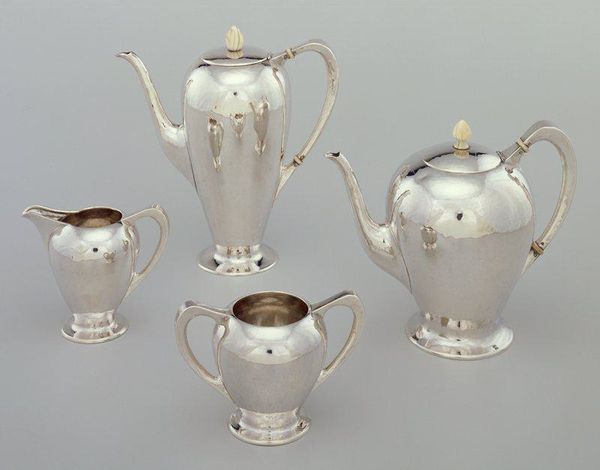
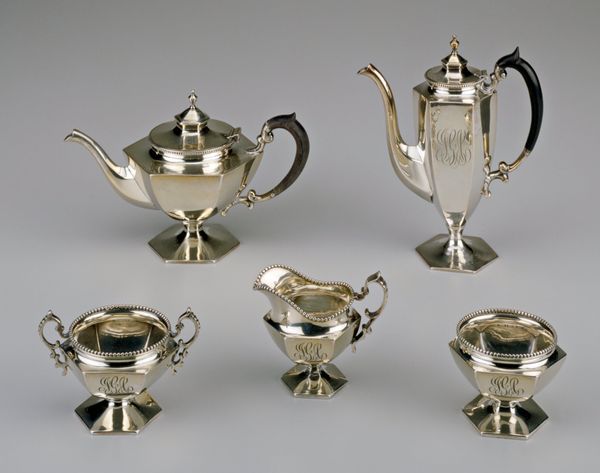
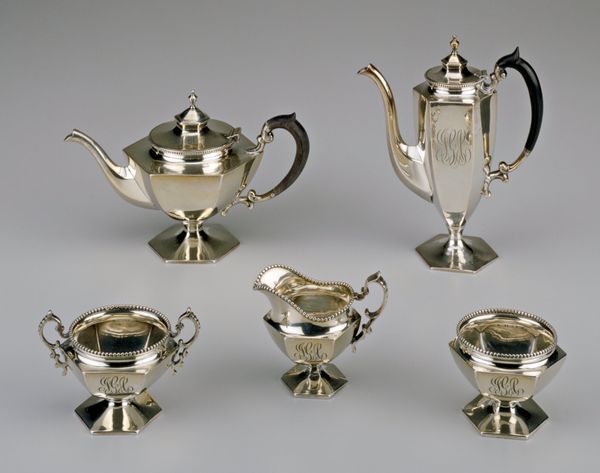
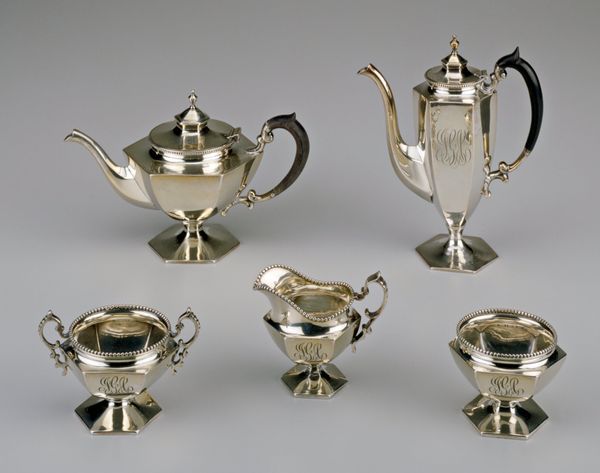
This sugar bowl was made by Paul Revere, a silversmith in the American colonies. It is crafted from sheets of sterling silver. The metal was likely melted, hammered, and then shaped using tools like planishing hammers, files, and dies. The bowl’s surface is decorated with fluted panels, and it shows the incredible amount of labor involved in the production process. Revere, like other silversmiths of his era, was not just an artisan, but also an early entrepreneur. He would have employed apprentices and journeymen, organizing his workshop along proto-industrial lines. Silver objects like these were luxury goods, emblems of wealth and status in colonial society, and demonstrate the intimate relationship between craft and emerging capitalism. Examining this sugar bowl through the lens of materials and making highlights the broader social and economic context in which it was produced, challenging traditional distinctions between fine art and craft.
Comments

minneapolisinstituteofart almost 2 years ago
⋮
The most complete Revere service known, this set was made for a Boston merchant and his wife, John and Mehitable Templeman. It includes one of only two tea caddies made by Revere. The locked boxes held loose tea, an expensive and fashionable commodity. The shell-shaped spoon was used for measuring tea and the sieve was used for straining punch, a beverage often served along with tea. The second stand may have been used as a tray for spoons no longer in use. The accompanying teaspoons and tablespoons have only recently been reunited with this service.


Join the conversation
Join millions of artists and users on Artera today and experience the ultimate creative platform.
 Collect
More like this