1786 - 1832
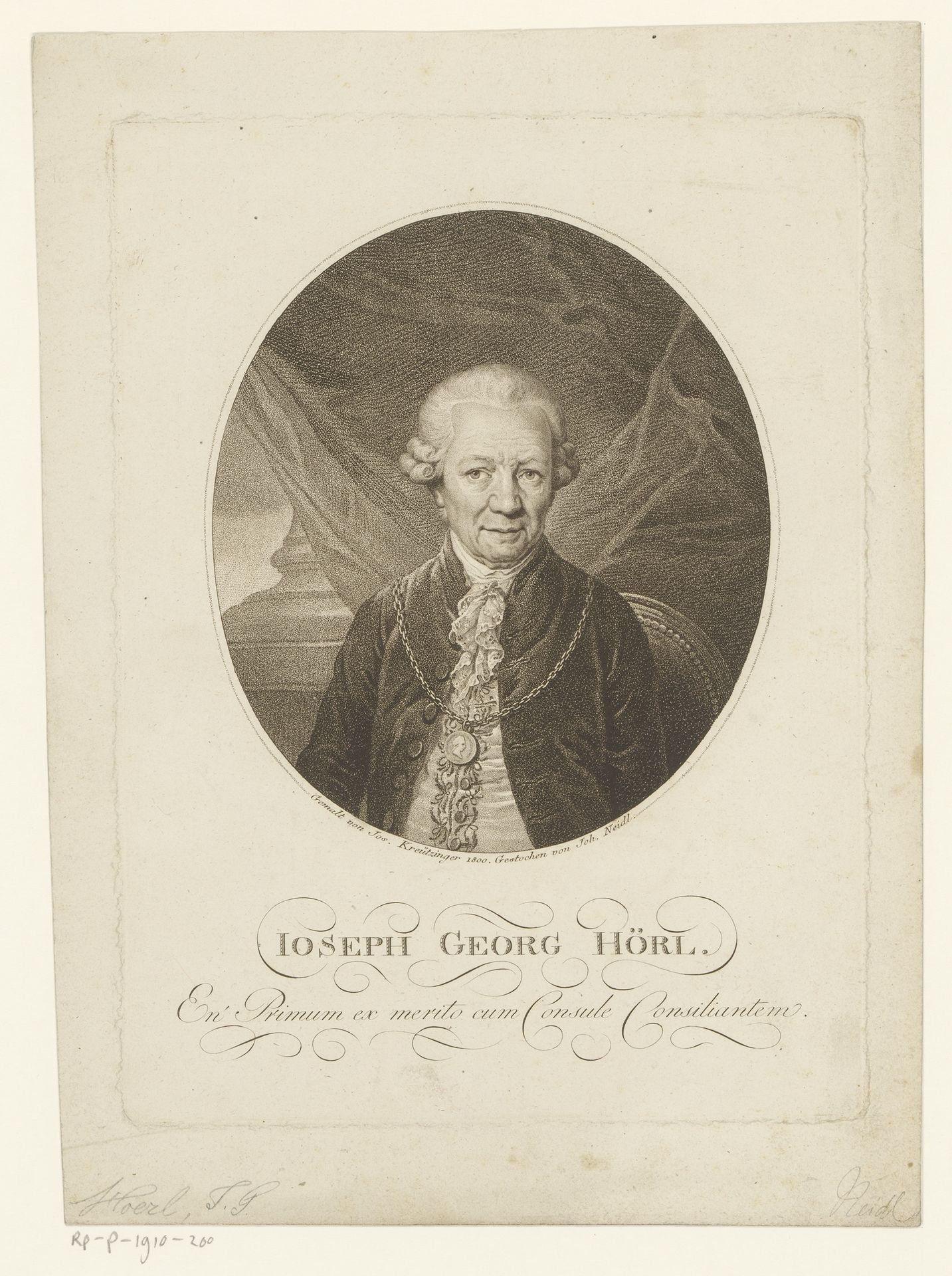
Portret van Joseph Georg Hörl

Listen to curator's interpretation
Curatorial notes
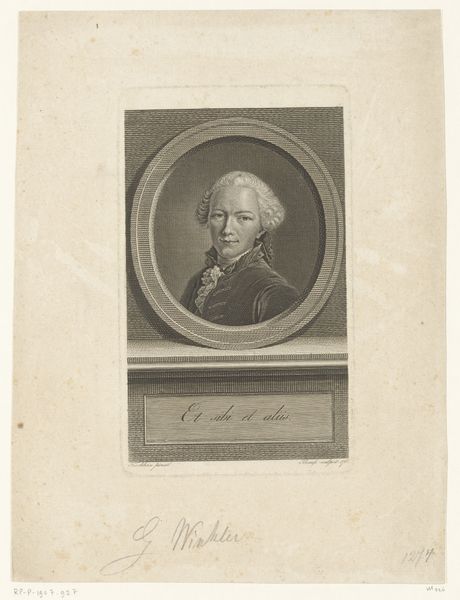
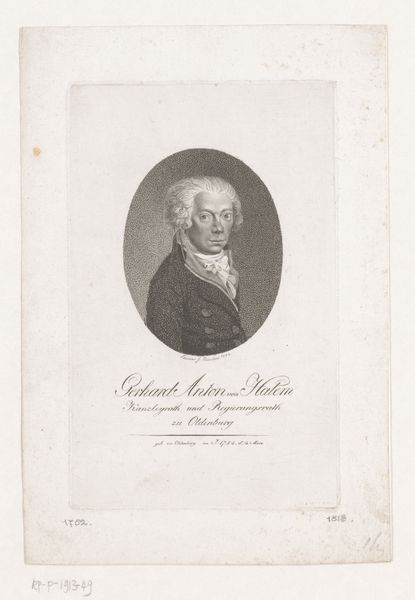
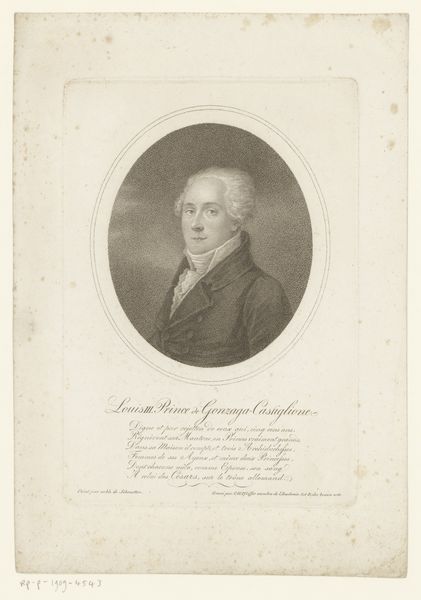
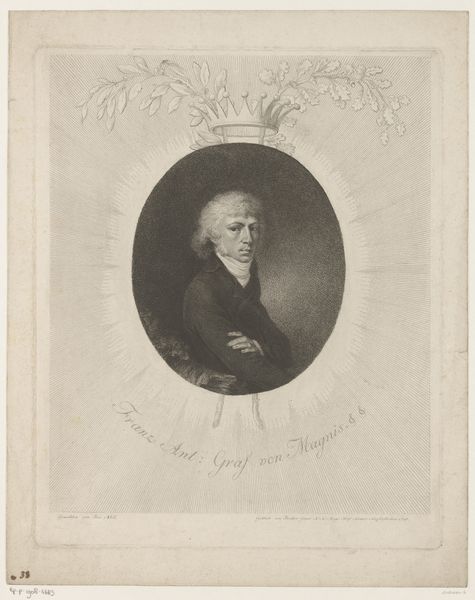
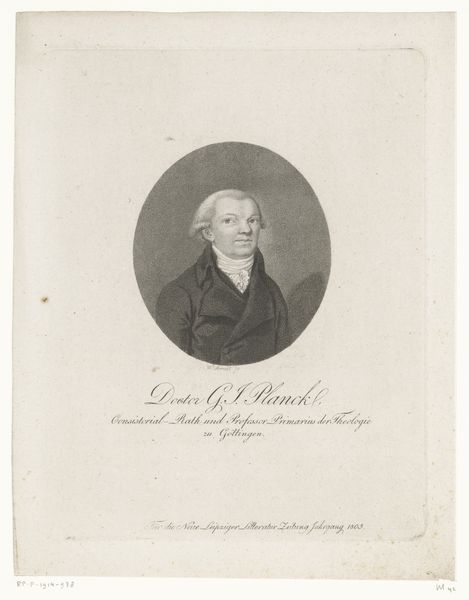
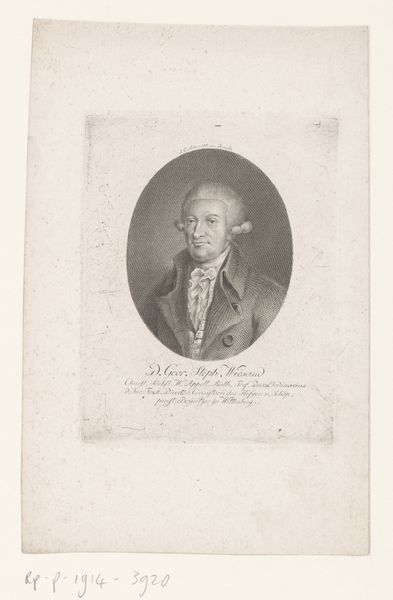
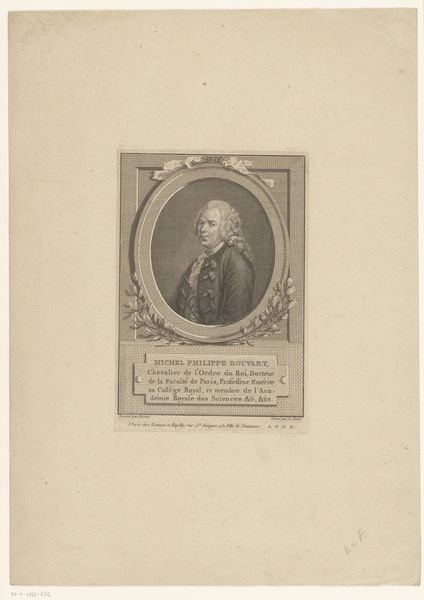
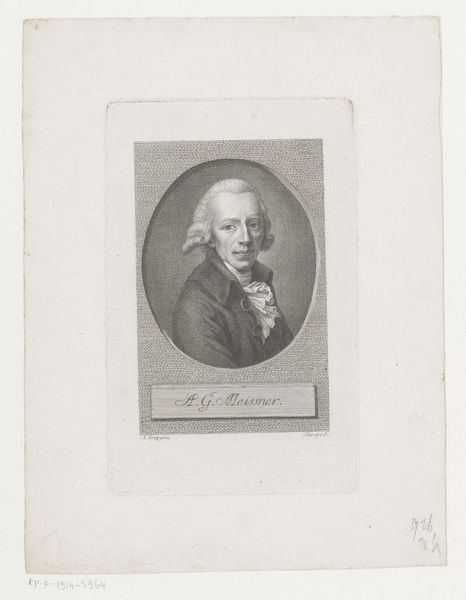
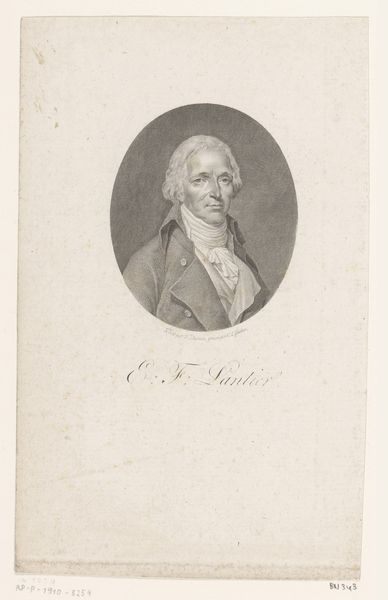
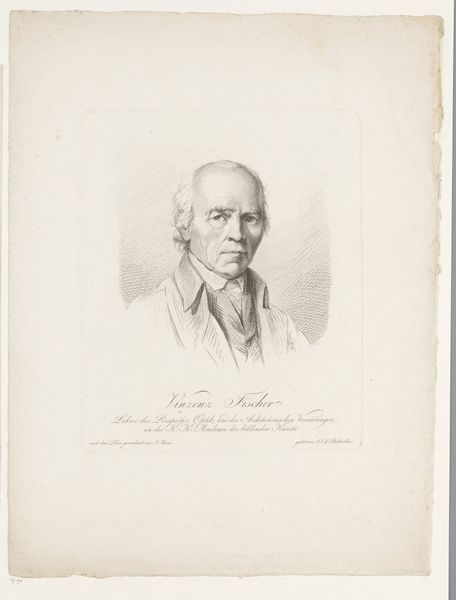
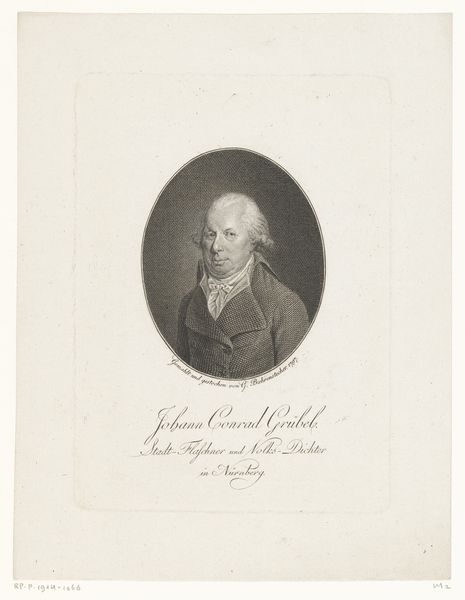
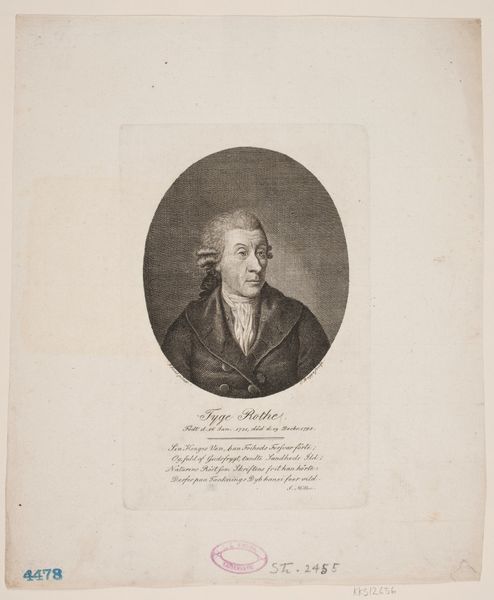
Editor: Here we have a portrait of Joseph Georg Hörl, created sometime between 1786 and 1832 by Johann Josef Neidl. It's an engraving, and the fine lines really caught my eye. What strikes you most about it? Curator: Well, seeing an engraving like this, I immediately think about the material conditions that made it possible. The engraver needed specific tools, access to copper or steel plates, inks, and paper. This wasn't a solitary act of genius, but the result of a whole system of specialized labor and trade. Editor: So, it's less about the man depicted and more about the process of making the print? Curator: Precisely. Consider the social context. Who was buying these engravings? Was it mass-produced for a wider audience or intended for a wealthier clientele? The act of reproducing an image like this democratizes art to an extent, but the consumption remains linked to certain socioeconomic classes who valued or could afford such items. How do you think this process influenced how Neidl portrayed the subject? Editor: That's interesting. Maybe it’s why he chose such formal attire, it signaled his worth, as the final work itself signaled worth in possessing it! Is the material value itself almost part of the subject of the image? Curator: Exactly. We're not just seeing a portrait of an individual; we're seeing a manifestation of material culture, a complex interaction between the artist, the means of production, and the consumer. Editor: I never thought about an artwork like this that way before, it definitely puts a new lens on it. Thanks for this explanation! Curator: Of course. It helps to consider art objects within broader systems of making and use!