Great plant entrance of the city of Pompeii and surrounding buildings

Listen to curator's interpretation
Curatorial notes
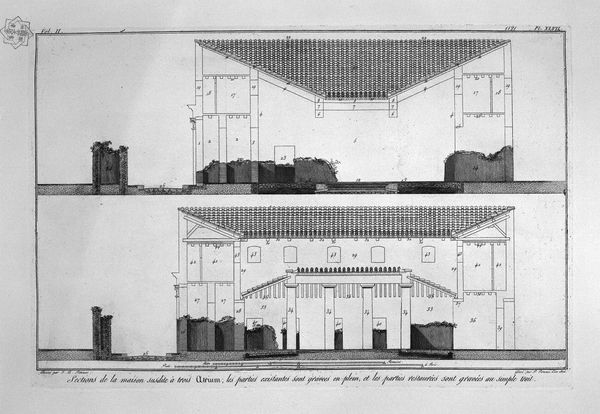
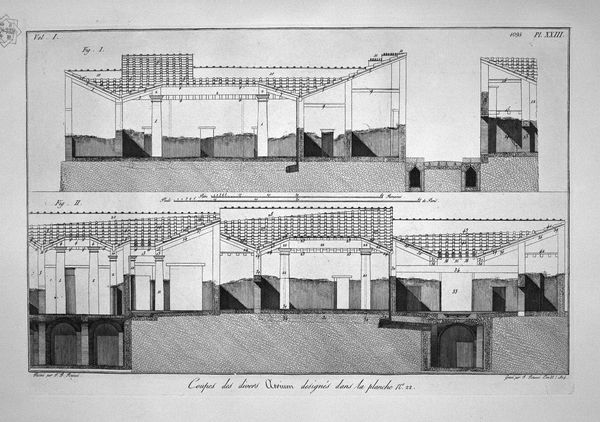
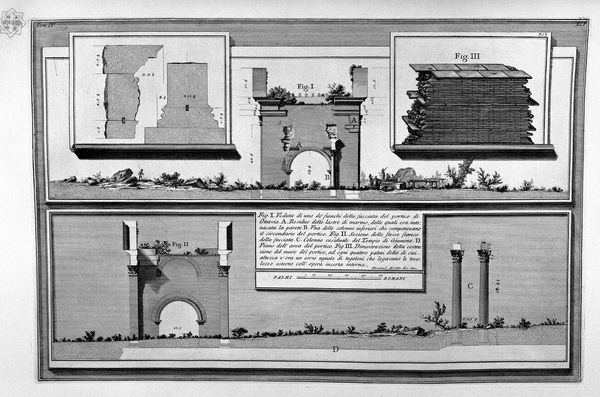
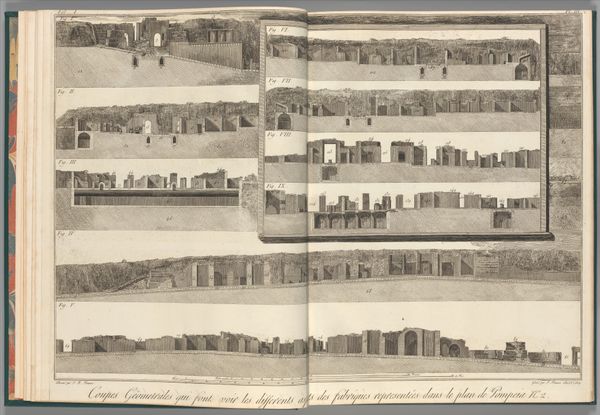
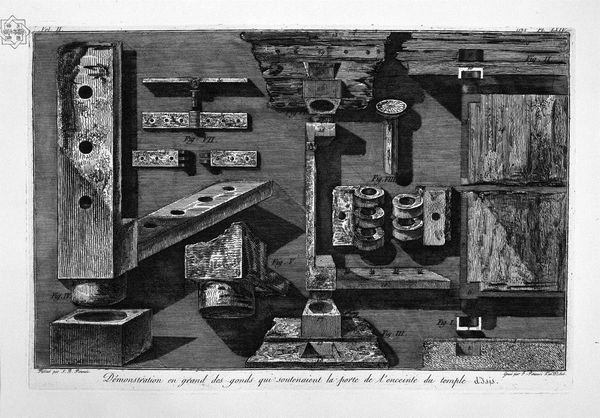
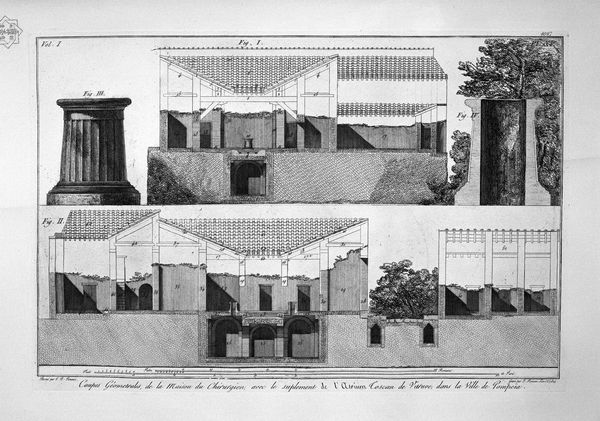
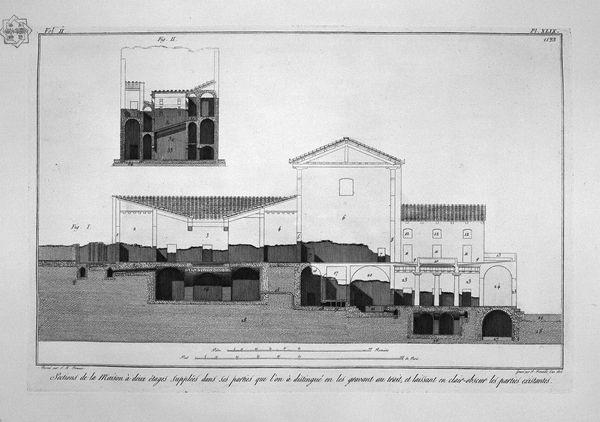
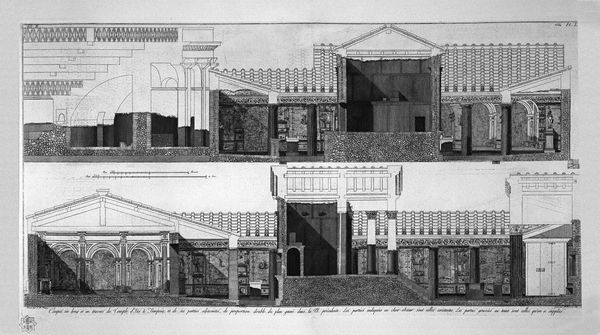
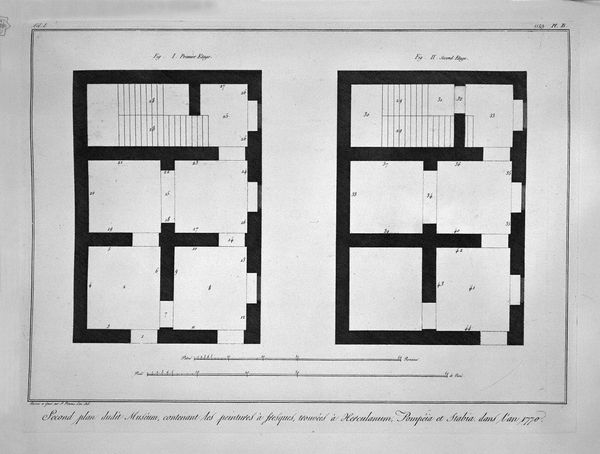
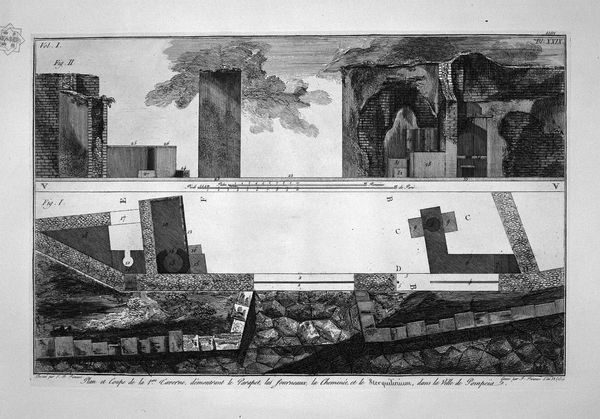
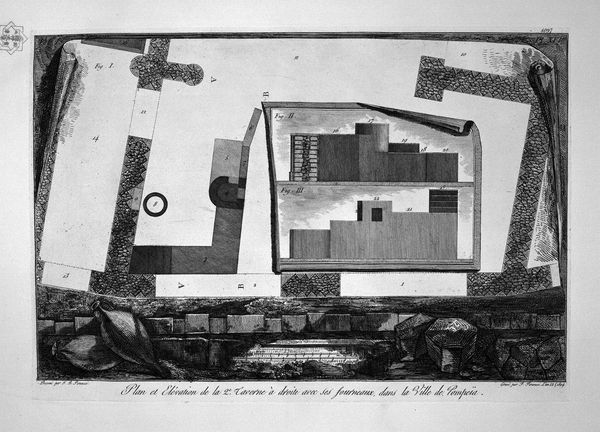
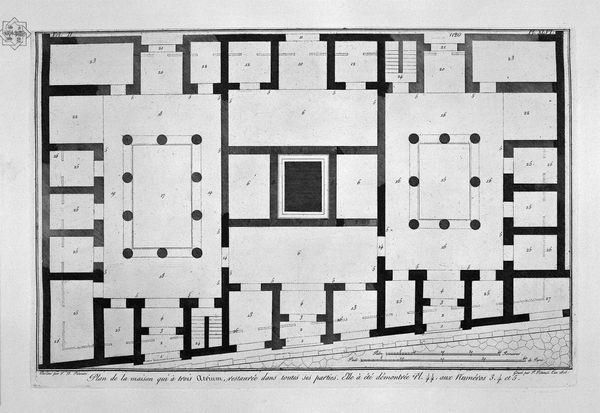
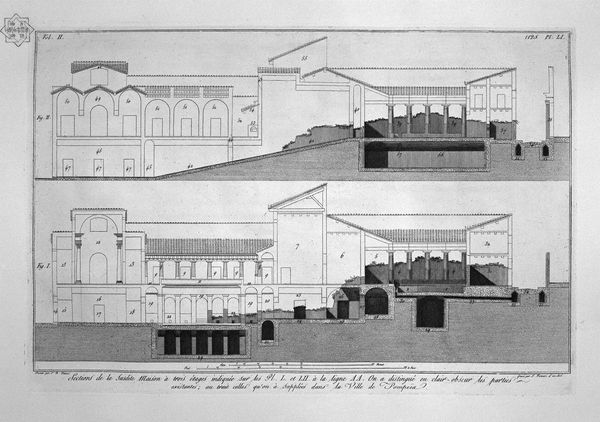
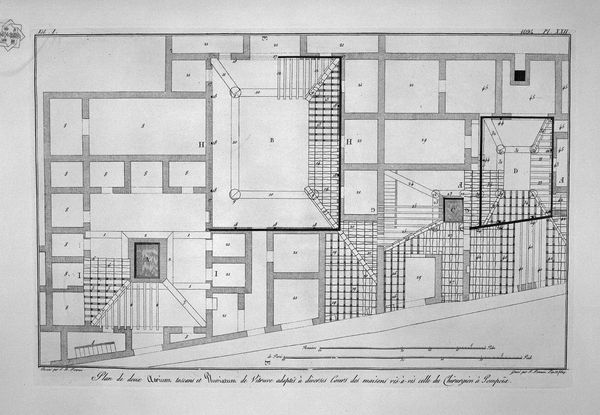
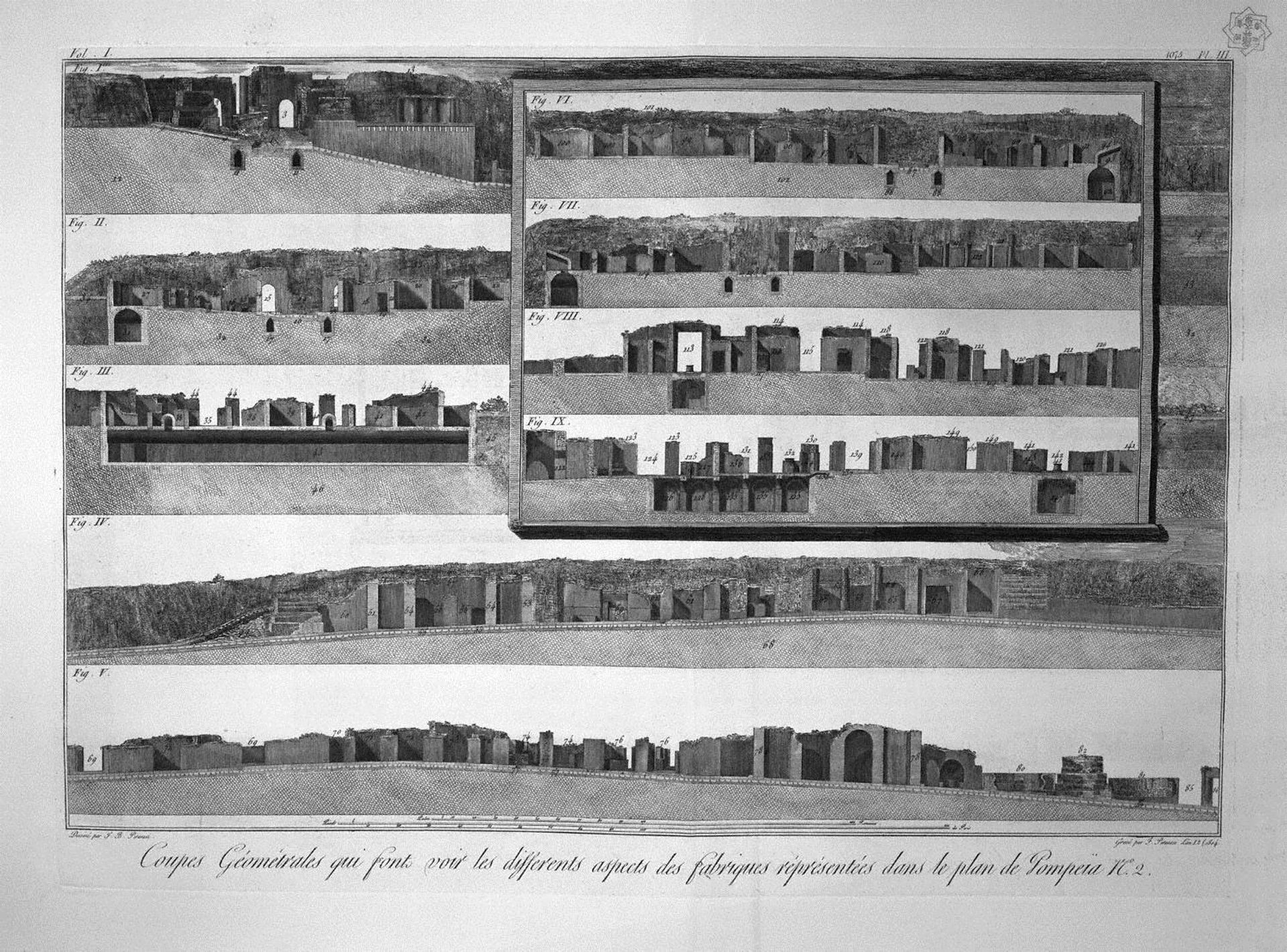
Giovanni Battista Piranesi made this etching of the “Great plant entrance of the city of Pompeii and surrounding buildings” in 18th century Italy, amidst a revival of interest in classical antiquity. Piranesi's detailed cross-sections and elevations offer a pseudo-scientific view of Pompeii. They reflect the growing academic interest in archaeology, but also reveal the institutional structures that shape our understanding of the past. Piranesi presents us with a scientific approach to architectural representation. By labeling each feature, Piranesi presents the city as an open-air museum. Piranesi was not just an artist, but also an antiquarian and printmaker. His works appealed to a growing market of wealthy Europeans eager to possess visual records of their Grand Tour travels. His prints helped shape the perception of Roman antiquity, influencing architects, artists, and scholars for generations to come. To truly appreciate Piranesi's work, one must delve into the history of archaeology, the Grand Tour, and the print market of 18th-century Europe. We should treat it as a cultural object, shaped by the social and intellectual currents of its time.