1848 - 1850
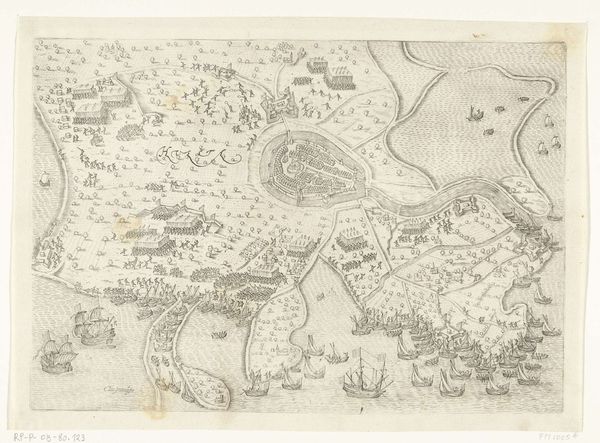
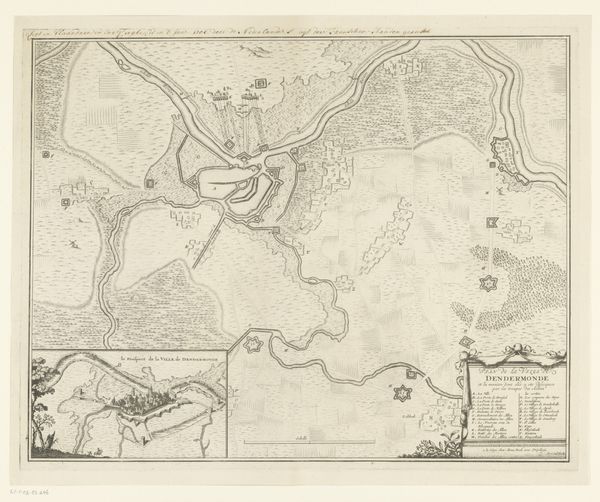
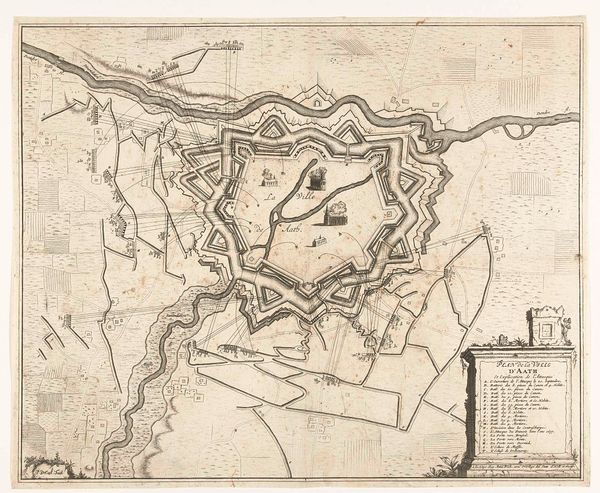
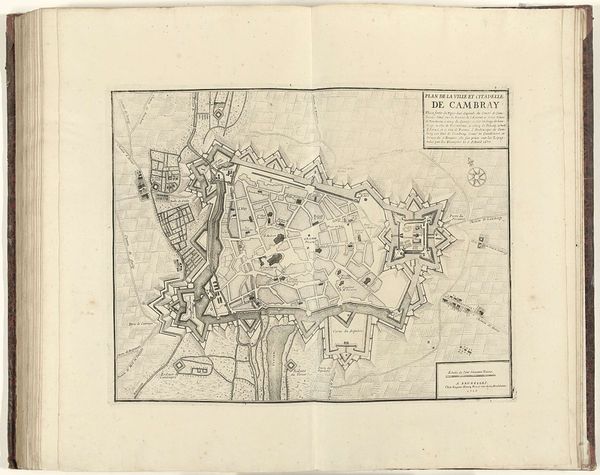
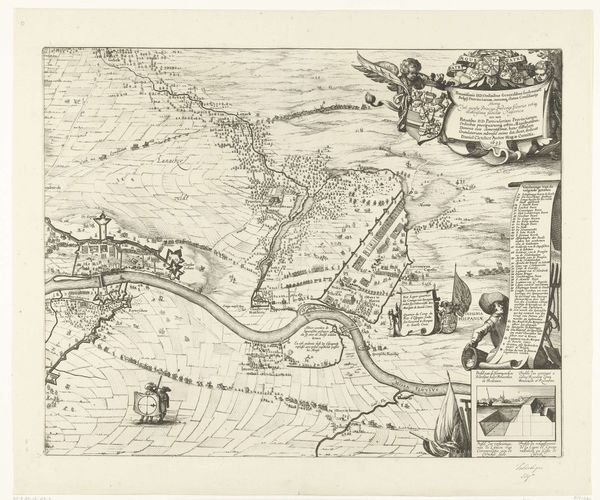
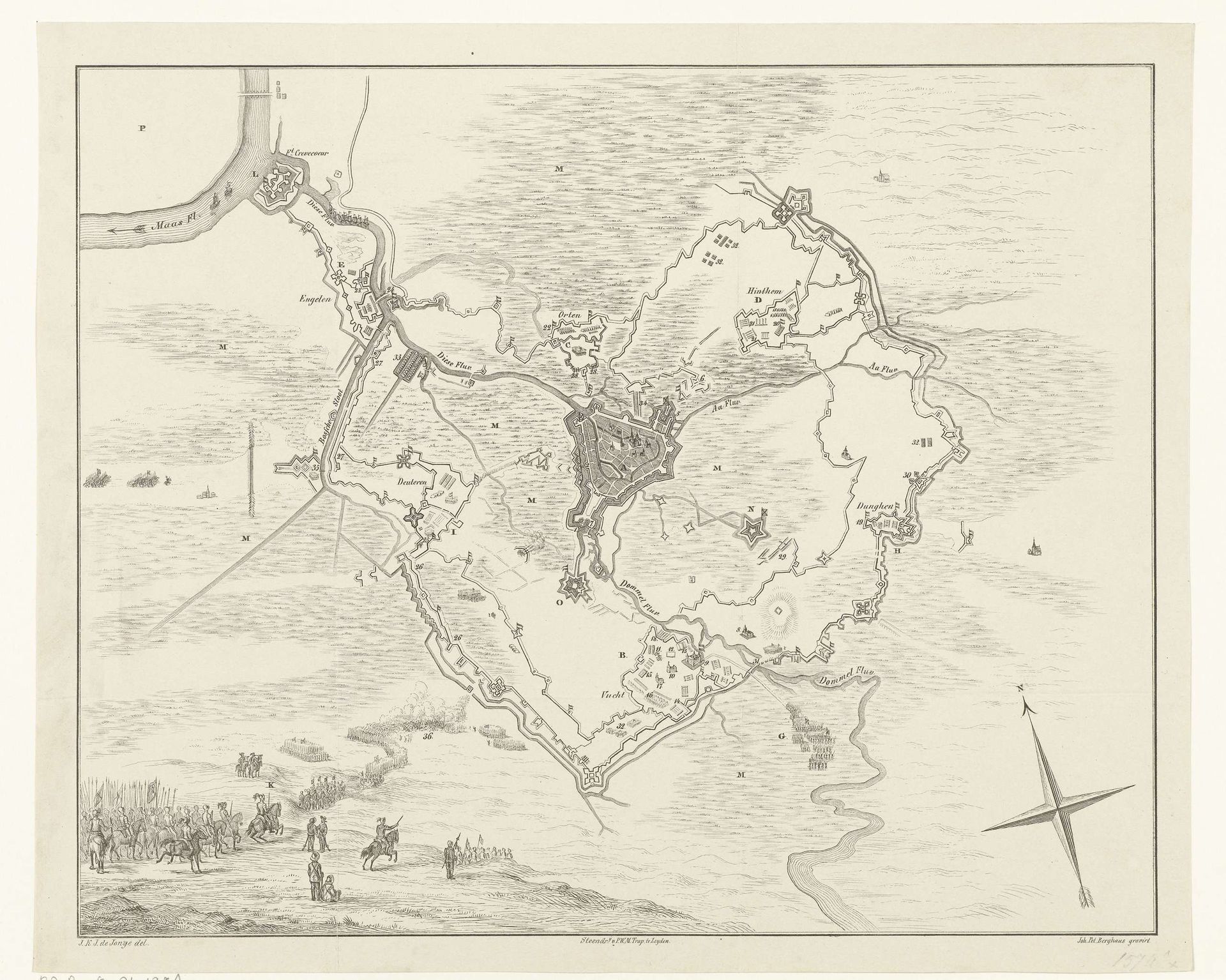
Beleg van Den Bosch, 1629

Johann Peter Berghaus
1810 - 1870Location
RijksmuseumListen to curator's interpretation
Curatorial notes
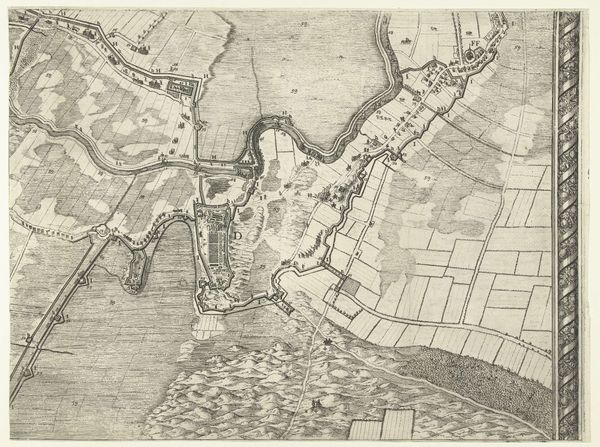
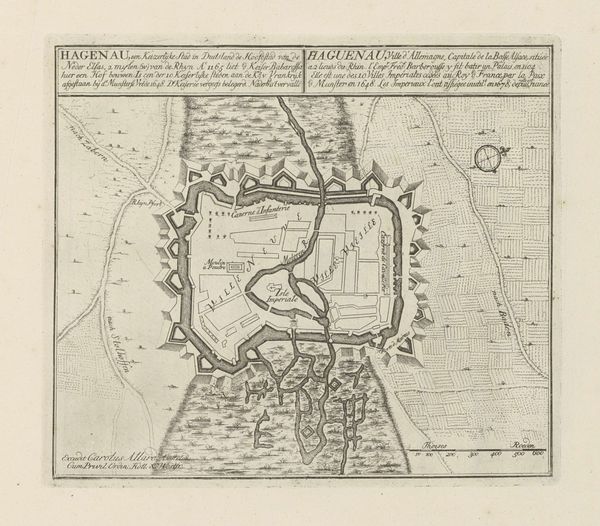
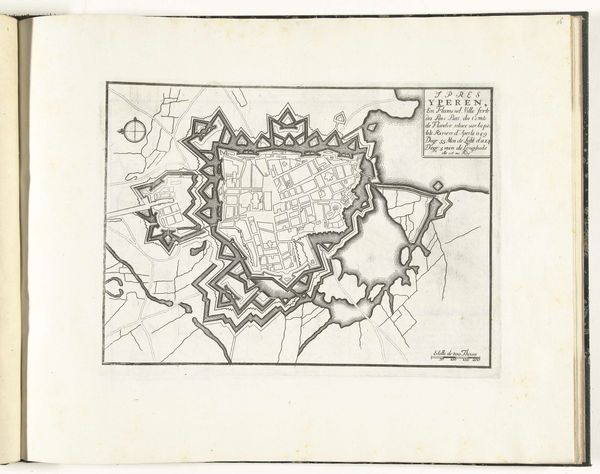
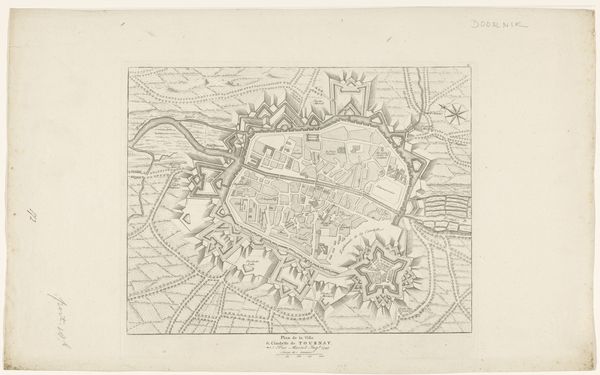
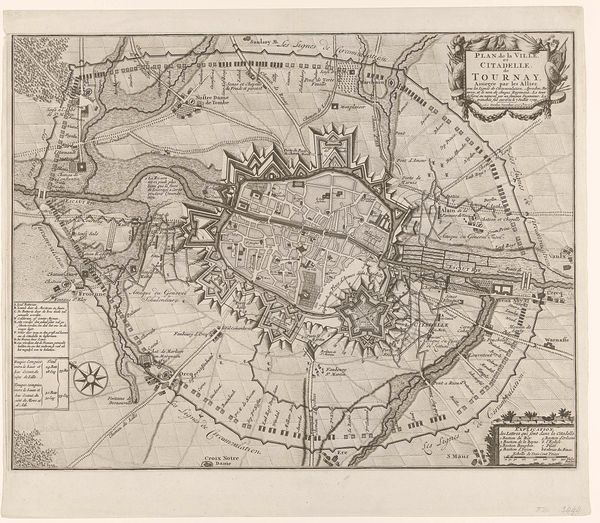
Johann Peter Berghaus created this rendering of the Siege of Den Bosch in 1629. At the time, maps were not merely cartographic tools but potent symbols of power, strategy, and territorial ambition. The compass rose in the corner is more than a directional guide. In art, the compass symbolizes exploration, destiny, and the charting of unknown territories. We see it echoed in the elaborate celestial maps of the Renaissance, guiding not just sailors but also the course of empires and the ambitions of explorers. This compass carries the weight of historical precedent, connecting the earthly act of siege to grander themes of human endeavor and the quest for dominion. Consider, too, the psychological undercurrent of the siege itself: the circle of encirclement evoking feelings of entrapment and the relentless pressure of external forces. This primal fear is etched into our collective memory, resurfacing in myriad forms—from mythical sieges to the anxieties of modern urban life. The symbolic weight is a powerful force, resonating on a subconscious level.