1648
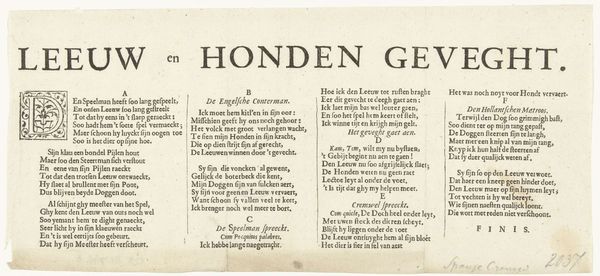
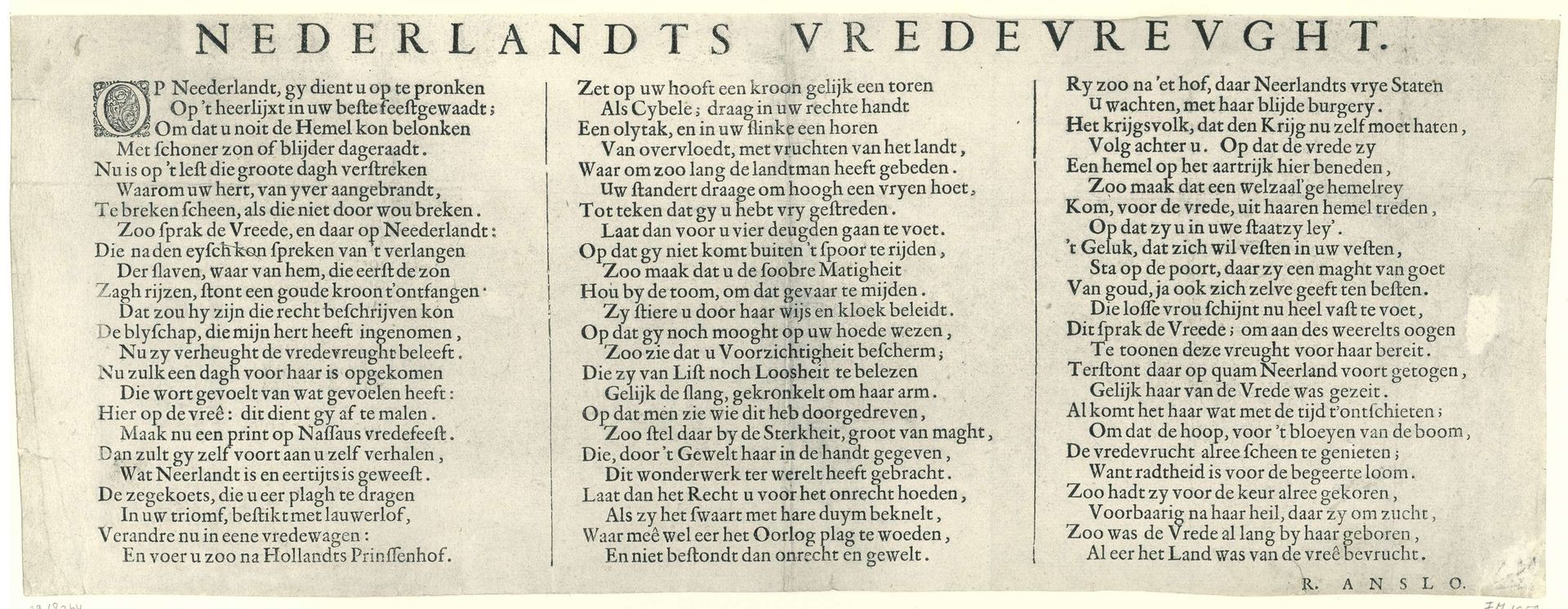
Tekstblad bij de Allegorie op de Vrede van Munster, 1648

Listen to curator's interpretation
Curatorial notes
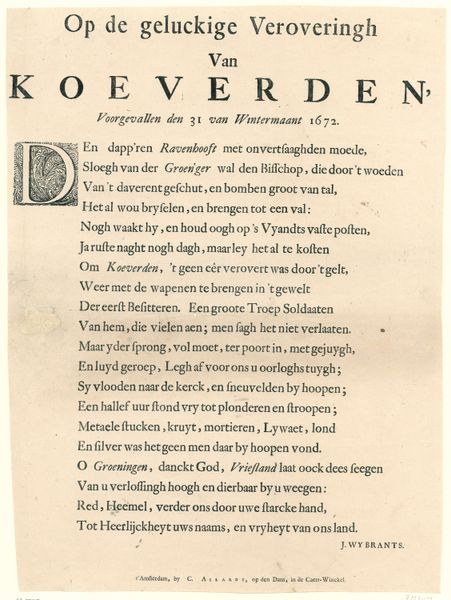
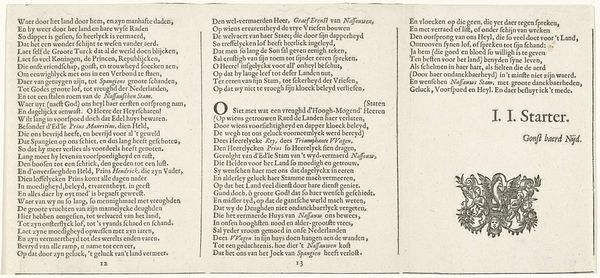
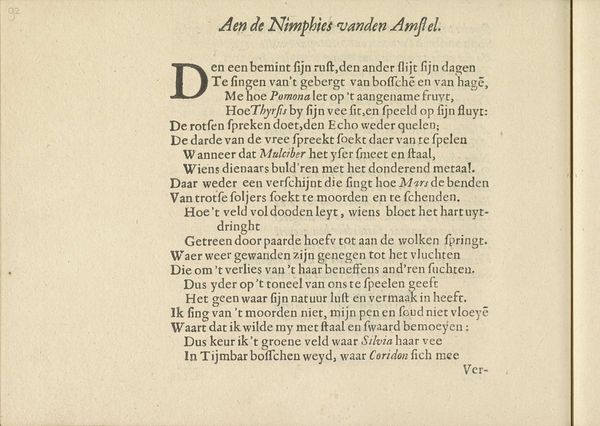
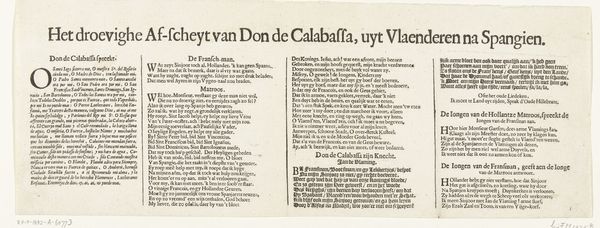
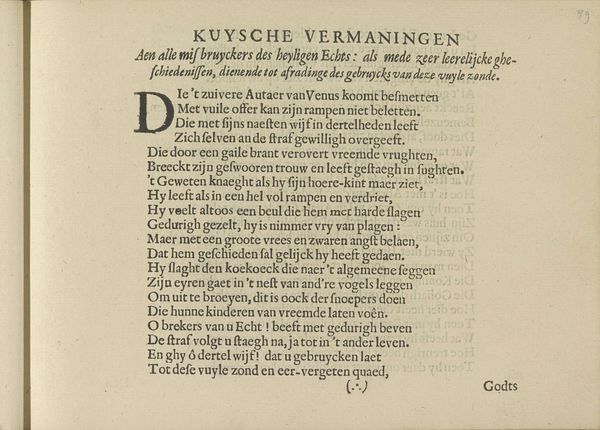
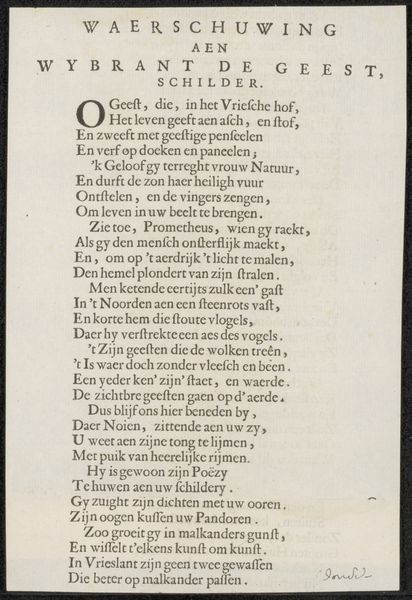
This is "Tekstblad bij de Allegorie op de Vrede van Munster," from 1648, by Reyer Anslo. It's an etching, celebrating the Peace of Münster, a treaty that marked the end of the Eighty Years' War between the Dutch Republic and Spain. In the text, Anslo poetically embodies the Netherlands as a triumphant figure. The poem praises the long-awaited peace and prosperity, positioning the Netherlands as a beacon of freedom and justice. The text draws on classical and religious imagery, likening the nation to Cybele, a goddess of fertility, and invoking a sense of divine favor. The poem suggests a shift from war to peace, a transformation of the 'war wagon' into a 'peace wagon,' symbolizing a transition towards prosperity. The writing develops an alternative narrative of a nation's identity, intertwined with its longing for peace, and its pursuit of justice. The emotional resonance of the poem lies in its vision of hope and renewal.