c. 1920 - 1935
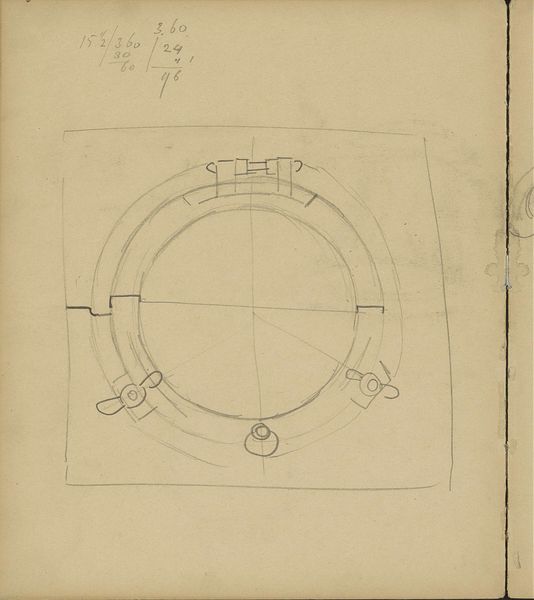
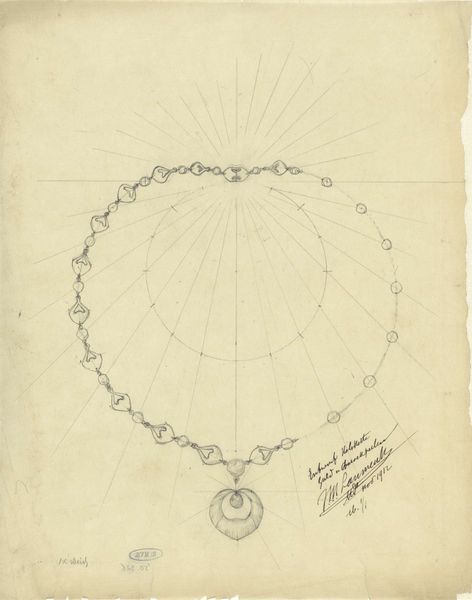
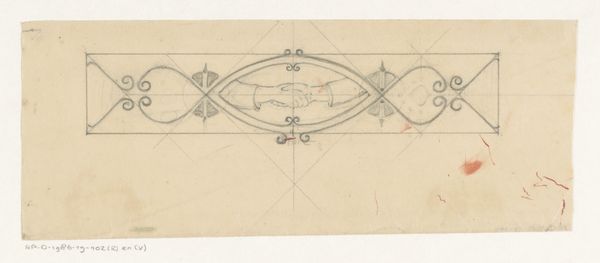
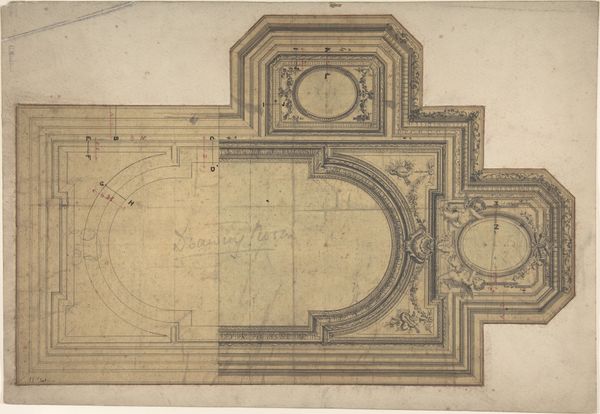
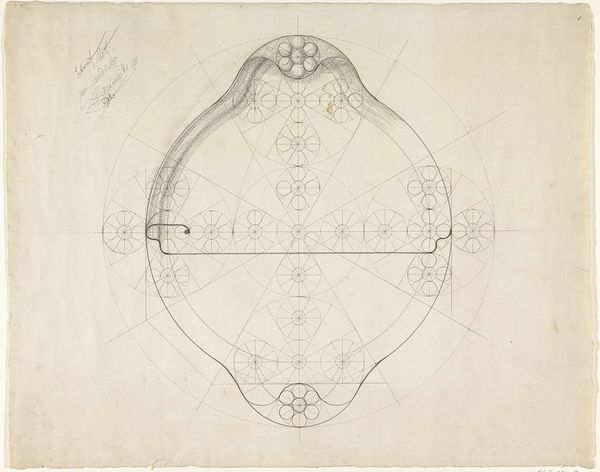
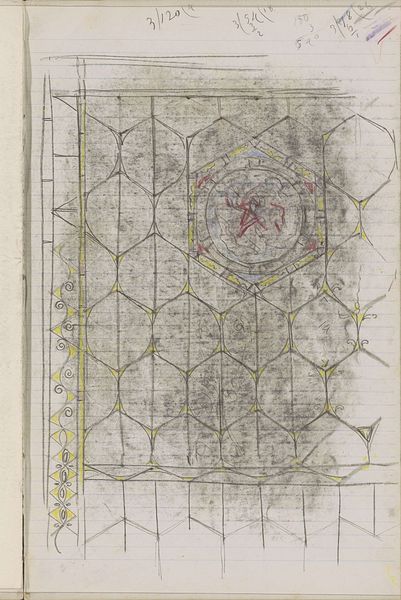
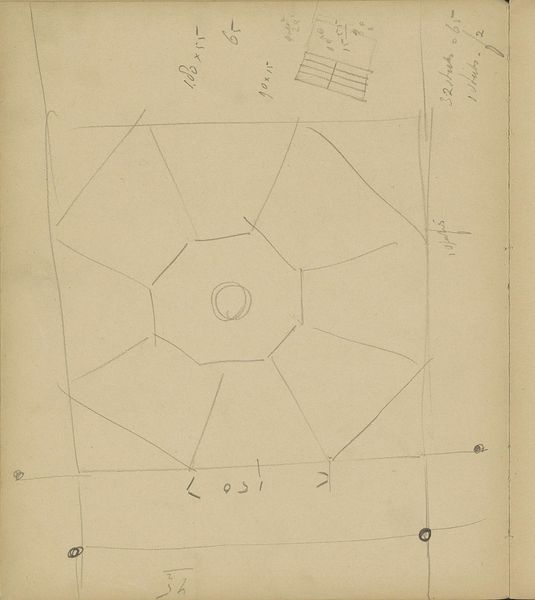
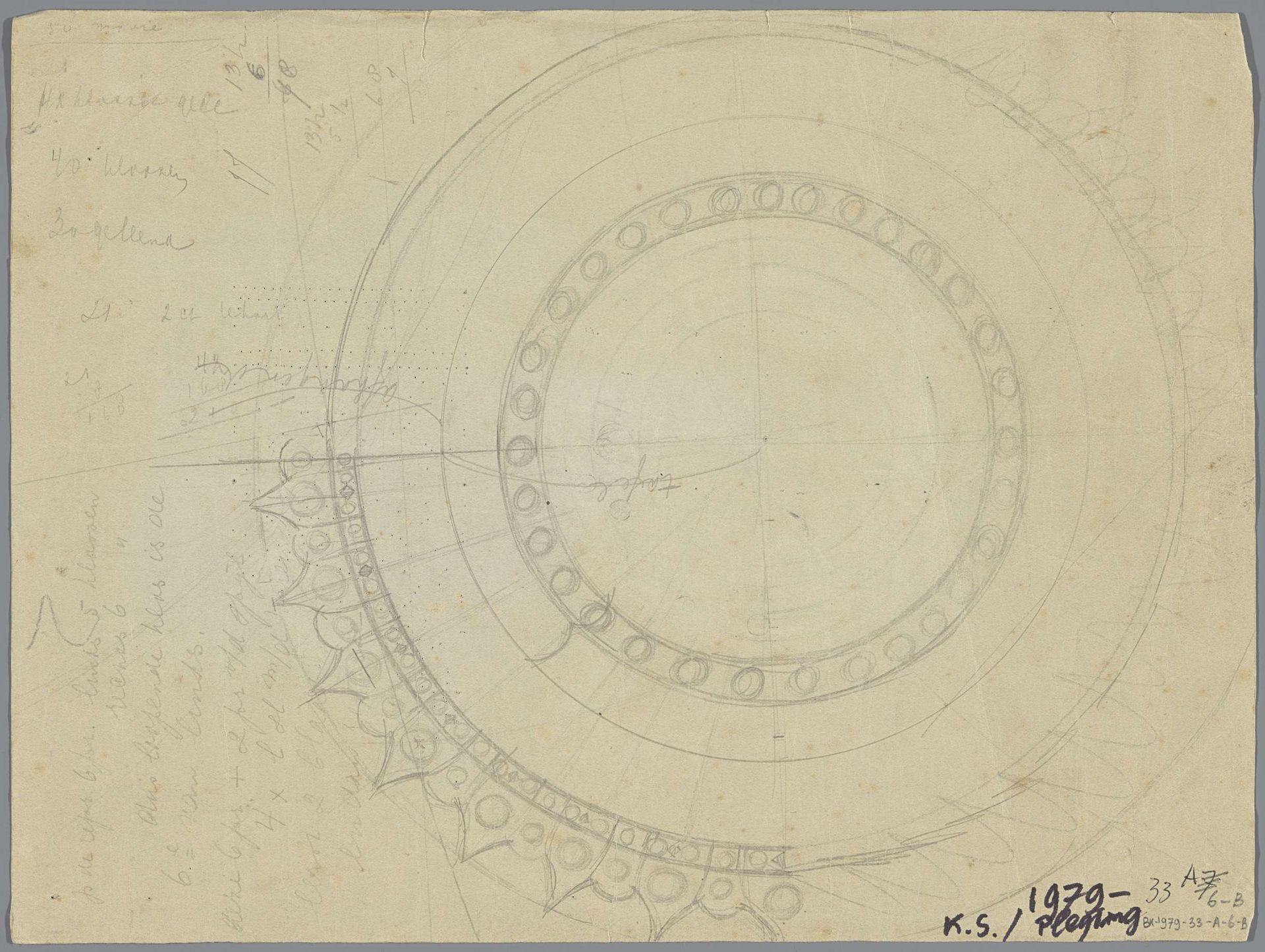
Schets van een kantontwerp van een schulprand voor reticella-techniek in witte en donkerblauwe inkt op grijs karton

Listen to curator's interpretation
Curatorial notes
This is a lace design, sketched on gray cardboard by J.H. Pleging-Faber. The design is rendered in white and dark blue ink, showing a circular pattern for reticella lace, a technique where the fabric ground is removed, and the pattern is built from the remaining threads. It's fascinating to consider the relationship between this drawing and the labor-intensive process it represents. The precision of the sketch anticipates the meticulous handwork required to execute reticella lace, a skill passed down through generations. Lace-making was often a cottage industry, performed by women in their homes. This design embodies both artistic vision and the realities of production. Consider the time and skill involved in creating such intricate work, and the social context in which these skills were valued, or perhaps exploited. It challenges our understanding of the hierarchy between design and craft, conception and execution, and how these intertwine within the broader scope of art history.