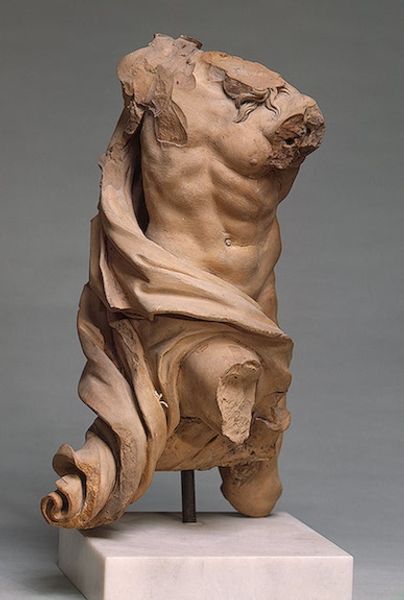
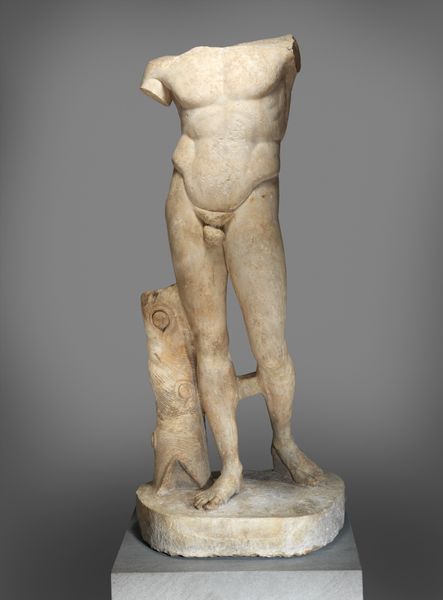
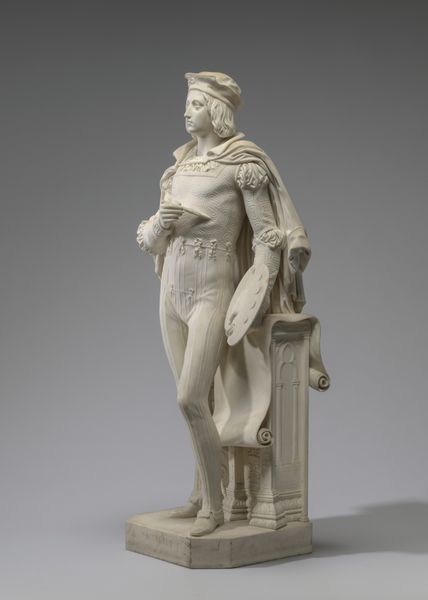
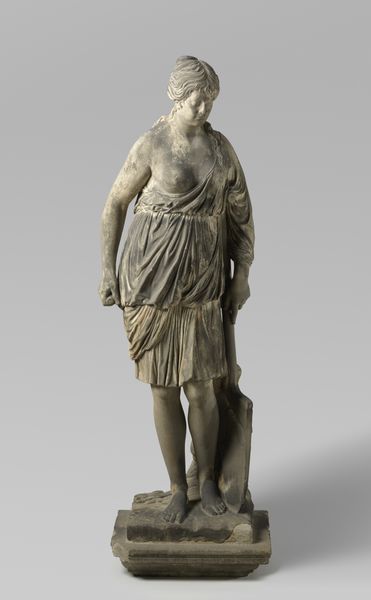
Dimensions: height 250 cm, weight 960 kg, height 97 cm, width 89 cm, depth 89 cm, weight 1152 kg, width 96 cm, depth 96 cm, weight 1095 kg, weight 3347 kg
Copyright: Rijks Museum: Open Domain
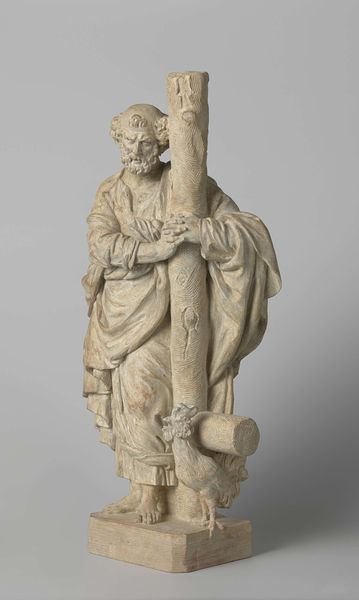
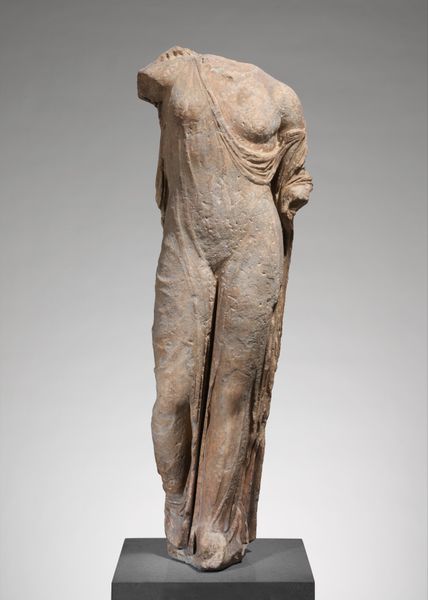
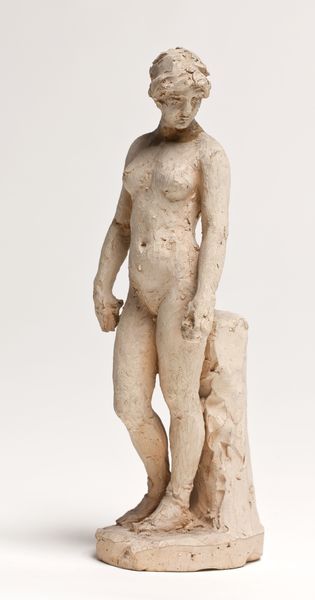
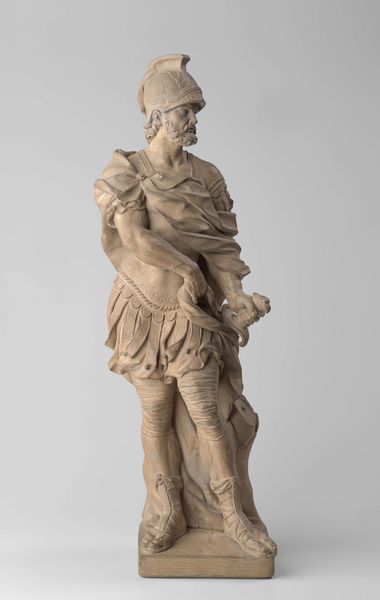
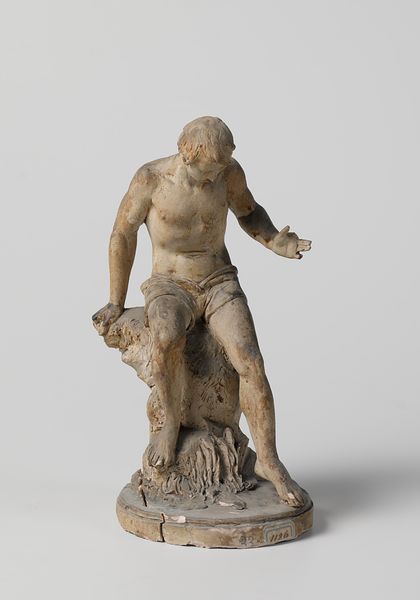
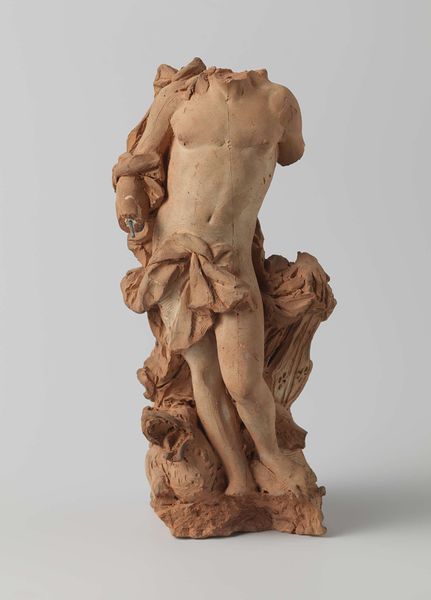
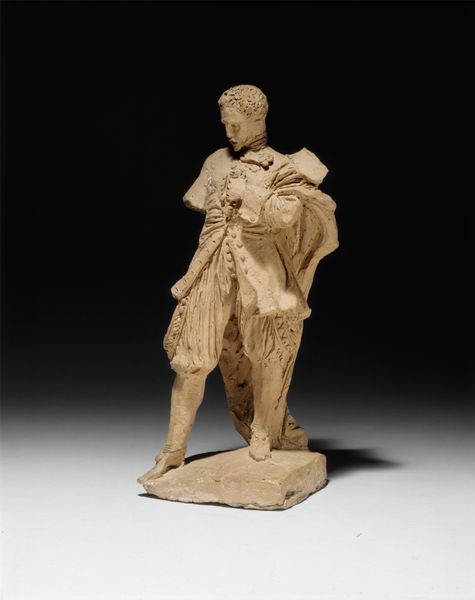
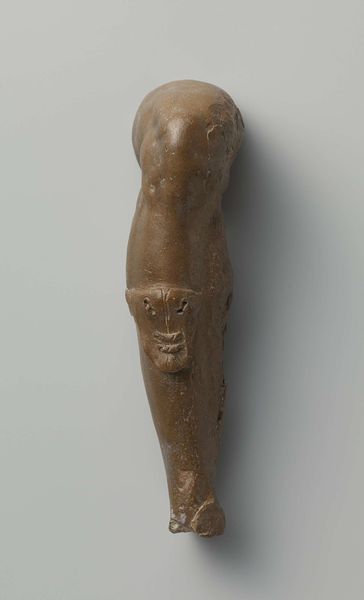
Editor: Here we have Jan Pieter van Baurscheit’s marble sculpture, Hercules with the Broken Column, dating from around 1722 to 1728. What strikes me is the muscularity but also the vulnerability suggested by the broken column. What do you see in this piece? Curator: The broken column is indeed key. It’s not merely a prop, but a potent symbol. What do columns typically represent, and what happens when they're broken? Editor: I guess, strength, stability… and its loss? Curator: Precisely. The broken column, especially during the Neoclassical period, frequently signified loss and mourning – often seen on funerary monuments. And Hercules himself, while physically imposing, experienced profound losses and suffering throughout his mythology. Do you notice any other details that might support this reading? Editor: Well, he seems to be looking away, almost as if in shame or reflection? Curator: Indeed, and his stance is not one of triumph, but rather contemplation. The sculpture taps into the duality of Hercules, the hero and the mortal man burdened by fate and personal tragedy. We are drawn into his inner emotional landscape, a powerful tension. What’s your perspective now? Editor: It’s changed entirely! I hadn't considered the emotional weight tied to these visual symbols. It really reframes the sculpture from a simple depiction of strength to something much deeper and melancholic. Curator: The beauty of art lies in its capacity to carry layers of meaning across centuries.
Comments

rijksmuseum over 2 years ago
⋮
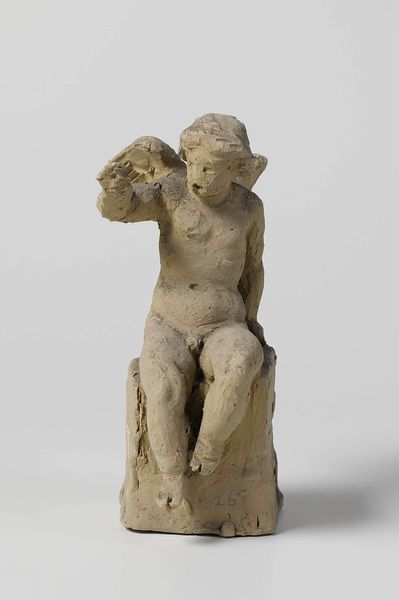
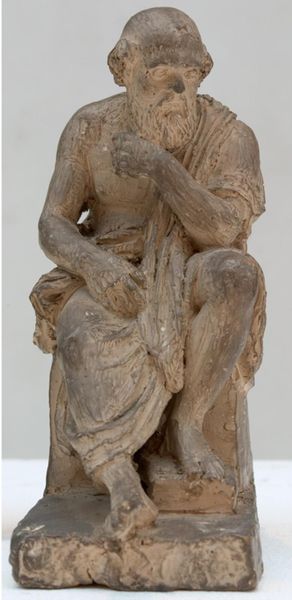
This is one of a group of four statues, all of which are in this garden. The statues originally stood in the garden of Bosch en Hoven, a country estate near Haarlem. They were made by Jan Pieter Baurscheit the Elder, an Antwerp sculptor and architect often engaged by patrons in the Dutch Republic.


Join the conversation
Join millions of artists and users on Artera today and experience the ultimate creative platform.
 Collect
More like this