About this artwork
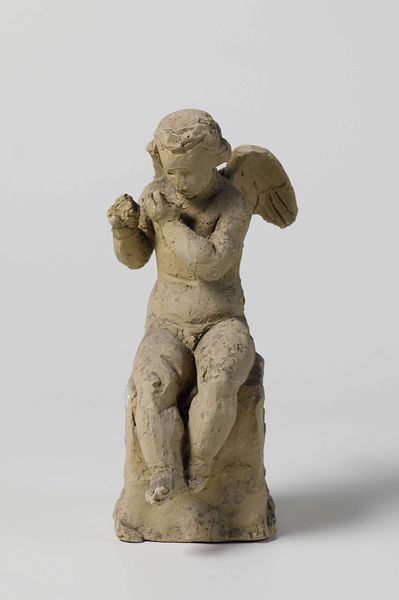
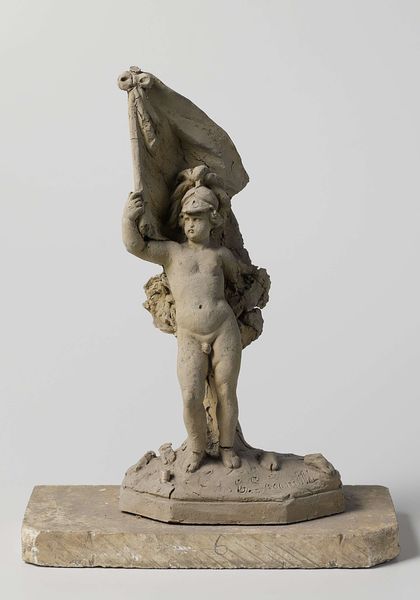
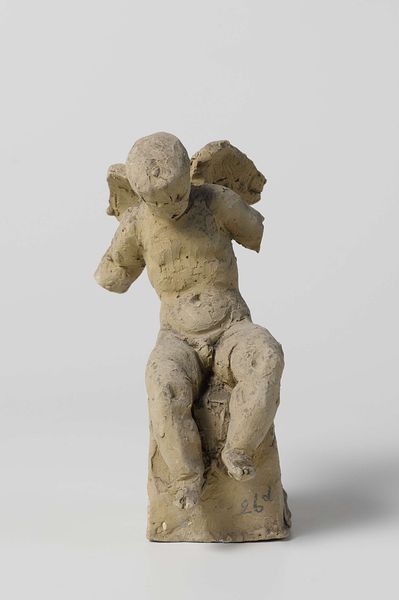
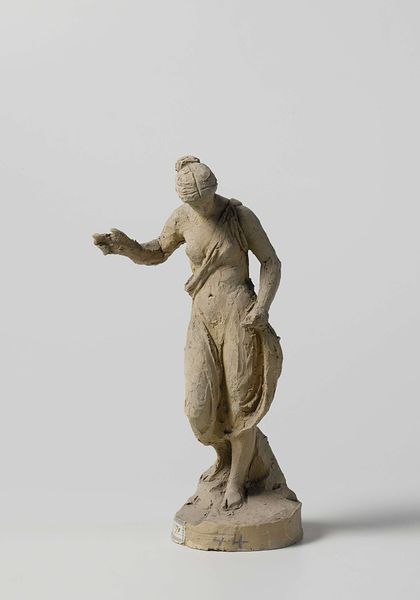
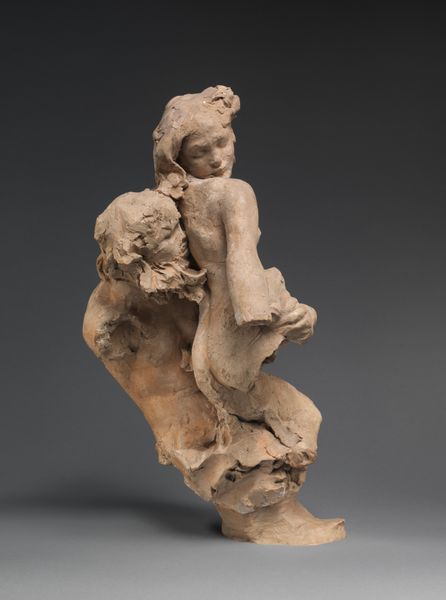
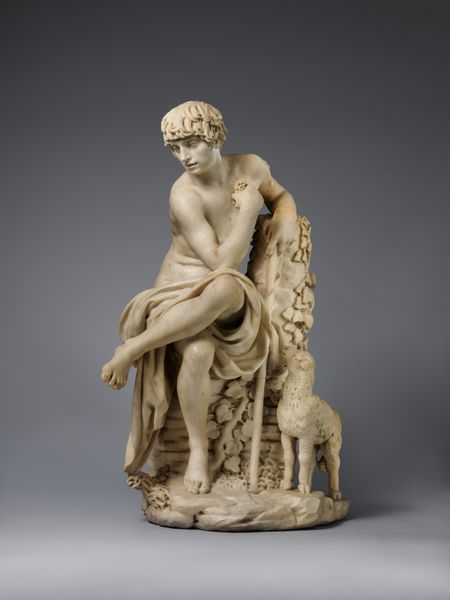
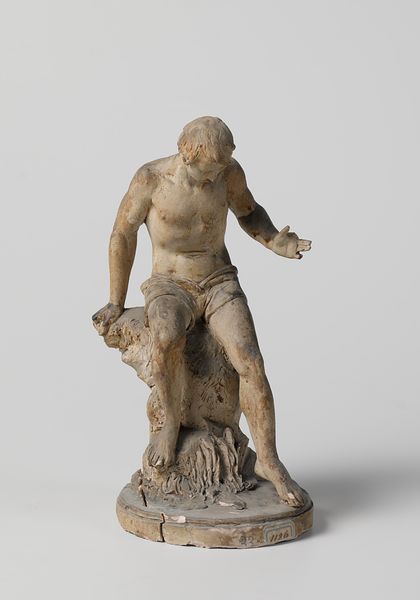
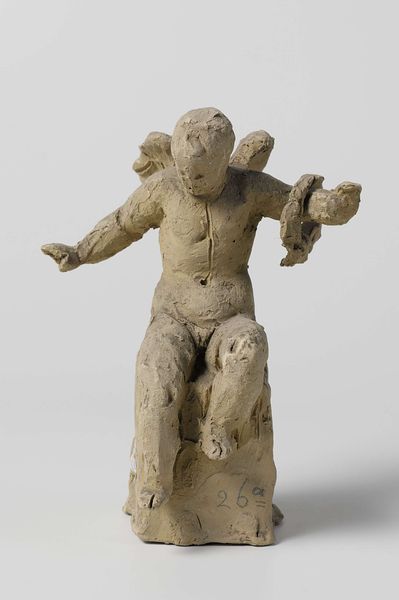
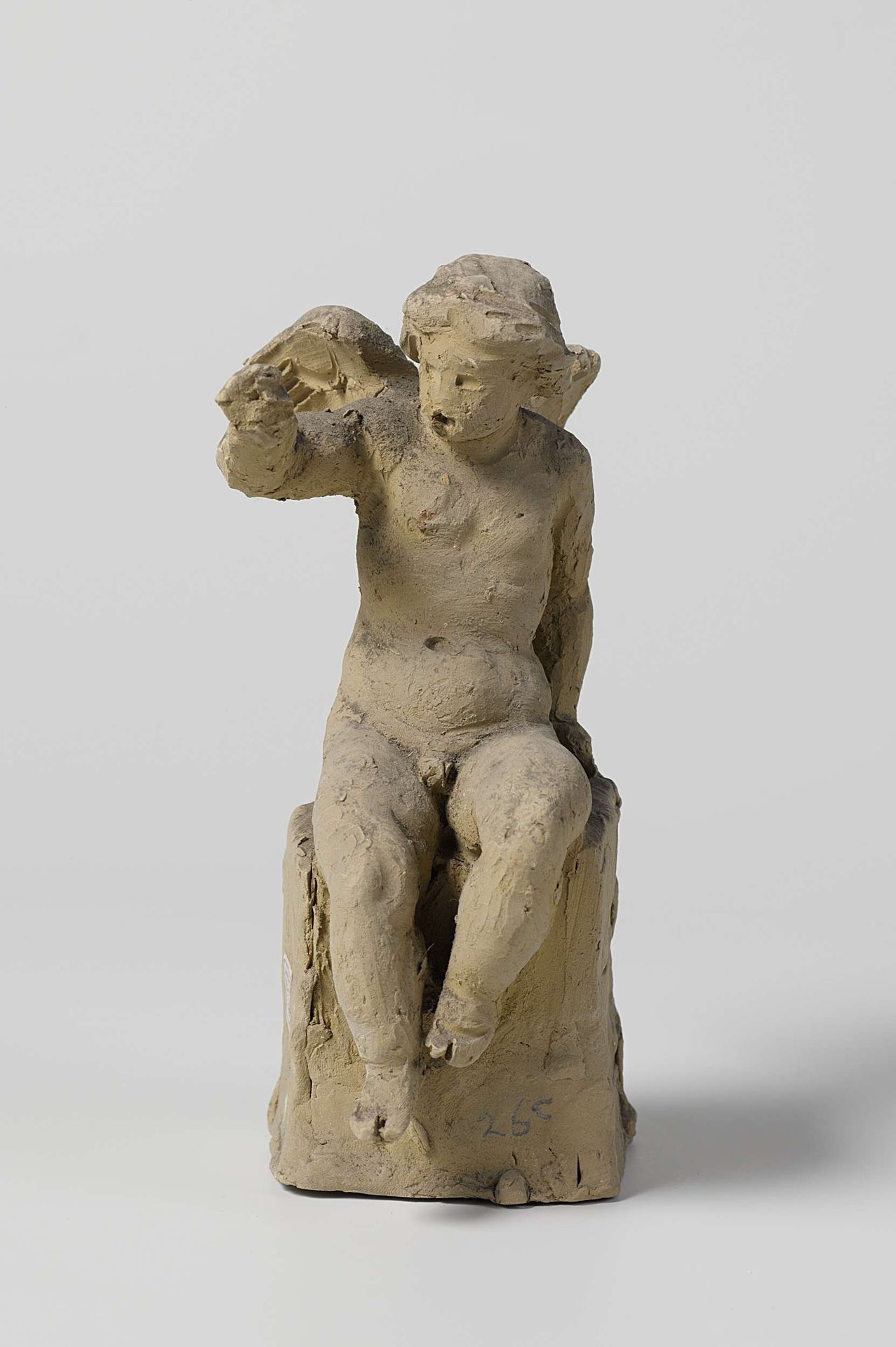
Here we see a small sculpture of a winged putto, made in the 19th century by the Belgian artist Eugène Lacomblé. Lacomblé lived during a time when Europe was rapidly changing through industrialization, urbanization, and political upheaval, all of which influenced his artistic practice. This small sculpture reflects the 19th-century fascination with classical forms and the idealization of the human body. However, the work invites us to consider how the representation of the male nude intersects with notions of innocence, vulnerability, and desire. How do the implications change when we consider childhood? What are the implications of its display? Rather than presenting a traditional narrative, this winged figure embodies an ambiguous and complex set of emotions, inviting a dialogue between the viewer and the artwork that transcends time and culture.

Artwork details
- Medium
- bronze, sculpture
- Dimensions
- height 19 cm, width 8.5 cm, depth 11 cm
- Copyright
- Rijks Museum: Open Domain
Tags
portrait
neoclacissism
sculpture
bronze
figuration
sculpture
Comments
No comments
About this artwork
Here we see a small sculpture of a winged putto, made in the 19th century by the Belgian artist Eugène Lacomblé. Lacomblé lived during a time when Europe was rapidly changing through industrialization, urbanization, and political upheaval, all of which influenced his artistic practice. This small sculpture reflects the 19th-century fascination with classical forms and the idealization of the human body. However, the work invites us to consider how the representation of the male nude intersects with notions of innocence, vulnerability, and desire. How do the implications change when we consider childhood? What are the implications of its display? Rather than presenting a traditional narrative, this winged figure embodies an ambiguous and complex set of emotions, inviting a dialogue between the viewer and the artwork that transcends time and culture.
Comments
No comments