About this artwork
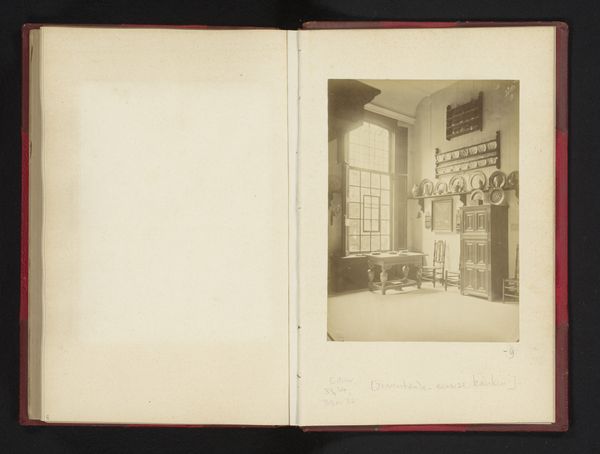
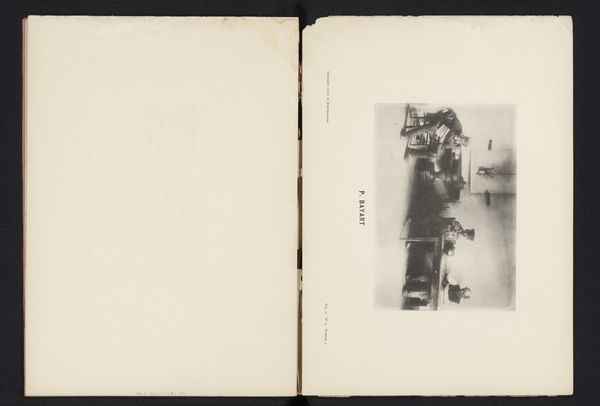
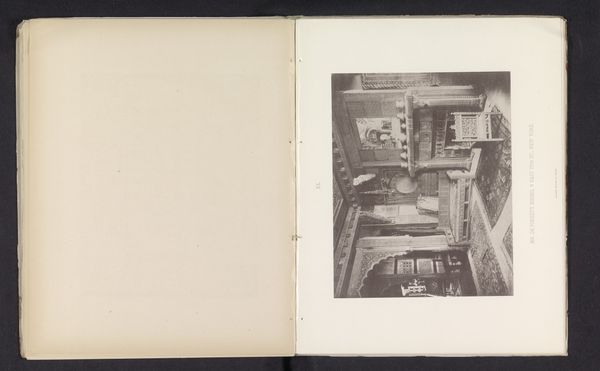
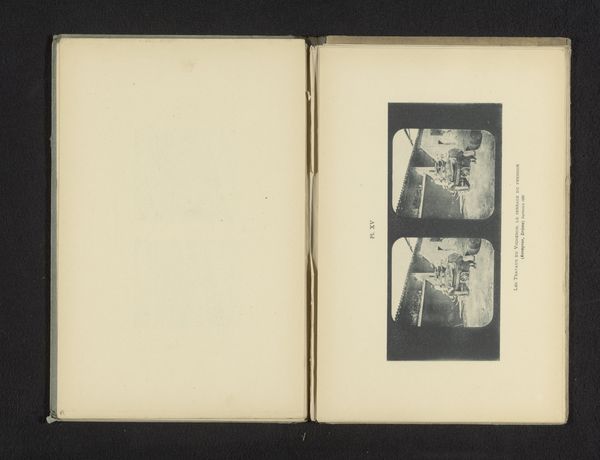
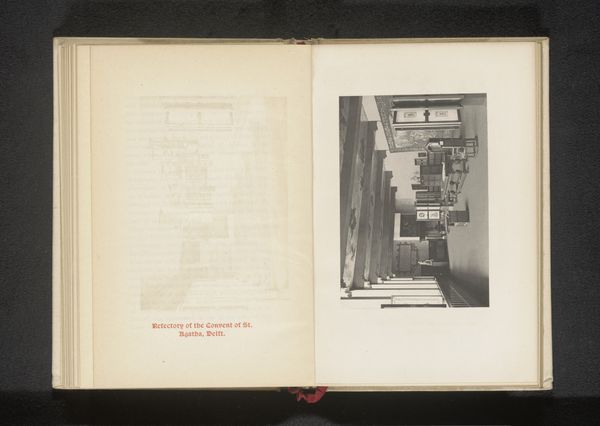
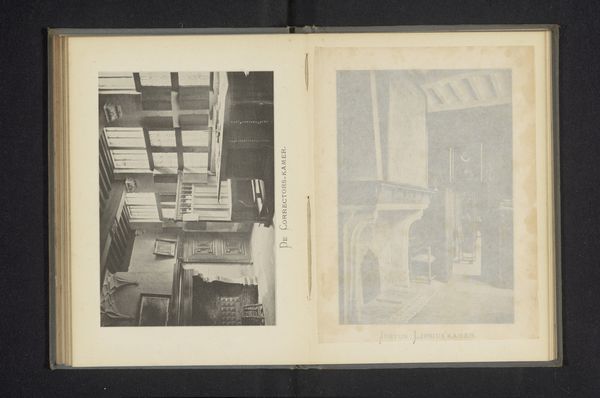
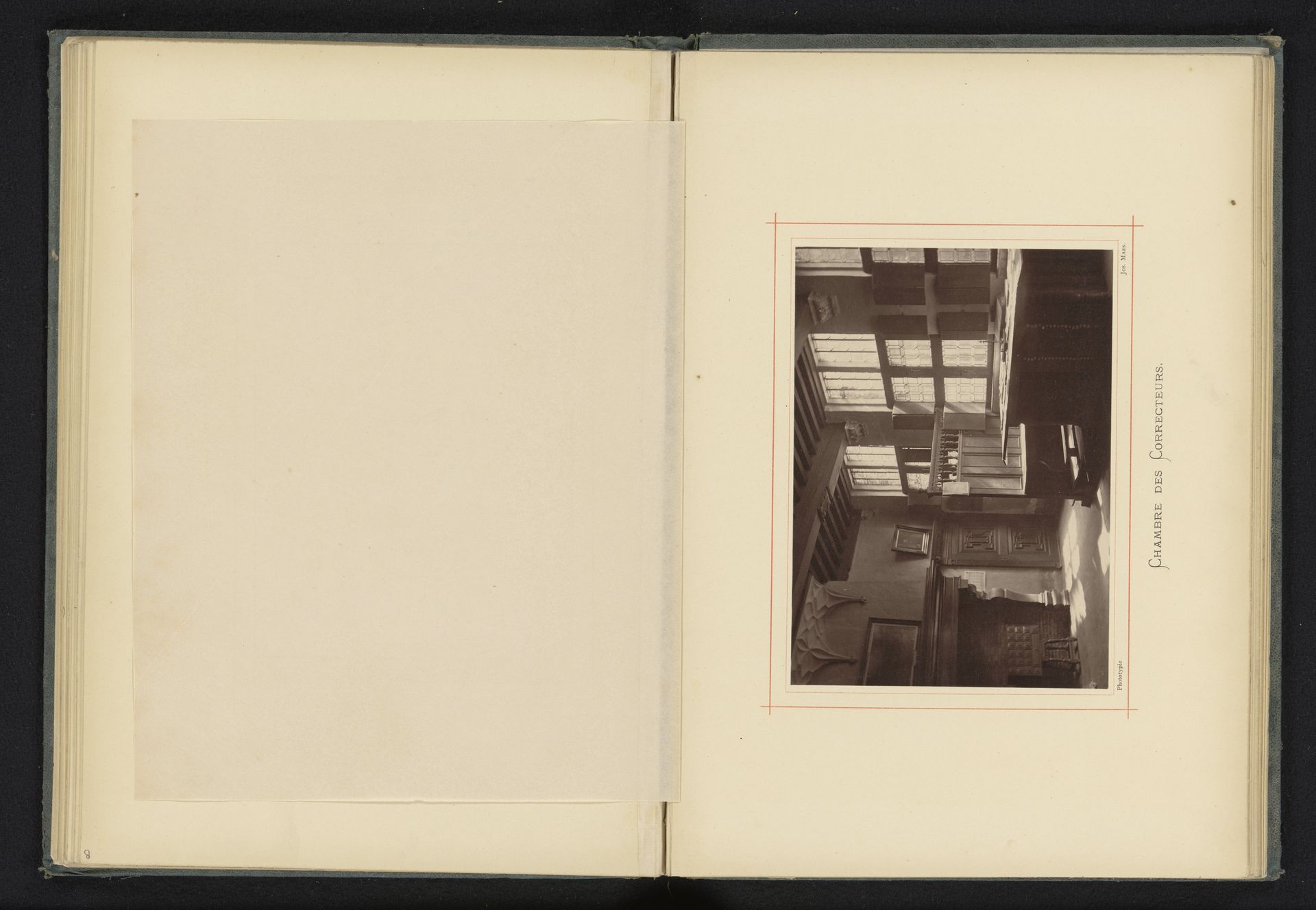
This image, captured by Joseph Maes, reveals the interior of the proofreaders' room in the house of Christoffel Plantijn. The architecture of the room is dominated by strong horizontal and vertical lines, and by the light and shadow it creates. These stark lines resonate with a longer history, a motif that reappears across time, even reaching back to the architecture depicted in ancient Egyptian art. The emphasis on clarity and order speaks to a human desire to control and organize the world. The grid-like structure of the room with its windows evokes feelings of control and precision, hinting at the meticulous work that Plantijn and his proofreaders undertook. The act of reading and correcting, framed within such rigid geometry, emphasizes the intersection of human intellect and the constructed environment. This space encapsulates a deep psychological need for structure, reflecting how we seek to impose order on chaos. This same desire is evident in the motifs of art history, highlighting our persistent drive to frame and understand our world.
Interieur van de correctors kamer het huis van Christoffel Plantijn
before 1878

Artwork details
- Medium
- print, photography, gelatin-silver-print
- Dimensions
- height 118 mm, width 164 mm
- Copyright
- Rijks Museum: Open Domain
Tags
Comments
Share your thoughts
About this artwork
This image, captured by Joseph Maes, reveals the interior of the proofreaders' room in the house of Christoffel Plantijn. The architecture of the room is dominated by strong horizontal and vertical lines, and by the light and shadow it creates. These stark lines resonate with a longer history, a motif that reappears across time, even reaching back to the architecture depicted in ancient Egyptian art. The emphasis on clarity and order speaks to a human desire to control and organize the world. The grid-like structure of the room with its windows evokes feelings of control and precision, hinting at the meticulous work that Plantijn and his proofreaders undertook. The act of reading and correcting, framed within such rigid geometry, emphasizes the intersection of human intellect and the constructed environment. This space encapsulates a deep psychological need for structure, reflecting how we seek to impose order on chaos. This same desire is evident in the motifs of art history, highlighting our persistent drive to frame and understand our world.
Comments
Share your thoughts