About this artwork
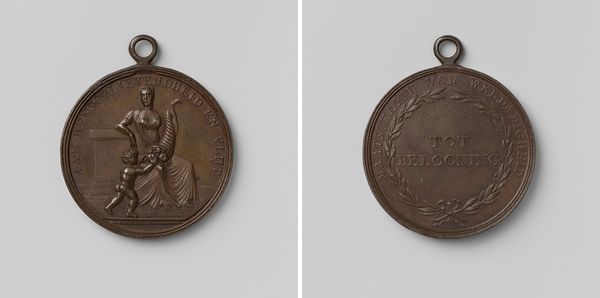
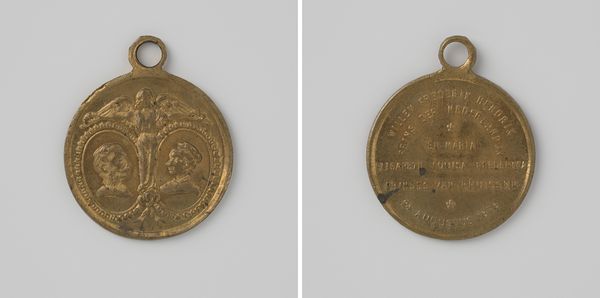
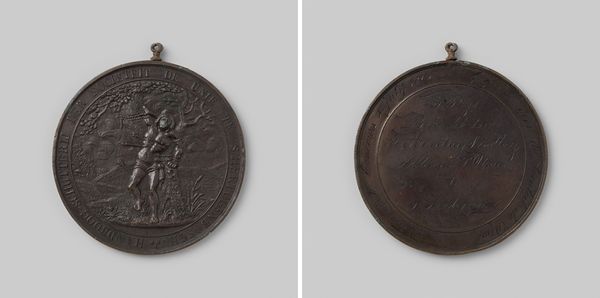
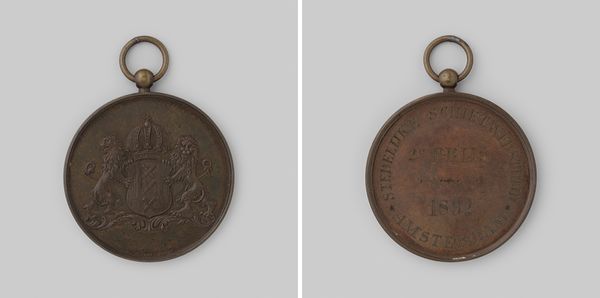
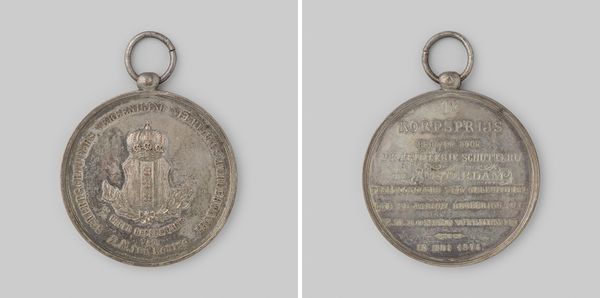
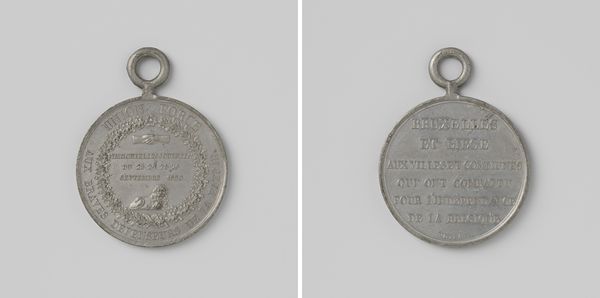
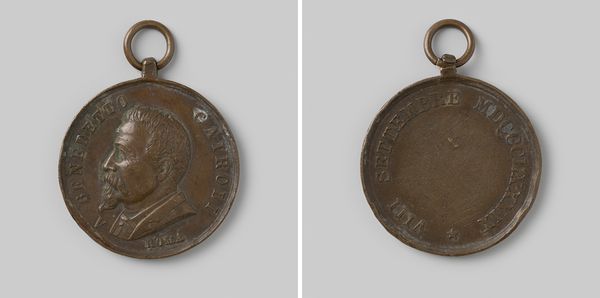
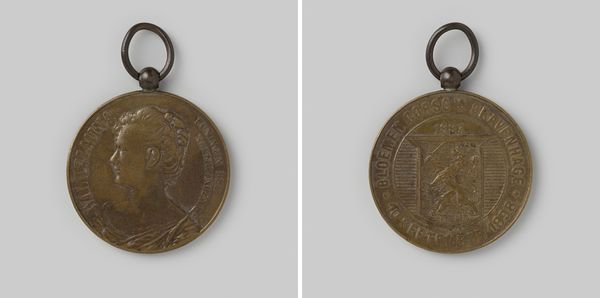
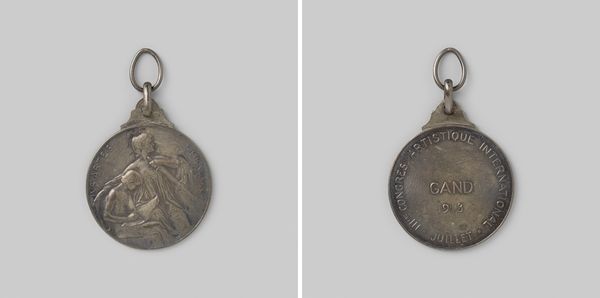
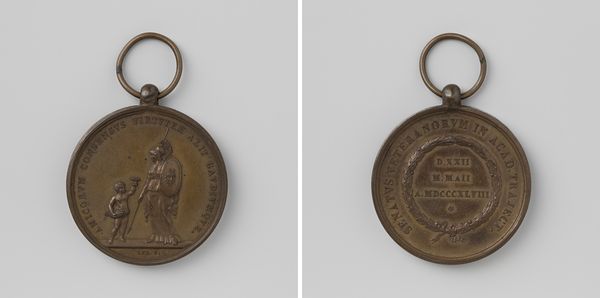
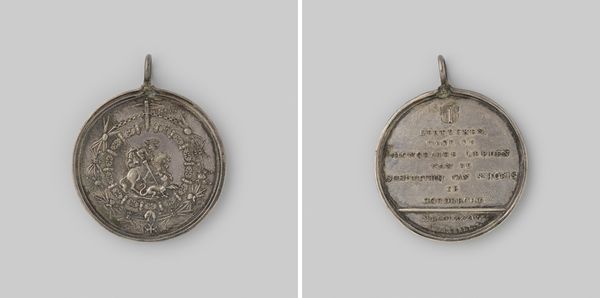
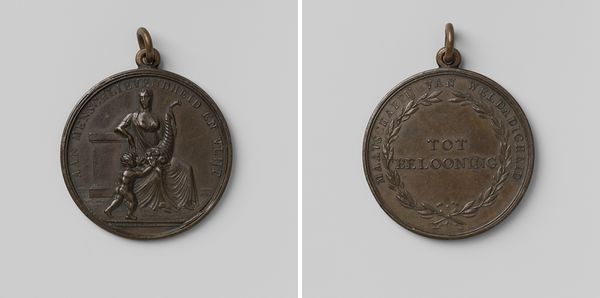
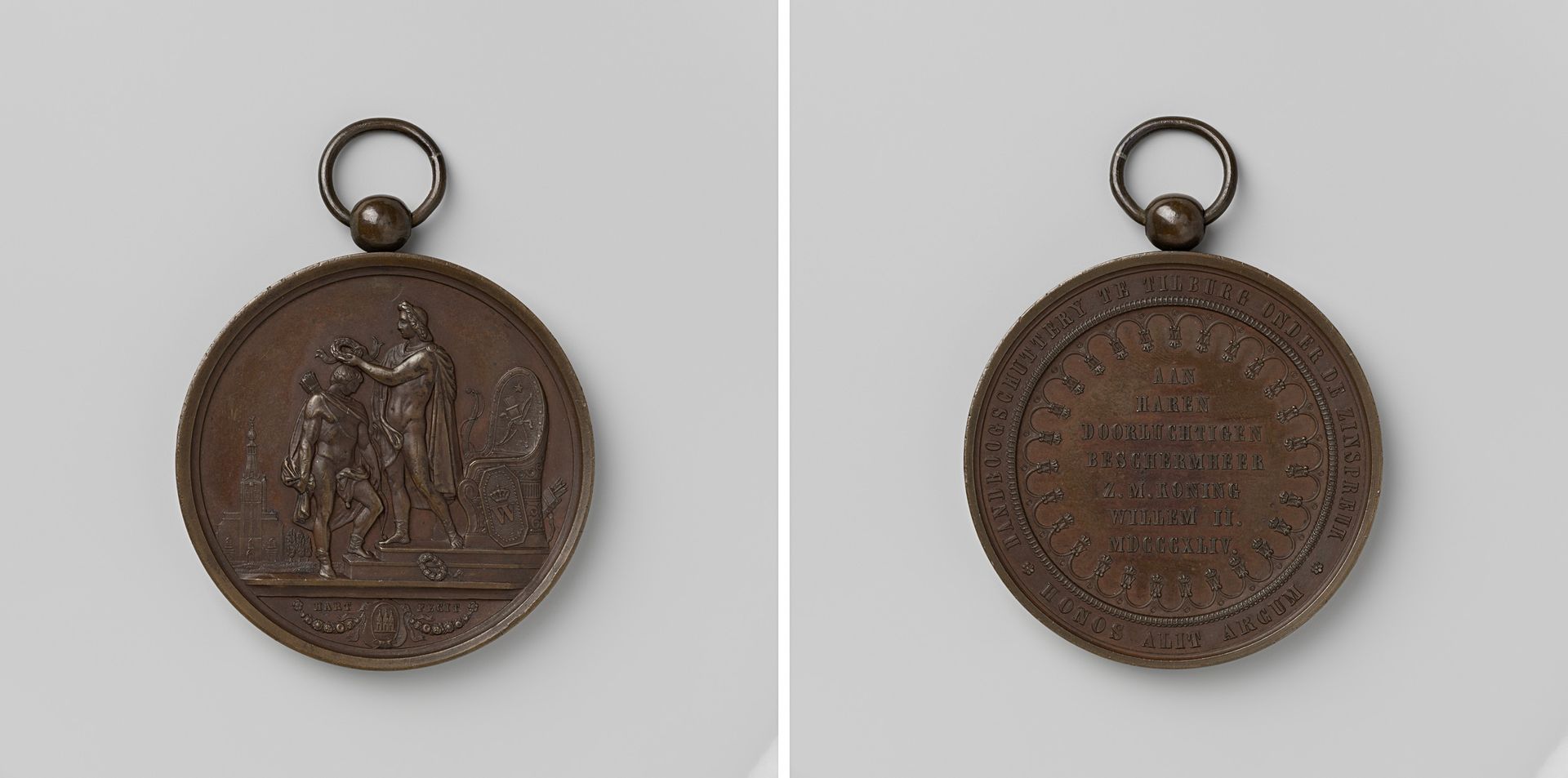
This bronze medal was crafted by Laurent Joseph Hart to honor King Willem II of the Netherlands as patron of the Handboogschutterij "Honos alit arcum" in Tilburg. The dominant image is the act of crowning. A regal figure places a laurel wreath upon the head of a kneeling man. This gesture, steeped in ancient symbolism, speaks of honor and recognition, echoing the laurel-crowned victors of antiquity. We might recall Roman emperors depicted on coins, eternally adorned with laurel, emblems of triumph and divine favor. However, this motif has undergone a fascinating transformation. From symbols of military and political victory, the wreath here is more suggestive of cultural or civic acknowledgement, revealing how symbols adapt and are re-contextualized across time. This act resonates on a deep, almost subconscious level, evoking our primal desires for acceptance and success. The crowning stimulates a sense of accomplishment and admiration.
Handboogschutterij "Honos alit arcum" te Tilburg, penning geschonken aan de beschermheer Willem II, koning der Nederlanden
1844

Laurent Joseph Hart
1810 - 1860Location
RijksmuseumArtwork details
- Medium
- relief, bronze
- Dimensions
- height 6.6 cm, diameter 5.8 cm, weight 101.81 gr
- Location
- Rijksmuseum
- Copyright
- Rijks Museum: Open Domain
Tags
Comments
Share your thoughts
About this artwork
This bronze medal was crafted by Laurent Joseph Hart to honor King Willem II of the Netherlands as patron of the Handboogschutterij "Honos alit arcum" in Tilburg. The dominant image is the act of crowning. A regal figure places a laurel wreath upon the head of a kneeling man. This gesture, steeped in ancient symbolism, speaks of honor and recognition, echoing the laurel-crowned victors of antiquity. We might recall Roman emperors depicted on coins, eternally adorned with laurel, emblems of triumph and divine favor. However, this motif has undergone a fascinating transformation. From symbols of military and political victory, the wreath here is more suggestive of cultural or civic acknowledgement, revealing how symbols adapt and are re-contextualized across time. This act resonates on a deep, almost subconscious level, evoking our primal desires for acceptance and success. The crowning stimulates a sense of accomplishment and admiration.
Comments
Share your thoughts