1748
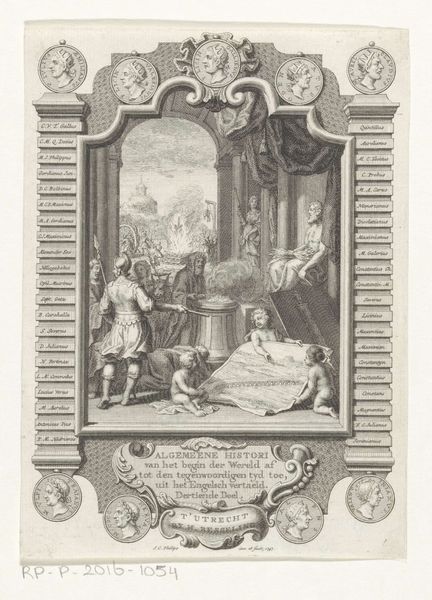
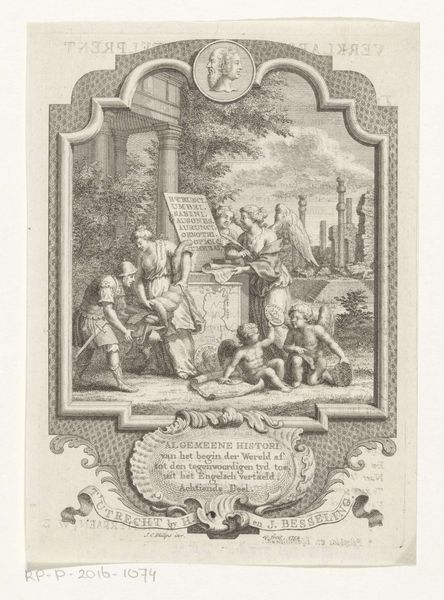
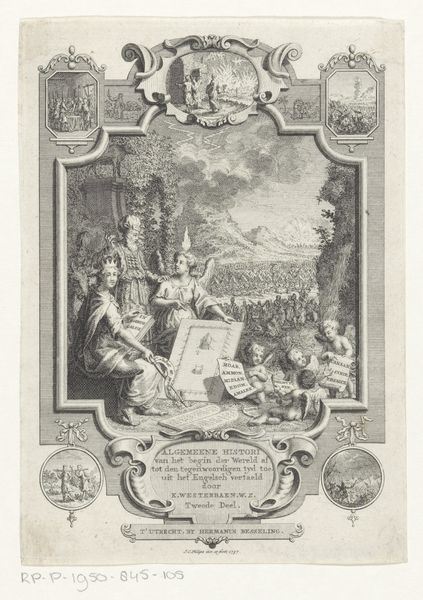
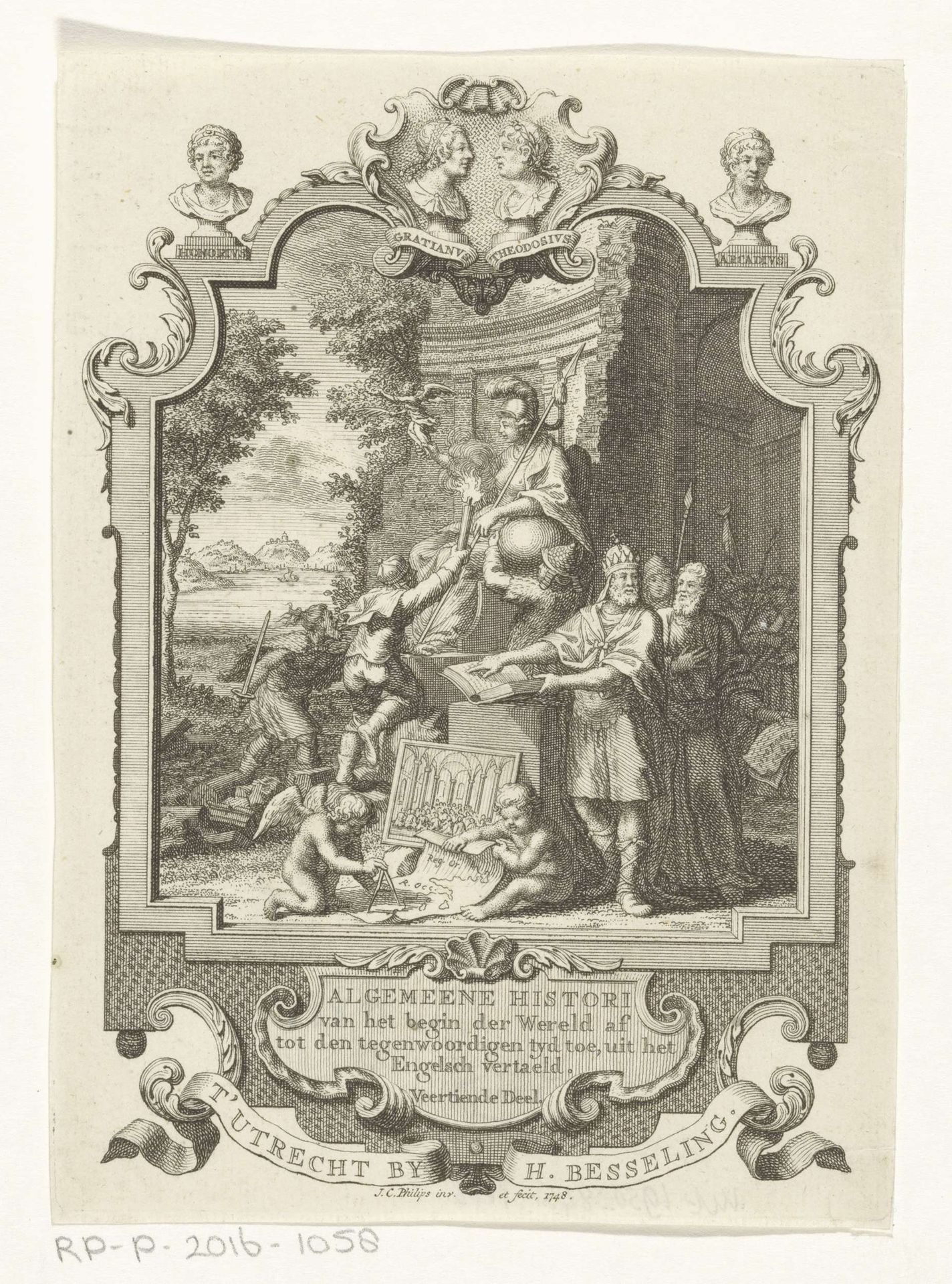
Cartouche met allegorie op het einde van het Romeinse Rijk

Jan Caspar Philips
1700 - 1775Location
RijksmuseumListen to curator's interpretation
Curatorial notes
This engraving, made by Jan Caspar Philips around the mid-18th century, allegorizes the end of the Roman Empire, and it's full of commentary on the social structures of its time. Philips, working in the Dutch Republic, uses visual codes to create meaning. The crumbling architecture and chaotic scenes signify decay and disorder, a critique of the empire's decline. The inclusion of figures representing virtues and emperors invites reflection on leadership and governance. Made during the Enlightenment, a period of questioning traditional authority, the print resonates with contemporary concerns about political power and social order. To understand this image better, we can delve into the history of the Dutch Republic. Researching the political and economic conditions of 18th-century Netherlands would provide insight into the context in which Philips created his critique. Further, analyzing the representation of power and virtue in contemporary prints could reveal the artist’s own position within ongoing debates about the public role of art.