1742
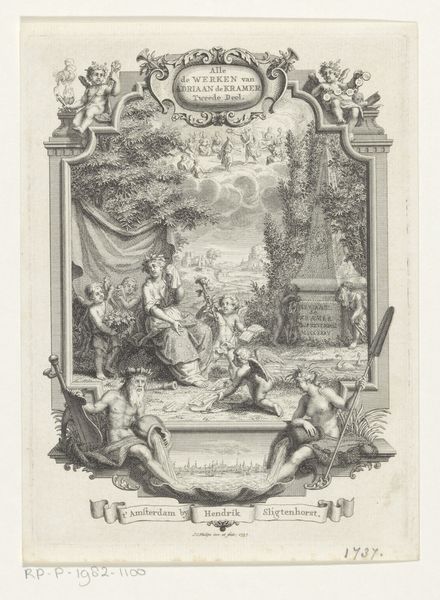
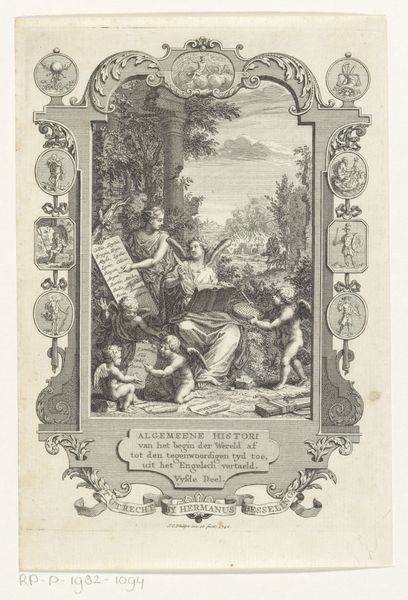
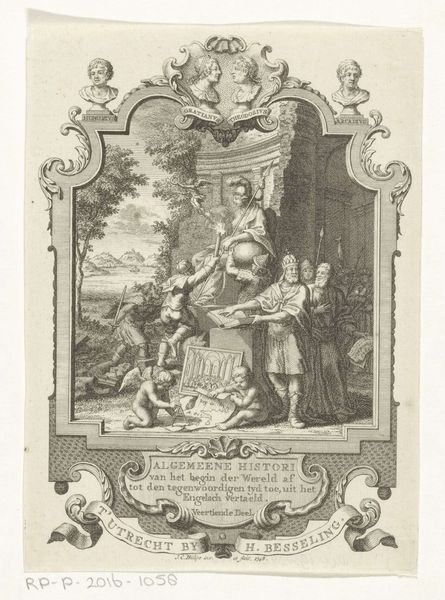
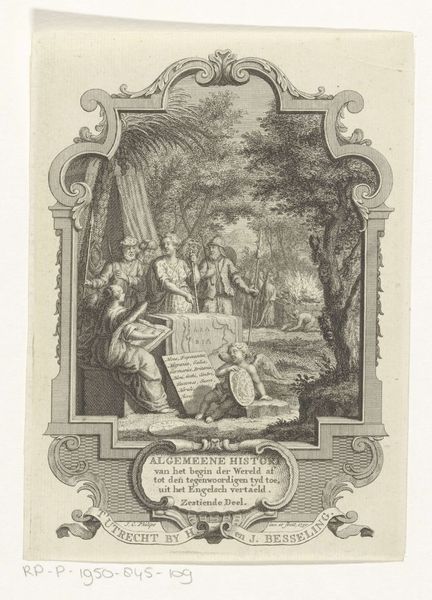
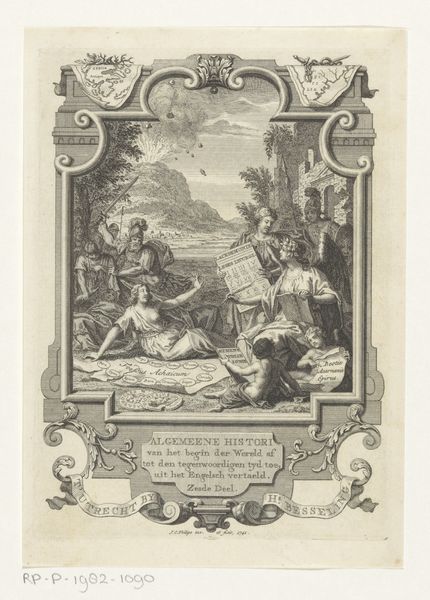
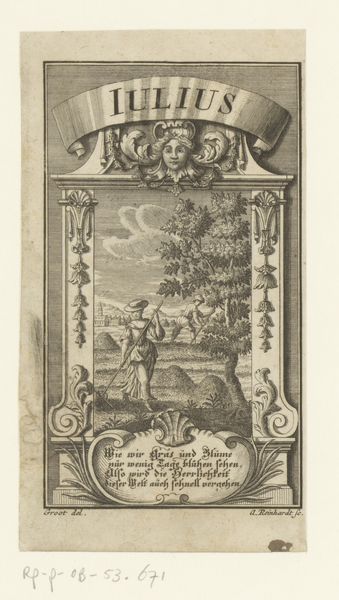
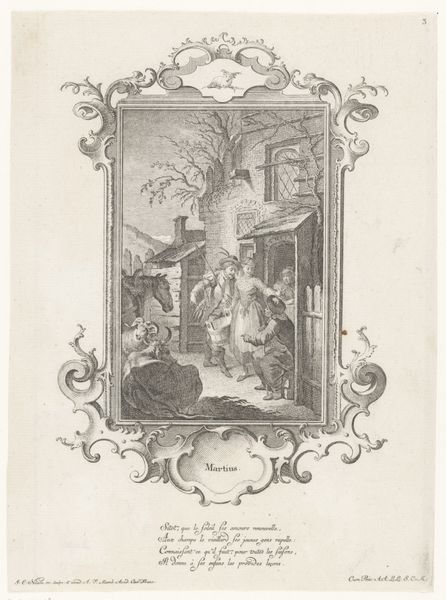
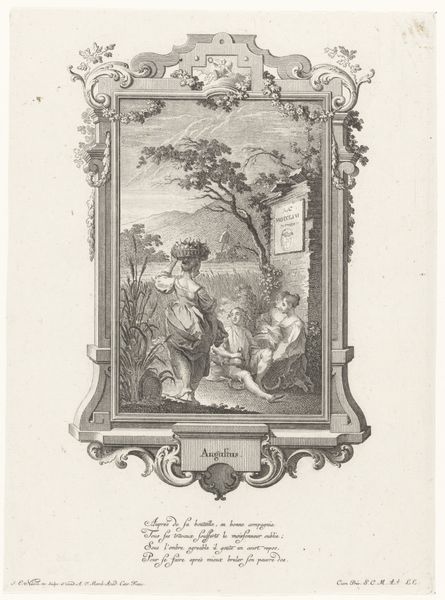
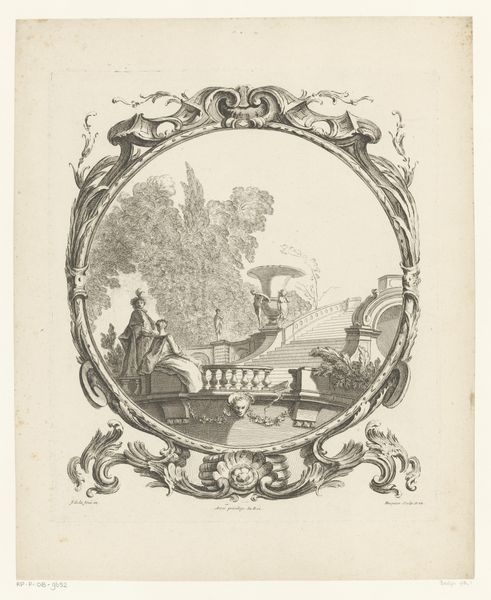
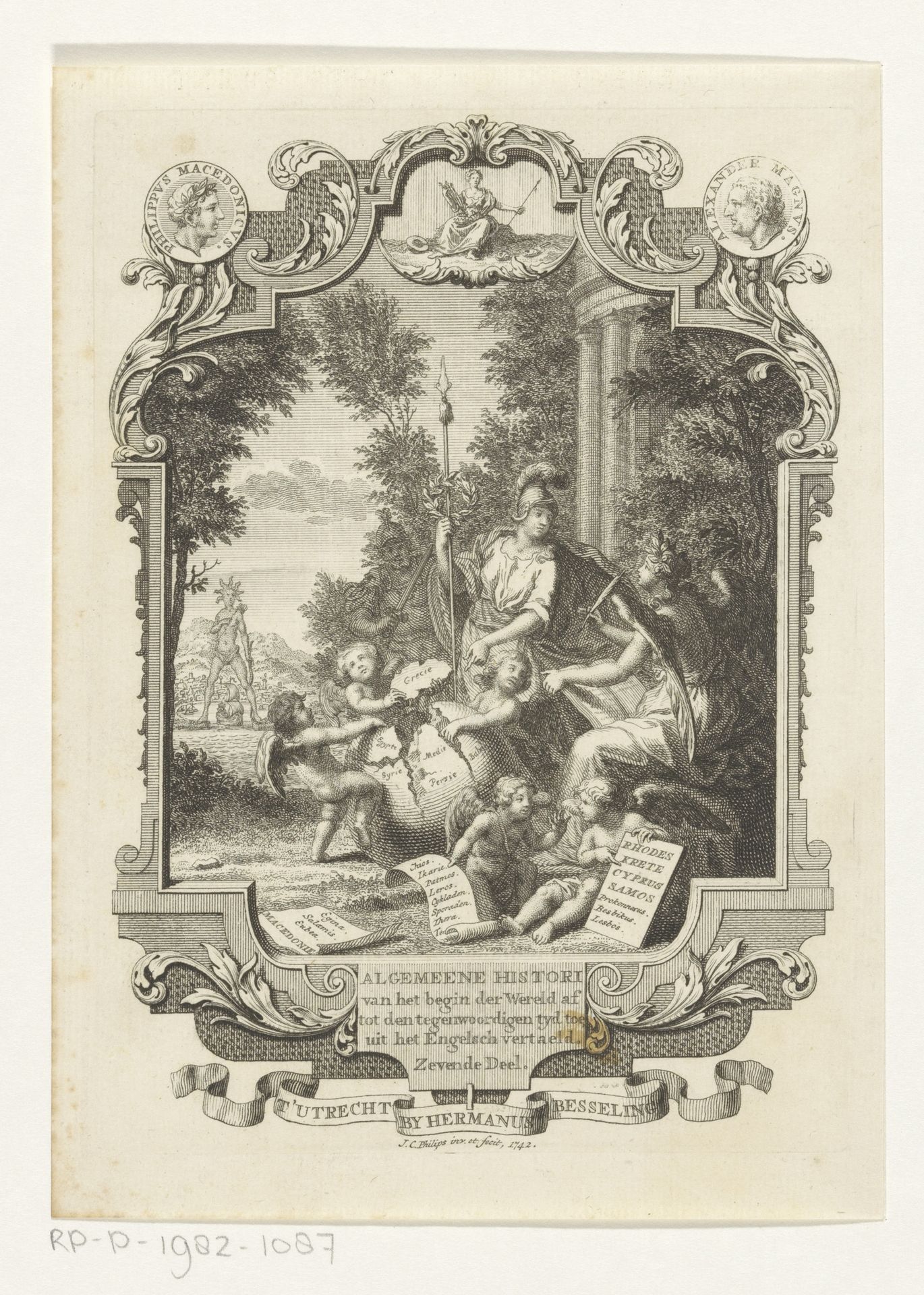
Cartouche met allegorie op de geschiedenis van Griekenland

Jan Caspar Philips
1700 - 1775Location
RijksmuseumListen to curator's interpretation
Curatorial notes
Jan Caspar Philips created this allegory on the history of Greece using etching, a printmaking technique, sometime before 1775. The image is made by incising lines into a metal plate, inking the plate, and then pressing it onto paper. The fine lines and detailed shading gives this print its distinctive look. Note the contrast between the light and dark areas, achieved through careful control of the etching process. Philips, as the printmaker, would have understood how to manipulate the acid to create different tonal effects, a skill honed through training and experience. Prints like this were often produced in multiples, making images and information accessible to a wider audience. While Philips was a skilled artist, his work was also part of a larger system of production and consumption, reflecting the growth of the print industry in the 18th century and its connection to the spread of knowledge. Appreciating the technical skill and the broader context of its creation allows us to fully grasp the artistic value and cultural significance of this print.