About this artwork
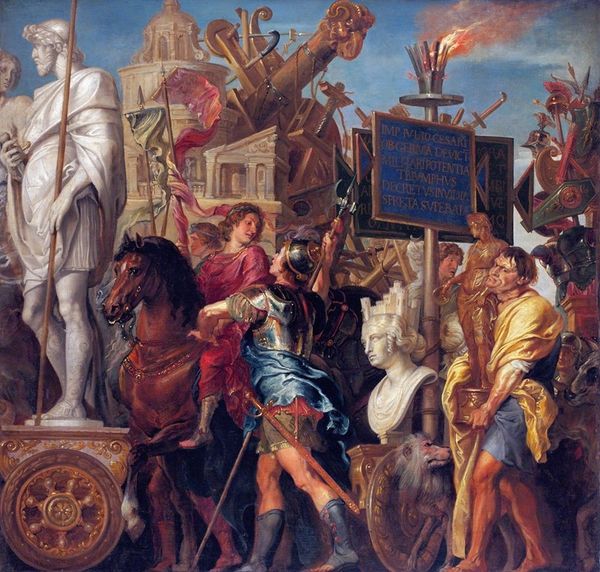
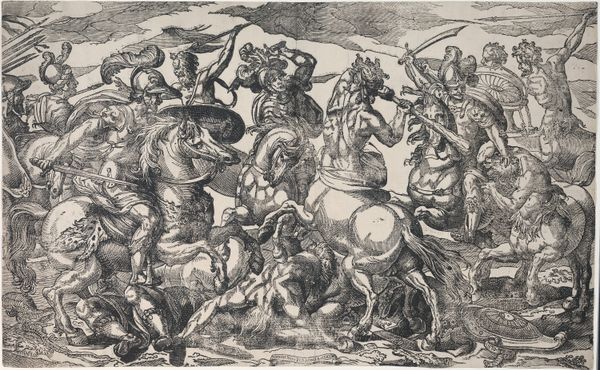
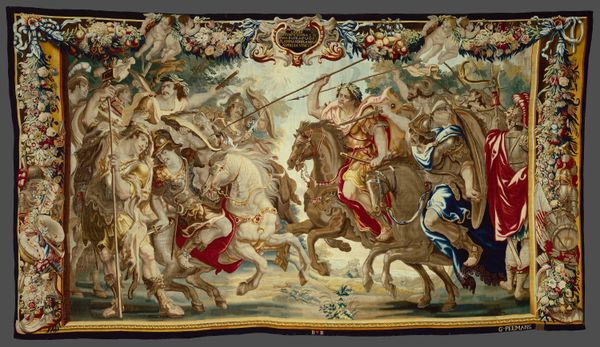
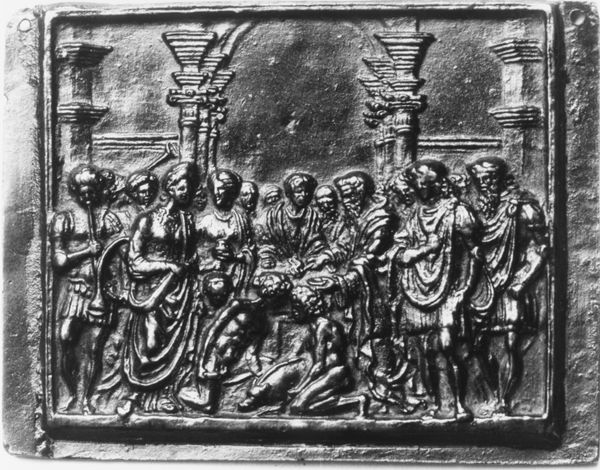
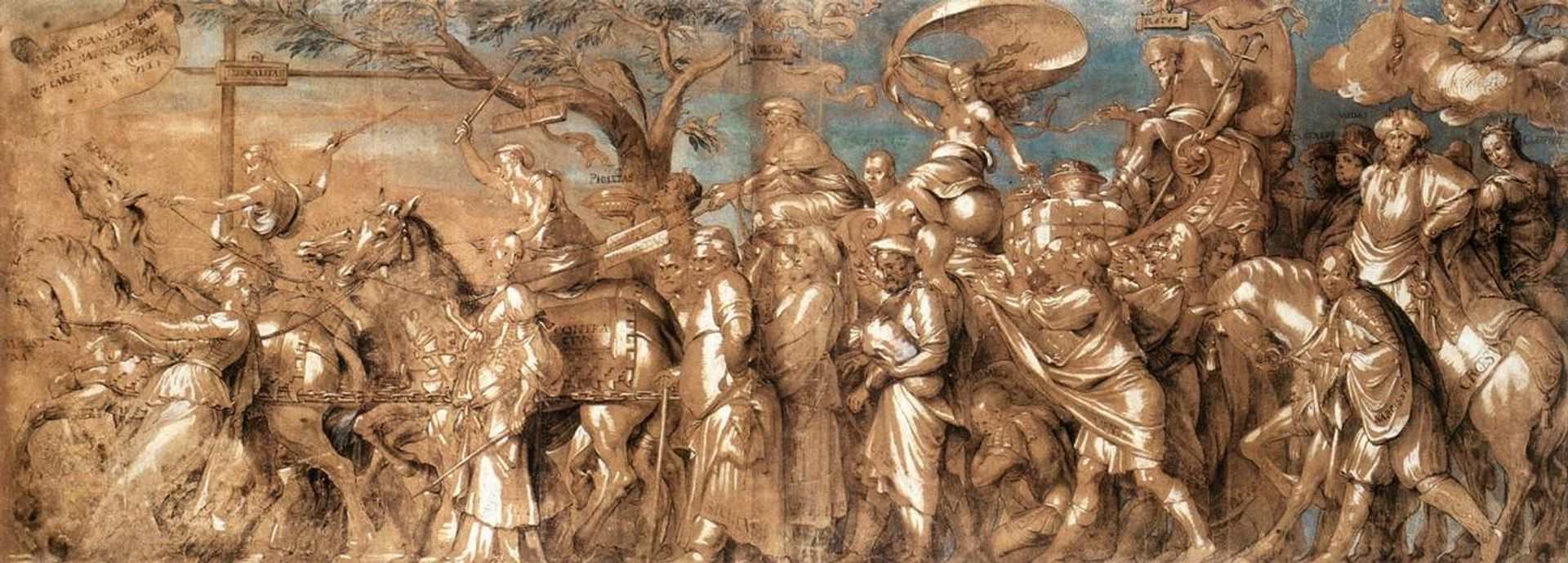
Hans Holbein the Younger created this pen, ink, and wash drawing, "The Triumph of Riches," during a period of significant social and economic change in Europe. Holbein himself occupied a unique position, moving between humanist circles and the courts of the wealthy. Consider how the artist portrays wealth not as a neutral attribute but as a force driving societal change. The drawing could be interpreted as a commentary on the burgeoning merchant class and the ways in which economic power was reshaping social hierarchies. The characters seem to be caught in a parade that celebrates opulence, yet there is also a sense of unease. Who benefits, and at what cost? "The Triumph of Riches" invites us to question not just the accumulation of wealth but its broader cultural and ethical implications. Holbein asks us, as viewers, to reflect on our own relationship to these systems of power and value.
The Triumph of Riches
1533

Hans Holbein the Younger
1497 - 1543Location
Ashmolean Museum, Oxford, UKArtwork details
- Medium
- carving, painting, oil-paint
- Dimensions
- 119.3 x 44.4 cm
- Location
- Ashmolean Museum, Oxford, UK
- Copyright
- Public domain
Tags
Comments
Share your thoughts
About this artwork
Hans Holbein the Younger created this pen, ink, and wash drawing, "The Triumph of Riches," during a period of significant social and economic change in Europe. Holbein himself occupied a unique position, moving between humanist circles and the courts of the wealthy. Consider how the artist portrays wealth not as a neutral attribute but as a force driving societal change. The drawing could be interpreted as a commentary on the burgeoning merchant class and the ways in which economic power was reshaping social hierarchies. The characters seem to be caught in a parade that celebrates opulence, yet there is also a sense of unease. Who benefits, and at what cost? "The Triumph of Riches" invites us to question not just the accumulation of wealth but its broader cultural and ethical implications. Holbein asks us, as viewers, to reflect on our own relationship to these systems of power and value.
Comments
Share your thoughts