About this artwork
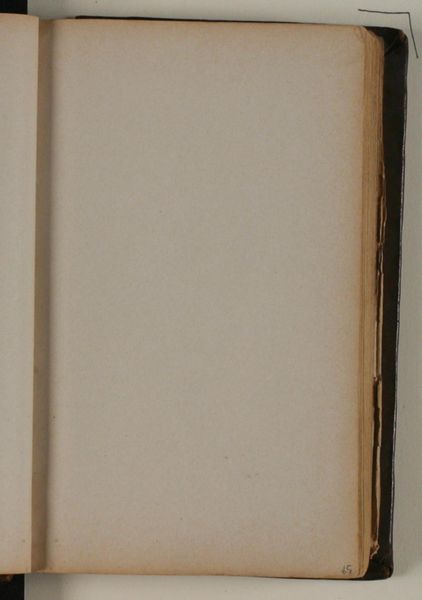
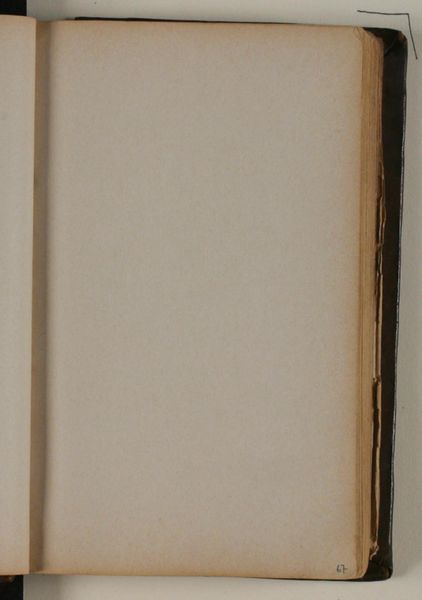
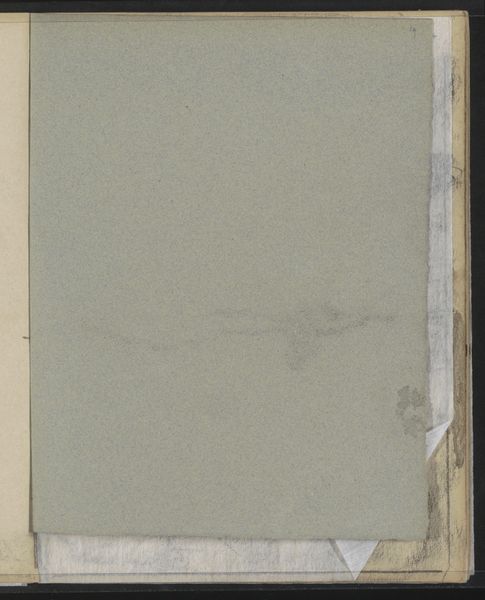
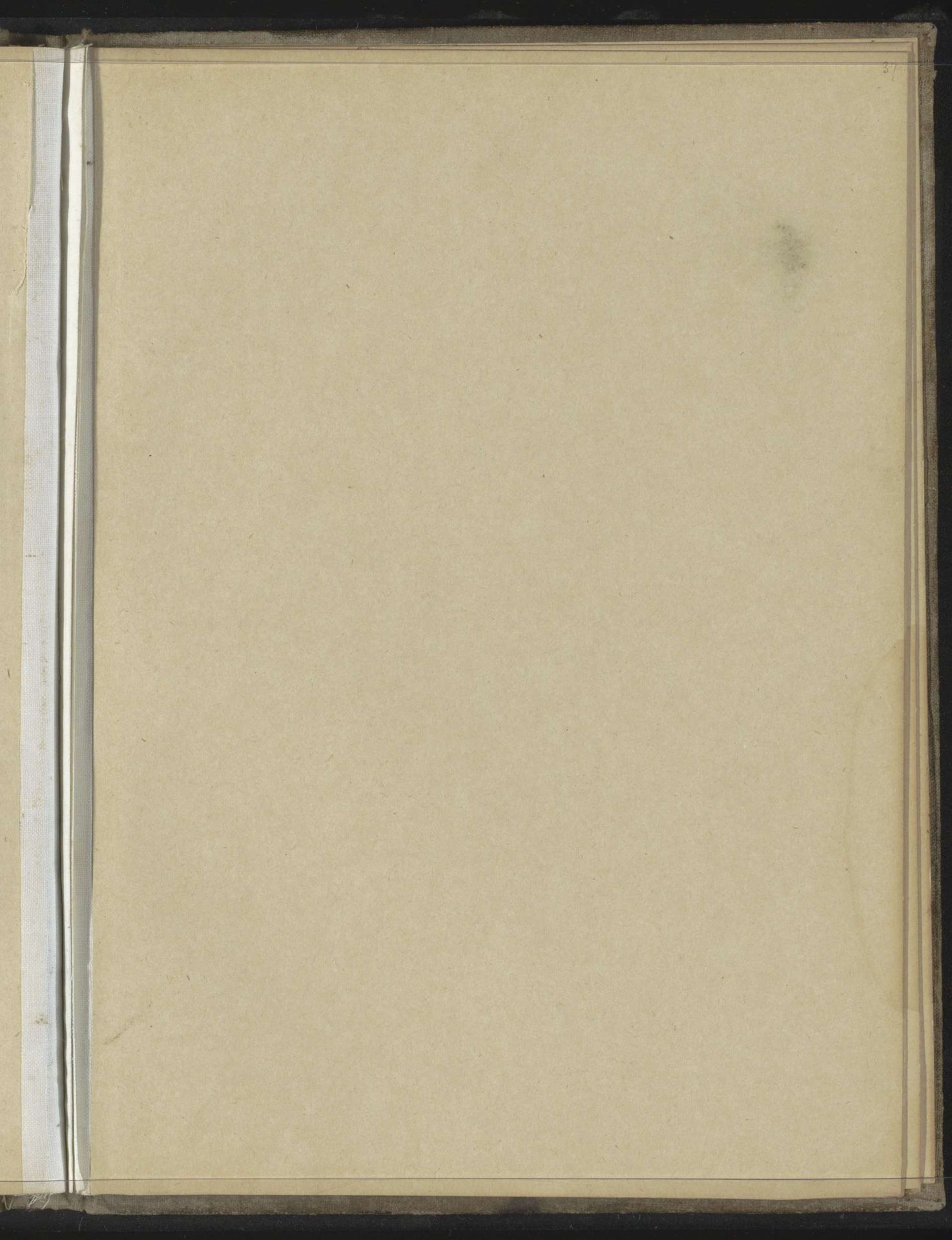
Willem Witsen’s "Abklatsch van de krijttekening op pagina 36" presents us with a seemingly blank page, yet it whispers volumes about absence and presence. The pale surface, meant to carry an image, instead bears only the faintest trace, a ghostly echo of a chalk drawing. Consider the act of reproduction, the 'Abklatsch,' or transfer: a method intended to preserve, but here it reveals a loss. This absence resonates deeply, echoing the symbolic weight of voids in art across cultures. Think of the Zen Buddhist practice where empty space invites contemplation, or the 'horror vacui'—the fear of emptiness—that drives artists to fill every surface. The blank page, in its unassuming way, becomes a mirror reflecting our own anxieties about memory, preservation, and the ephemeral nature of existence. It is a profound symbol, engaging us in a subconscious dance between what is seen and what is felt, a testament to the enduring power of absence.
Abklatsch van de krijttekening op pagina 36
c. 1892 - 1897

Willem Witsen
1860 - 1923Location
RijksmuseumArtwork details
- Location
- Rijksmuseum
- Copyright
- Rijks Museum: Open Domain
Comments
Share your thoughts
About this artwork
Willem Witsen’s "Abklatsch van de krijttekening op pagina 36" presents us with a seemingly blank page, yet it whispers volumes about absence and presence. The pale surface, meant to carry an image, instead bears only the faintest trace, a ghostly echo of a chalk drawing. Consider the act of reproduction, the 'Abklatsch,' or transfer: a method intended to preserve, but here it reveals a loss. This absence resonates deeply, echoing the symbolic weight of voids in art across cultures. Think of the Zen Buddhist practice where empty space invites contemplation, or the 'horror vacui'—the fear of emptiness—that drives artists to fill every surface. The blank page, in its unassuming way, becomes a mirror reflecting our own anxieties about memory, preservation, and the ephemeral nature of existence. It is a profound symbol, engaging us in a subconscious dance between what is seen and what is felt, a testament to the enduring power of absence.
Comments
Share your thoughts