About this artwork
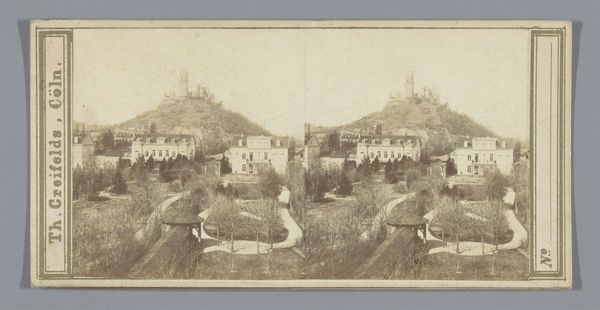
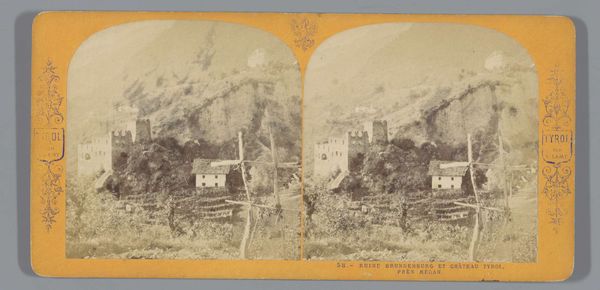
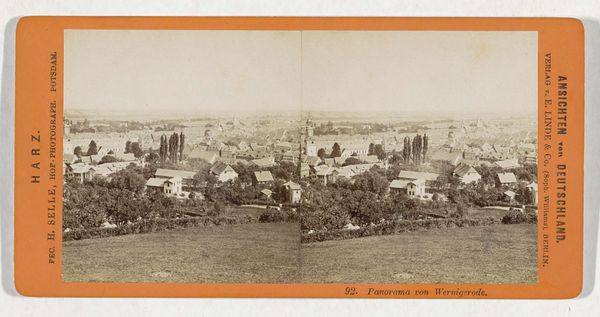
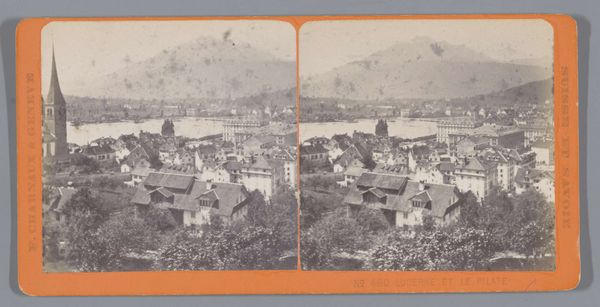
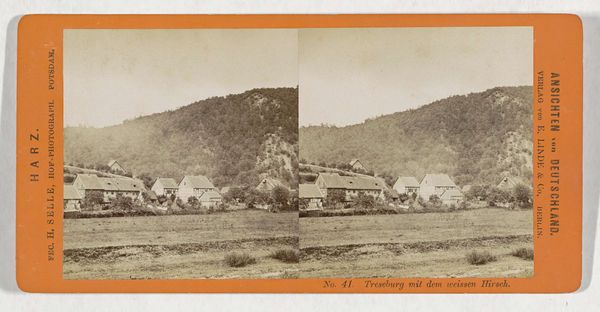
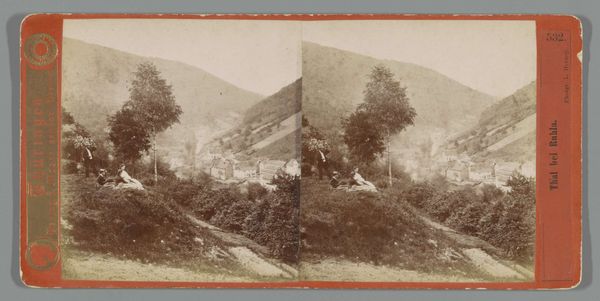
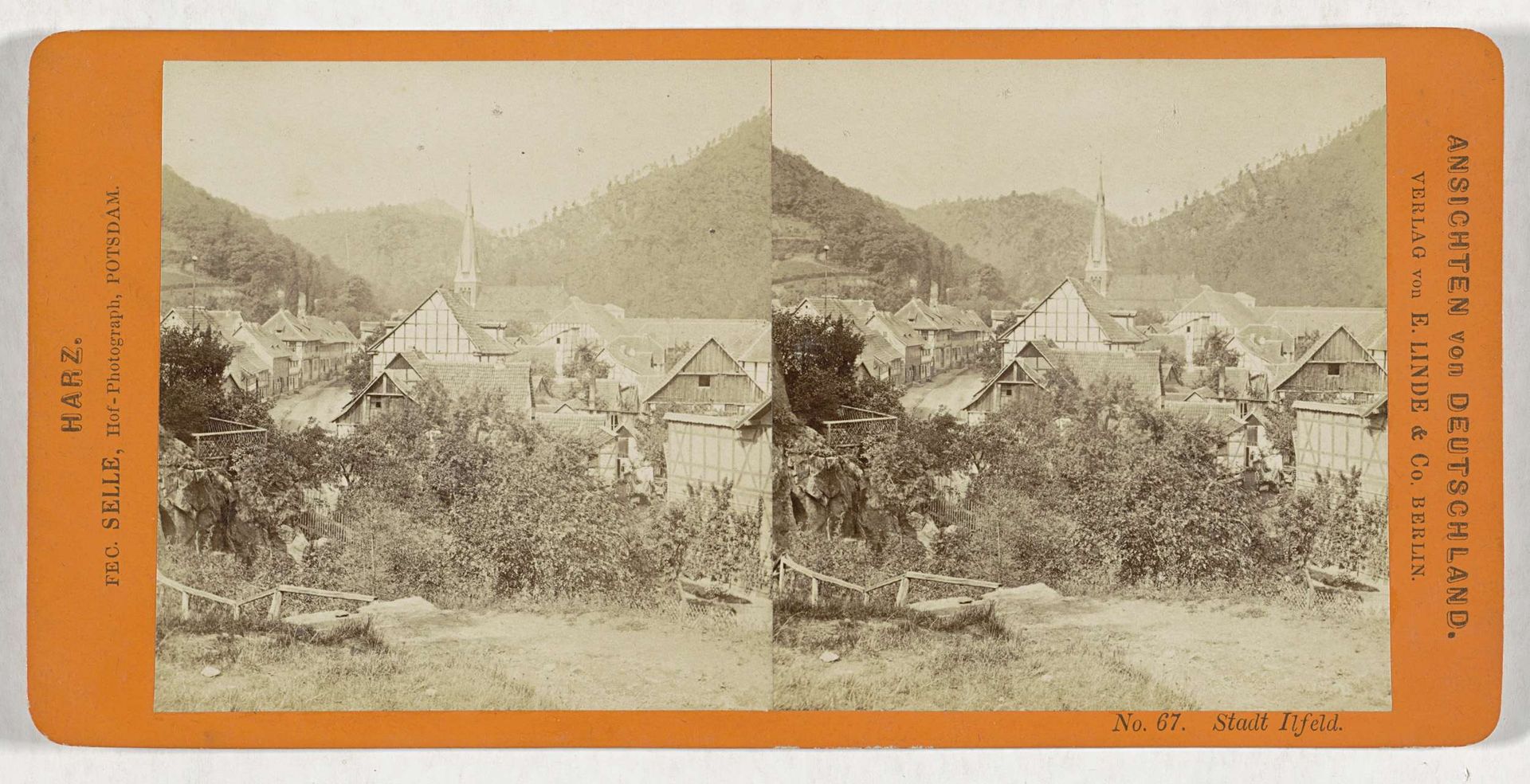
This stereoscopic photograph titled ‘Gezicht op Ilfeld’ presents a scene of a small town nestled in a valley of the Harz region. The sepia tones lend the image a sense of distance and historical depth. The composition is structured by a contrast between the natural and the built environment. We see a foreground dominated by rough vegetation, leading to a clustered arrangement of houses and buildings in the middle ground. Above, a mountain rises which gives a sense of enclosure and frames the town. The stereoscopic format adds a layer of complexity, creating an illusion of depth and space. The slight differences between the two images invite our eyes to actively reconstruct the scene. In its essence, it is not simply about seeing; it engages with the very process of perception, challenging us to reconsider the relationship between representation and reality. The photograph invites us to consider not just what is depicted, but how we come to understand it.

Artwork details
- Dimensions
- height 865 mm, width 176 mm
- Copyright
- Rijks Museum: Open Domain
Comments
Share your thoughts
About this artwork
This stereoscopic photograph titled ‘Gezicht op Ilfeld’ presents a scene of a small town nestled in a valley of the Harz region. The sepia tones lend the image a sense of distance and historical depth. The composition is structured by a contrast between the natural and the built environment. We see a foreground dominated by rough vegetation, leading to a clustered arrangement of houses and buildings in the middle ground. Above, a mountain rises which gives a sense of enclosure and frames the town. The stereoscopic format adds a layer of complexity, creating an illusion of depth and space. The slight differences between the two images invite our eyes to actively reconstruct the scene. In its essence, it is not simply about seeing; it engages with the very process of perception, challenging us to reconsider the relationship between representation and reality. The photograph invites us to consider not just what is depicted, but how we come to understand it.
Comments
Share your thoughts