About this artwork
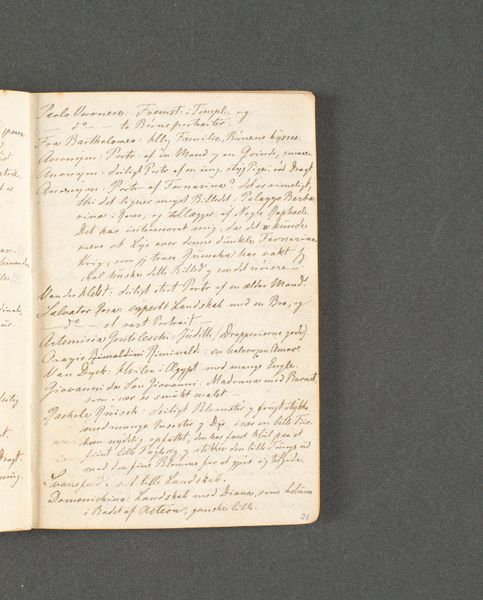
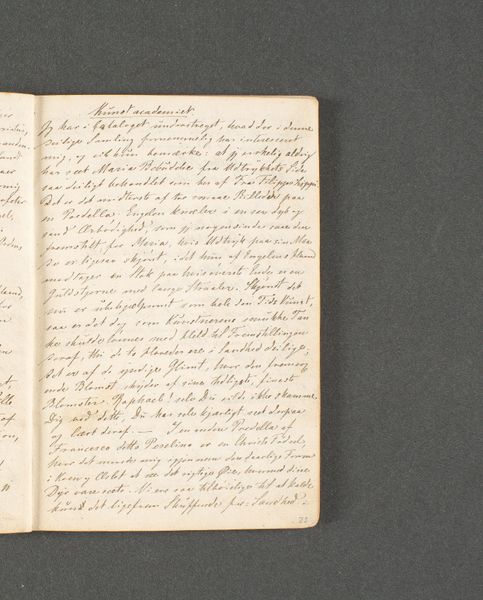
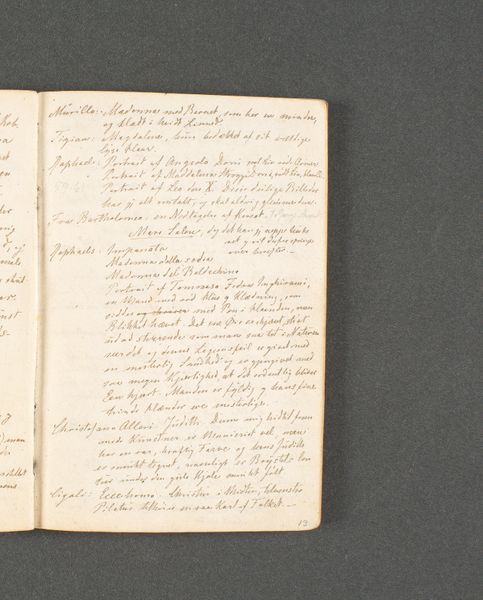
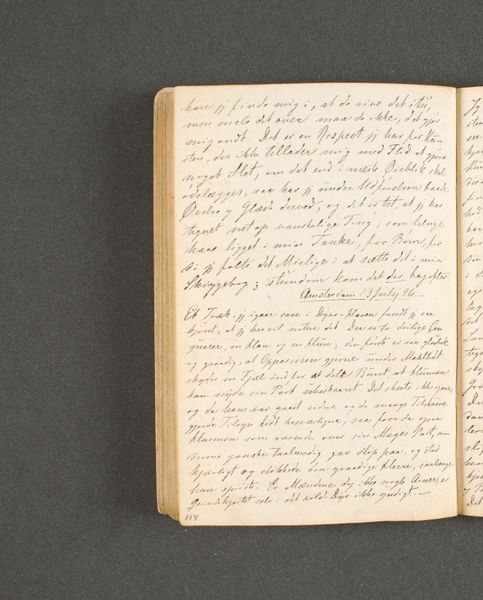
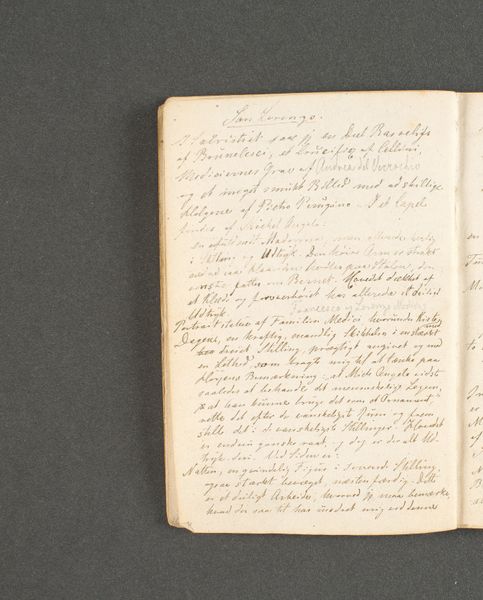
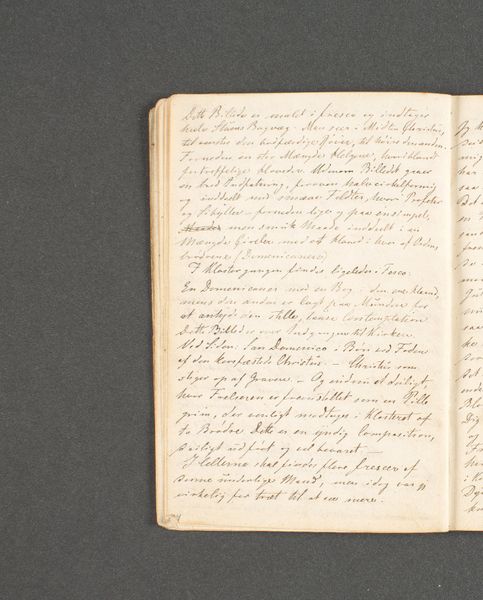
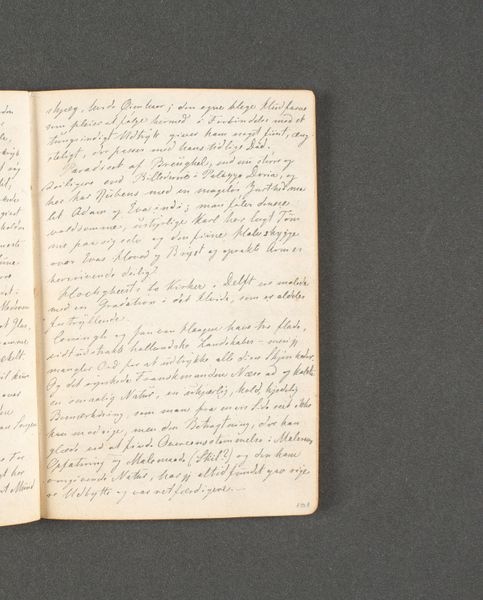
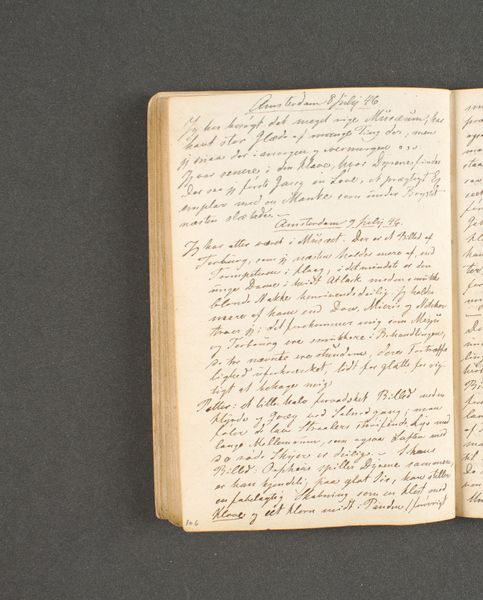
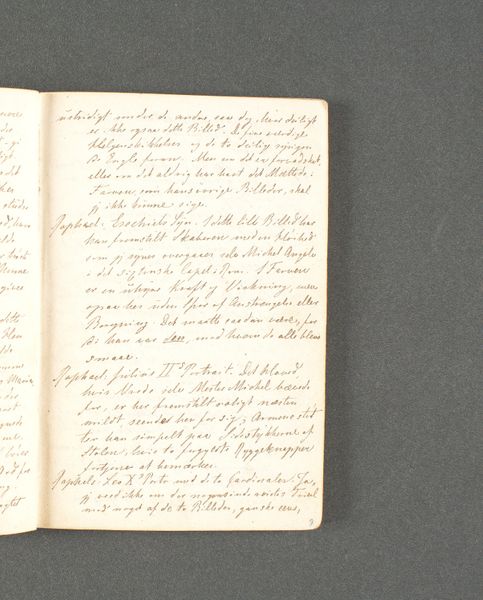
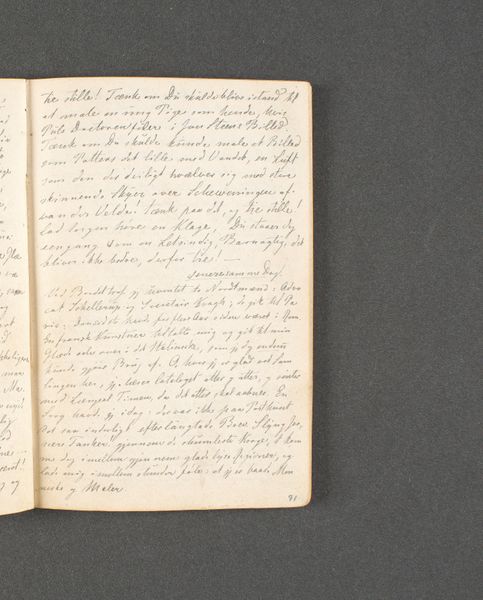
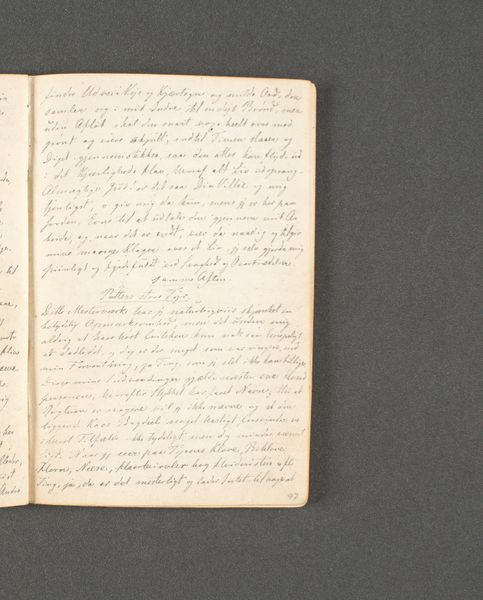
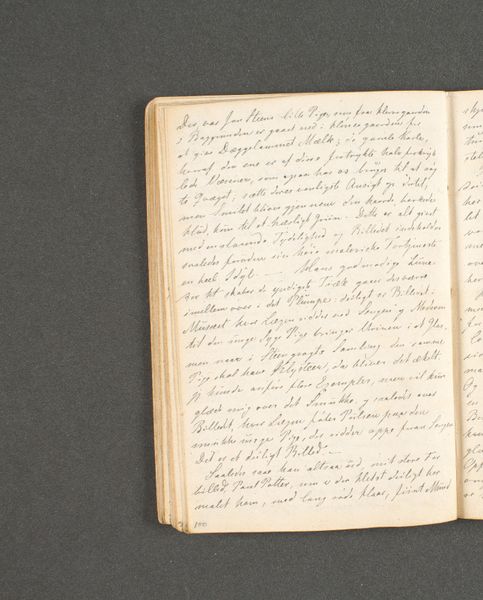
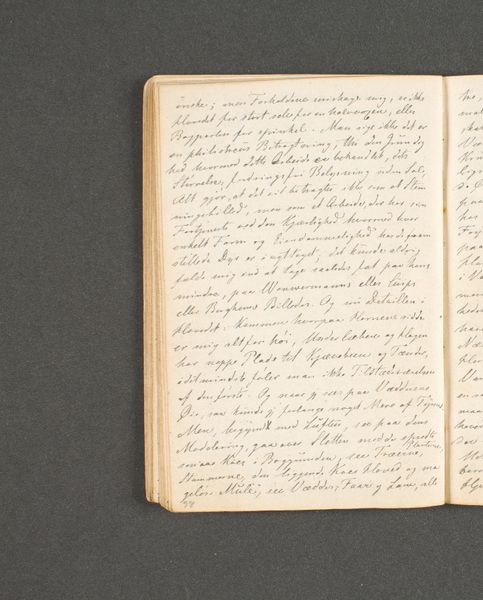
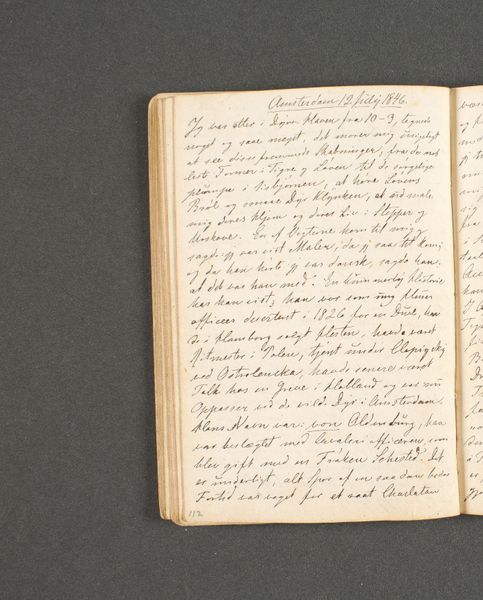
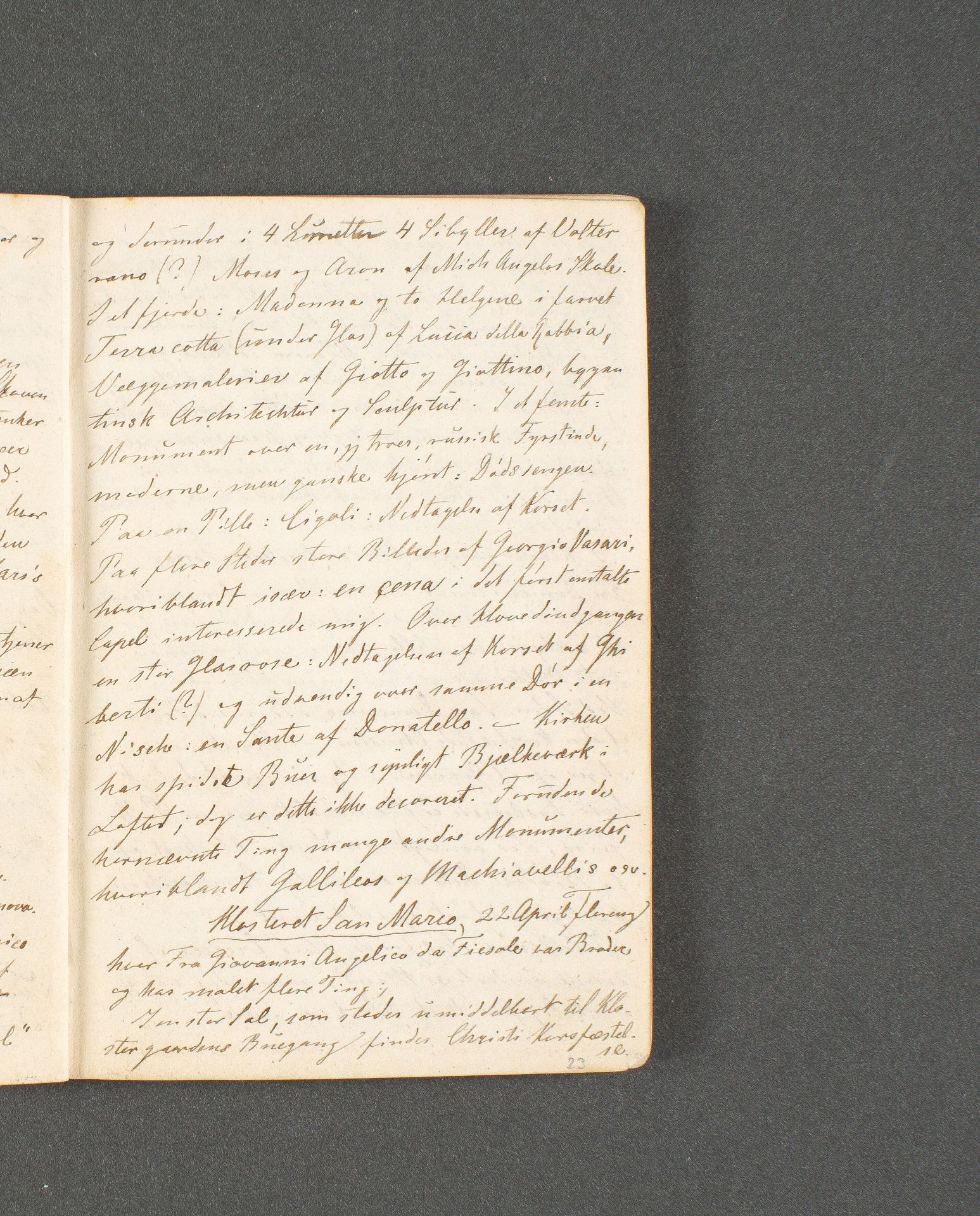
This is a page from ‘Rejsedagbog. Firenze,’ or Travel Journal. Florence, made by Johan Thomas Lundbye in the 1800s. It's a humble object, paper and ink, the kind of thing many of us might have lying around. But consider the labor involved. Not just Lundbye's writing, but also the production of the paper itself, the grinding of pigments for the ink, the binding of the book. These are all processes that have been industrialized, but in Lundbye's time, they still bore the marks of handcraft. The journal is more than just a repository for Lundbye's thoughts. It's a material witness to a changing world, a world where the handmade was slowly giving way to the machine-made. It blurs the lines between art, craft, and the everyday, reminding us that even the simplest objects can tell complex stories about labor, technology, and culture.
Rejsedagbog. Firenze
1846


Artwork details
- Medium
- drawing, paper, ink, pen
- Dimensions
- 131 mm (height) x 89 mm (width) (bladmaal)
- Location
- SMK - Statens Museum for Kunst
Tags
Comments
Share your thoughts
About this artwork
This is a page from ‘Rejsedagbog. Firenze,’ or Travel Journal. Florence, made by Johan Thomas Lundbye in the 1800s. It's a humble object, paper and ink, the kind of thing many of us might have lying around. But consider the labor involved. Not just Lundbye's writing, but also the production of the paper itself, the grinding of pigments for the ink, the binding of the book. These are all processes that have been industrialized, but in Lundbye's time, they still bore the marks of handcraft. The journal is more than just a repository for Lundbye's thoughts. It's a material witness to a changing world, a world where the handmade was slowly giving way to the machine-made. It blurs the lines between art, craft, and the everyday, reminding us that even the simplest objects can tell complex stories about labor, technology, and culture.
Comments
Share your thoughts