About this artwork
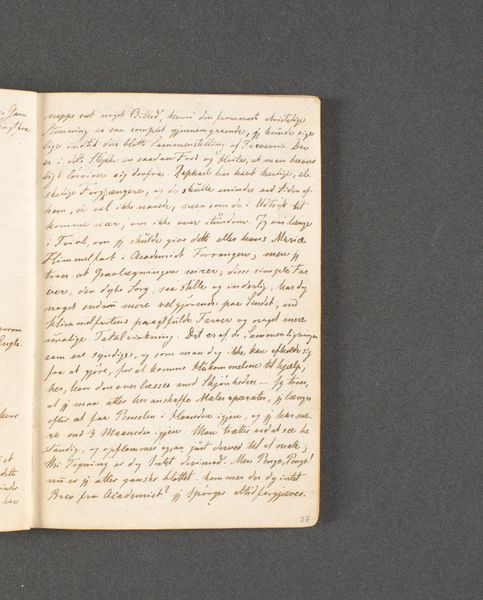
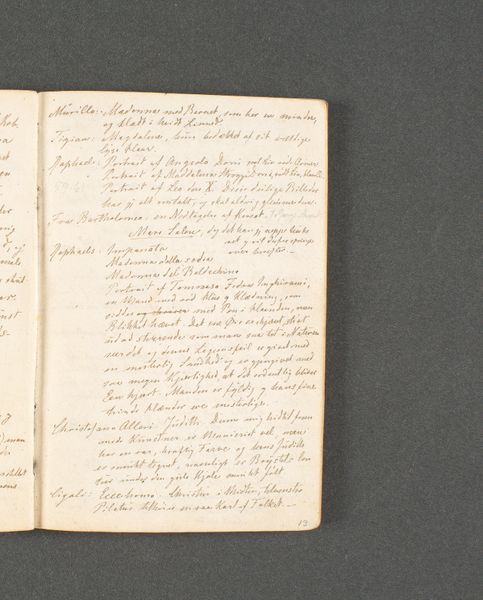
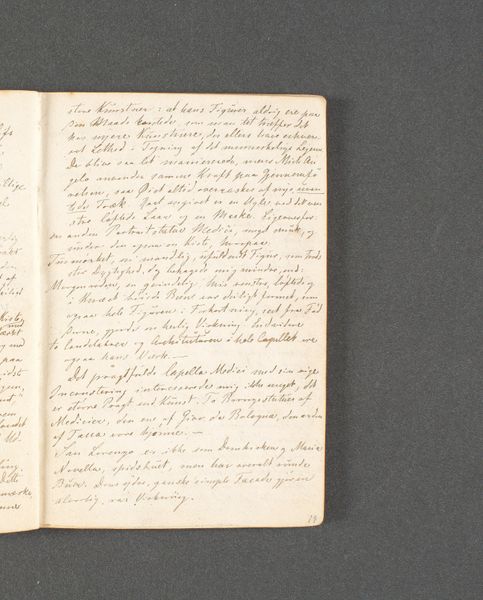
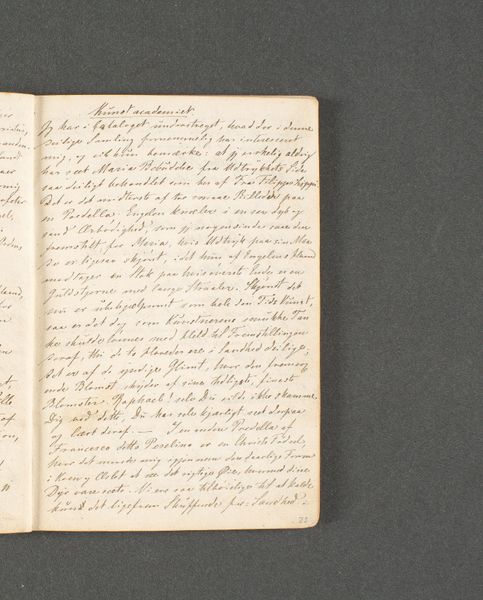
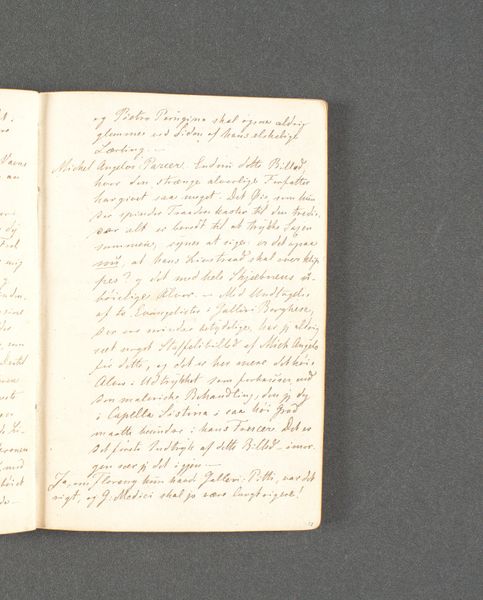
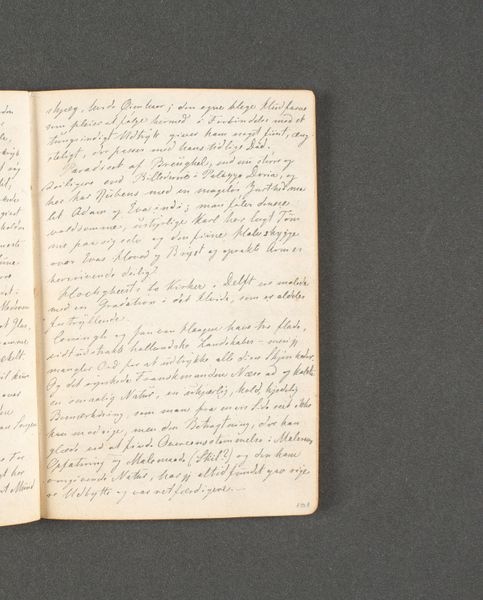
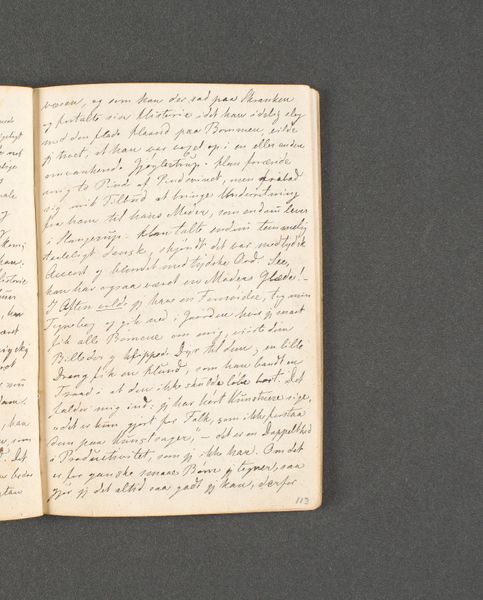
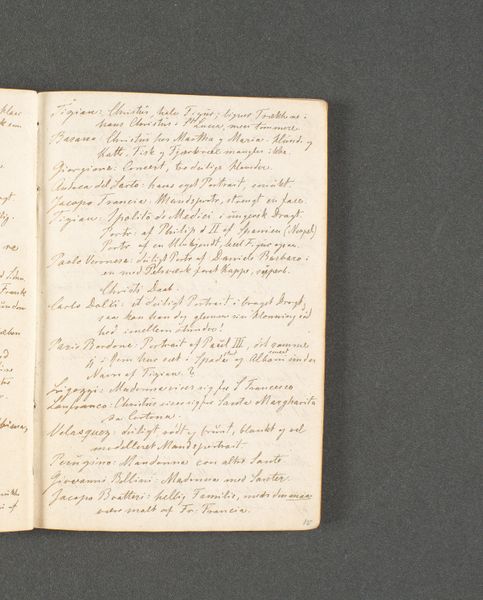
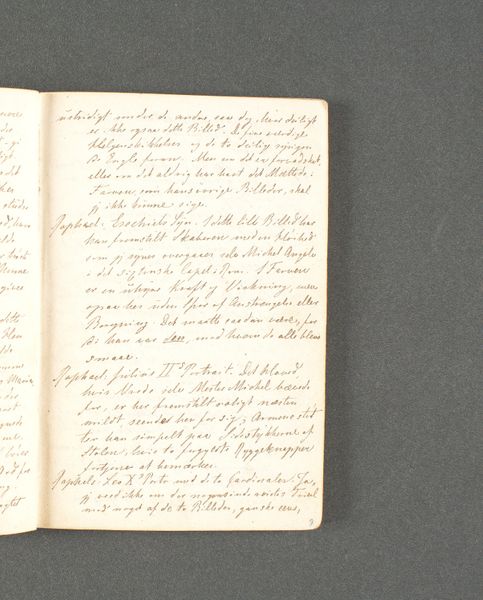
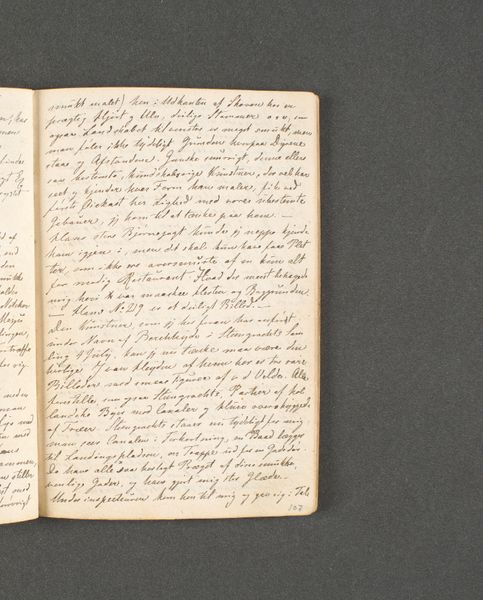
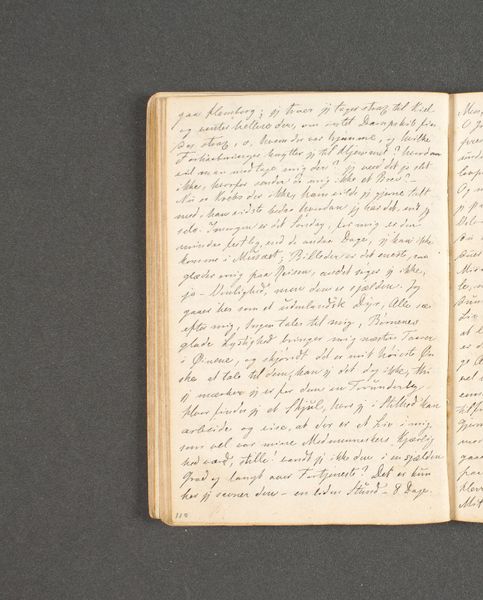
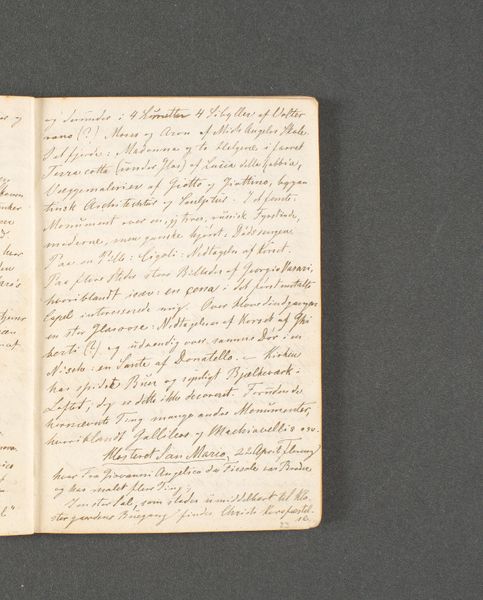
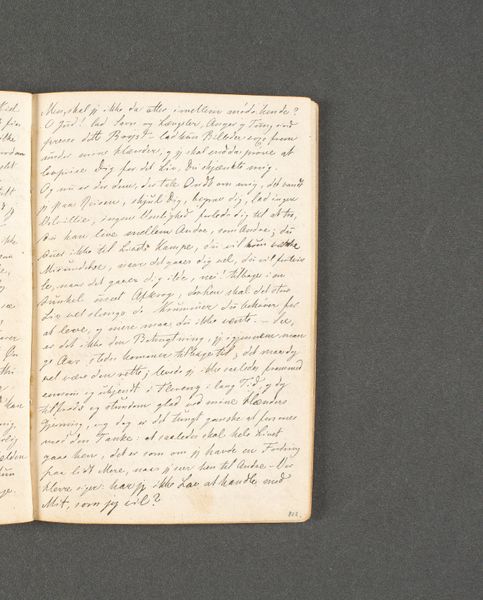
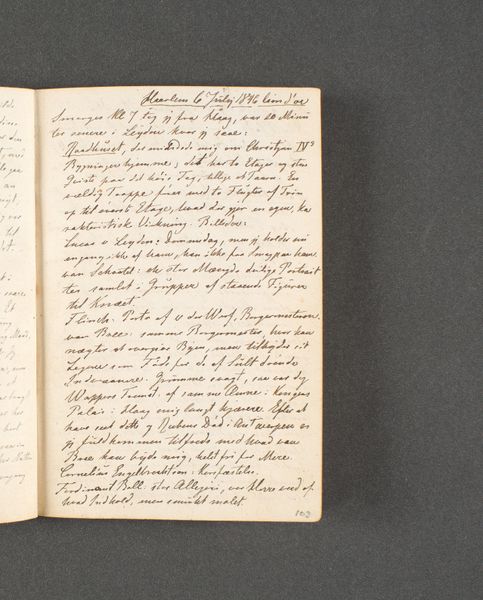
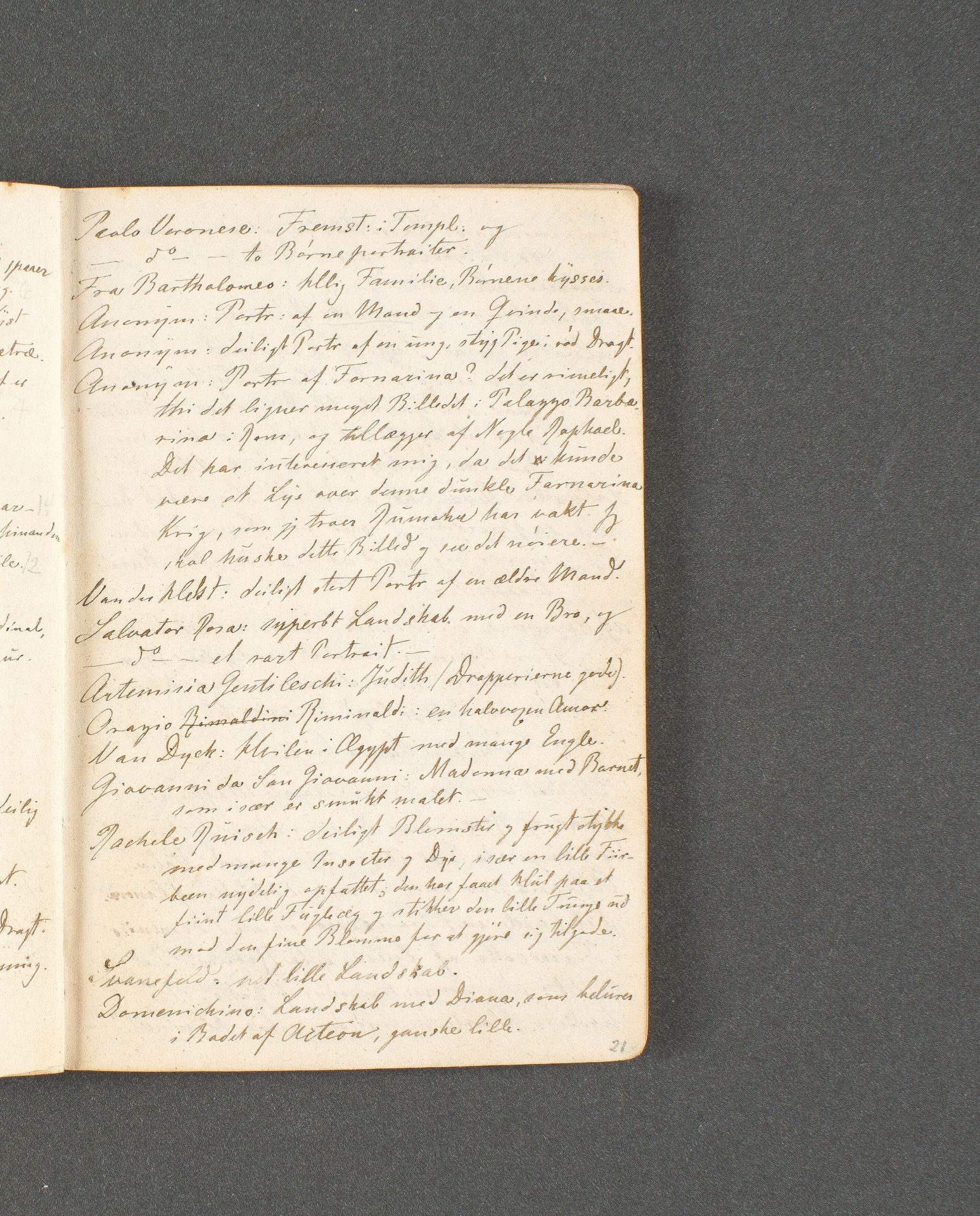
This is a page from Johan Thomas Lundbye's travel journal, circa 1845, filled with notes referencing artworks he encountered in Florence. Scattered amongst Lundbye's handwriting are mentions of religious and mythological figures, acting as powerful symbols. Diana, for instance, appears here, a reference to a landscape featuring the Roman goddess of the hunt, embodying themes of nature, fertility, and the moon. In other landscapes throughout art history, Diana symbolizes the untamed wilderness, representing both allure and danger. Interestingly, the goddess’s image has morphed over centuries, transitioning from a deity of natural abundance to a symbol of female empowerment. This evolution is not linear, but cyclical. Diana resurfaces, evolves, and takes on new meanings, a testament to how cultural memory adapts symbols across different eras. This page is not merely a record of artworks seen, but a personal reflection on how symbols persist and transform.
Rejsedagbog. Firenze
1846


Artwork details
- Medium
- drawing, paper, ink
- Dimensions
- 131 mm (height) x 89 mm (width) (bladmaal)
- Location
- SMK - Statens Museum for Kunst
Tags
Comments
Share your thoughts
About this artwork
This is a page from Johan Thomas Lundbye's travel journal, circa 1845, filled with notes referencing artworks he encountered in Florence. Scattered amongst Lundbye's handwriting are mentions of religious and mythological figures, acting as powerful symbols. Diana, for instance, appears here, a reference to a landscape featuring the Roman goddess of the hunt, embodying themes of nature, fertility, and the moon. In other landscapes throughout art history, Diana symbolizes the untamed wilderness, representing both allure and danger. Interestingly, the goddess’s image has morphed over centuries, transitioning from a deity of natural abundance to a symbol of female empowerment. This evolution is not linear, but cyclical. Diana resurfaces, evolves, and takes on new meanings, a testament to how cultural memory adapts symbols across different eras. This page is not merely a record of artworks seen, but a personal reflection on how symbols persist and transform.
Comments
Share your thoughts