About this artwork
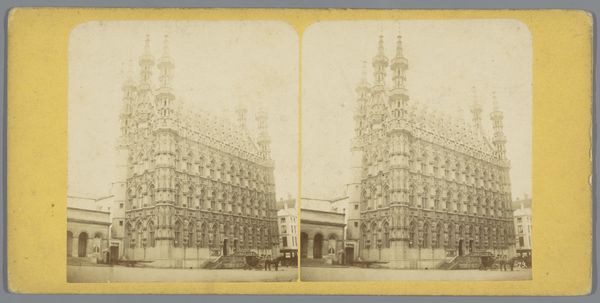
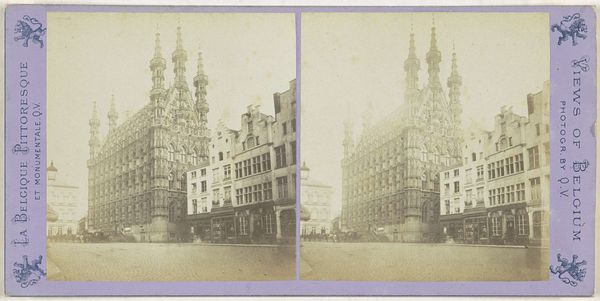
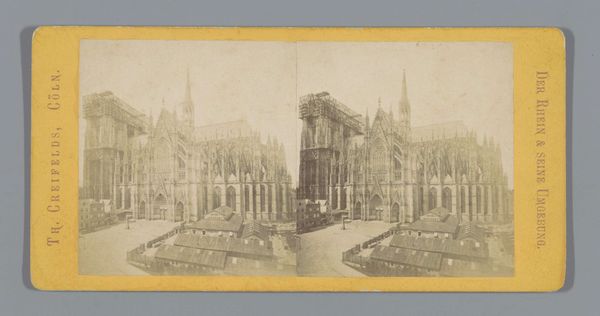
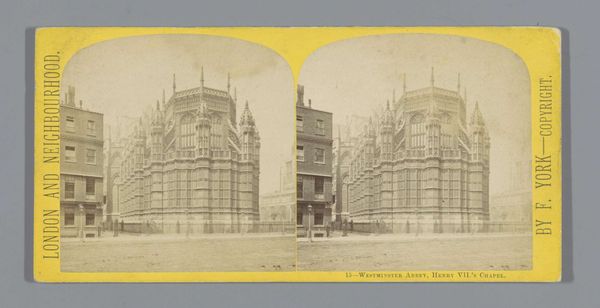
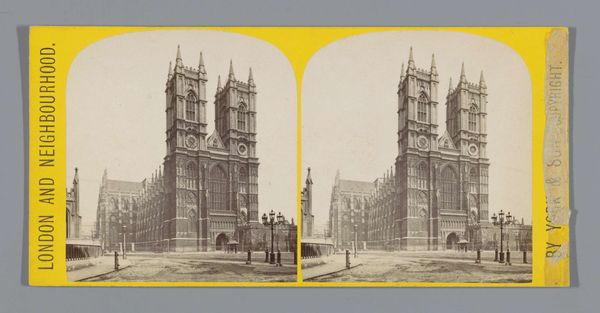
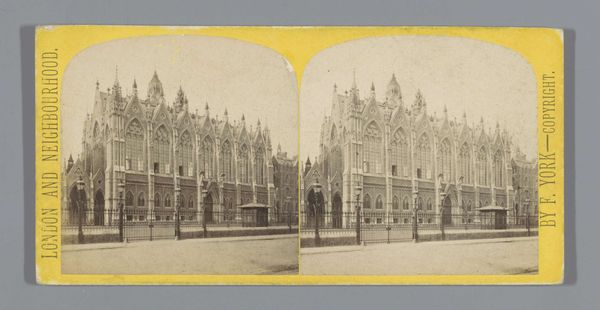
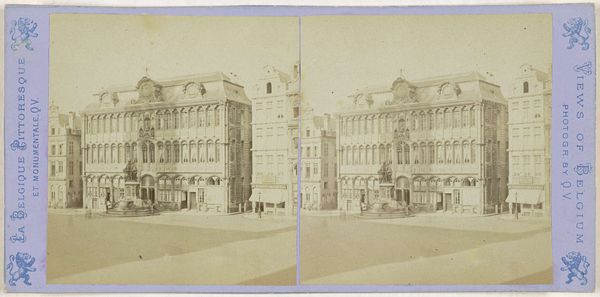
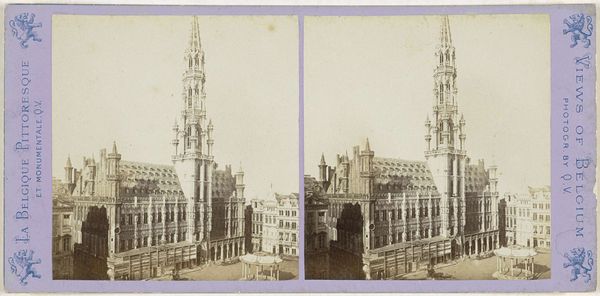
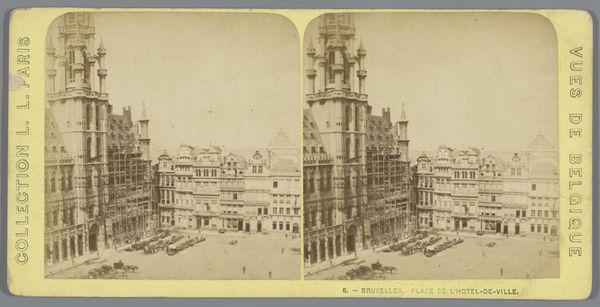
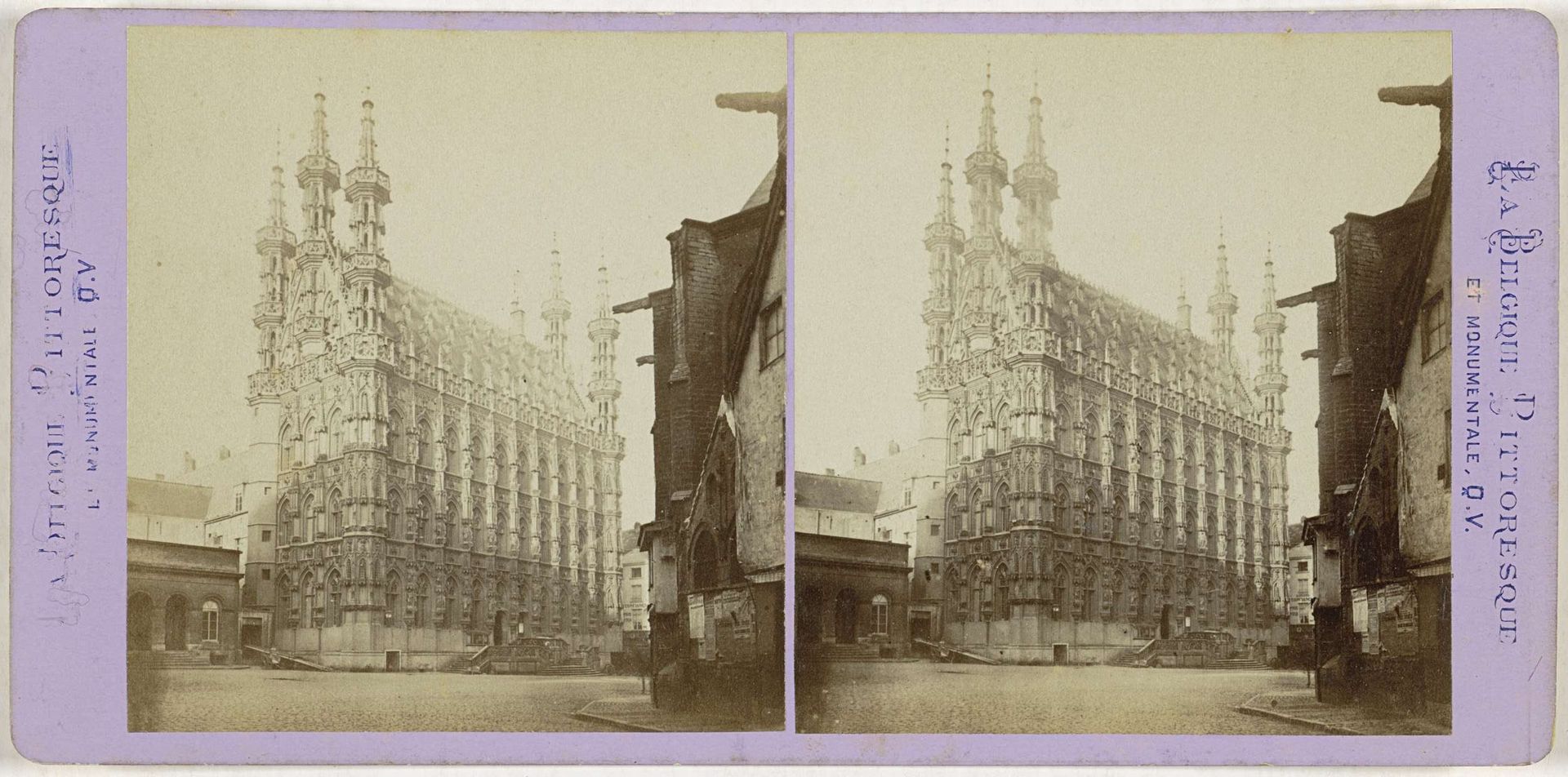
This stereoscopic photograph of the Stadhuis van Leuven was captured by Jules Hippolyte Quéval. Rather than the monumental stone of the building, it is the alchemical process of photography we need to consider. The image is made through a chemical reaction on a treated glass plate, creating a negative, then printed onto a paper card. This method, which emerged in the 19th century, democratized image-making, allowing for mass production and distribution of views like this one. Consider the labor involved: from the harvesting of materials for the photographic chemicals, to the skilled darkroom work, and the distribution networks that brought these images to eager consumers. It is easy to overlook the materiality of a photograph, to see it merely as a window onto a scene. But in doing so, we miss the way that photography itself is a product of industrial processes, deeply embedded in the social and economic transformations of its time. This changes how we see, and what we value.

Artwork details
- Dimensions
- height 86 mm, width 175 mm
- Location
- Rijksmuseum
- Copyright
- Rijks Museum: Open Domain
Comments
Share your thoughts
About this artwork
This stereoscopic photograph of the Stadhuis van Leuven was captured by Jules Hippolyte Quéval. Rather than the monumental stone of the building, it is the alchemical process of photography we need to consider. The image is made through a chemical reaction on a treated glass plate, creating a negative, then printed onto a paper card. This method, which emerged in the 19th century, democratized image-making, allowing for mass production and distribution of views like this one. Consider the labor involved: from the harvesting of materials for the photographic chemicals, to the skilled darkroom work, and the distribution networks that brought these images to eager consumers. It is easy to overlook the materiality of a photograph, to see it merely as a window onto a scene. But in doing so, we miss the way that photography itself is a product of industrial processes, deeply embedded in the social and economic transformations of its time. This changes how we see, and what we value.
Comments
Share your thoughts