1640
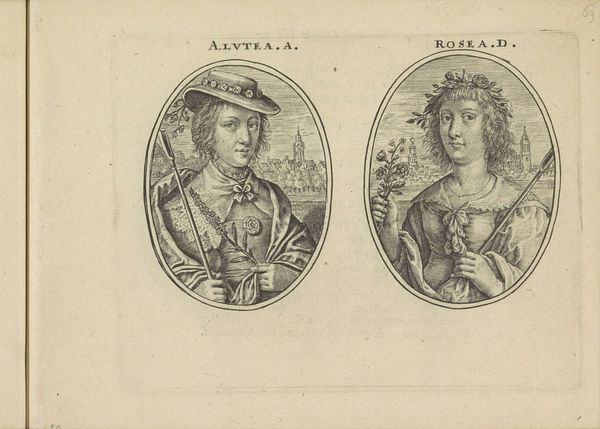
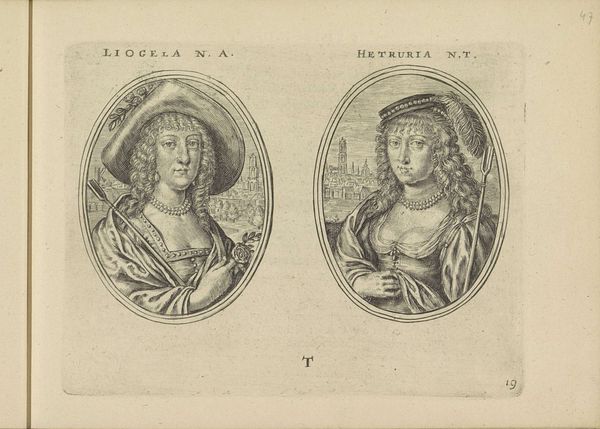
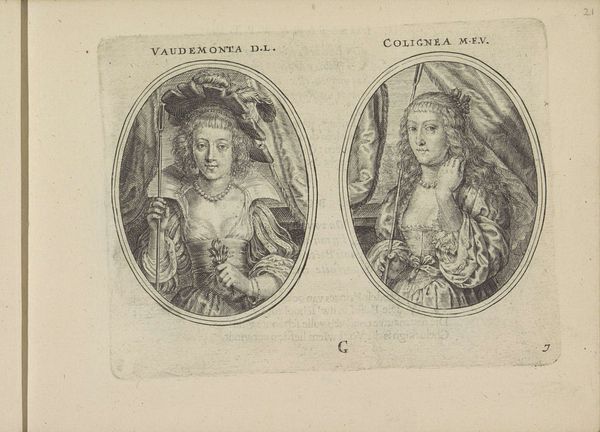
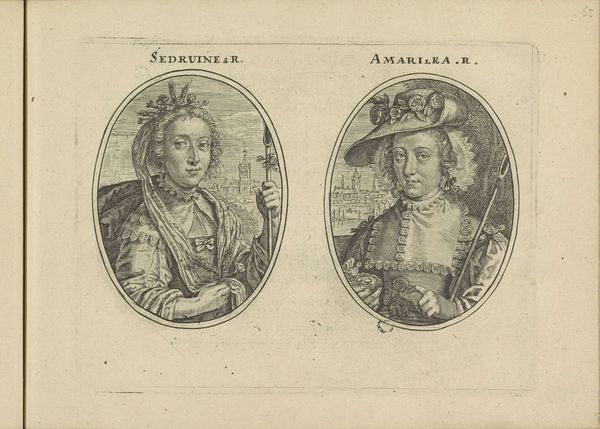
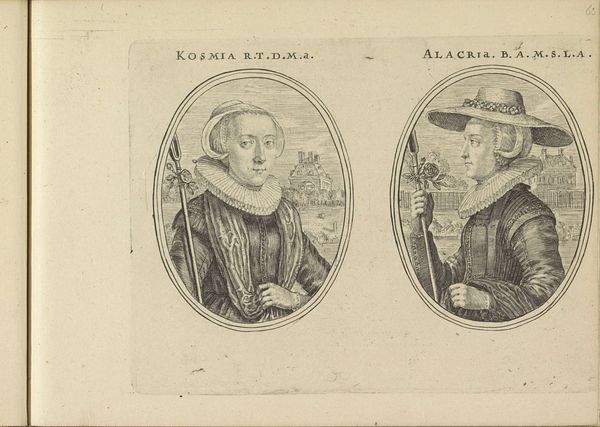
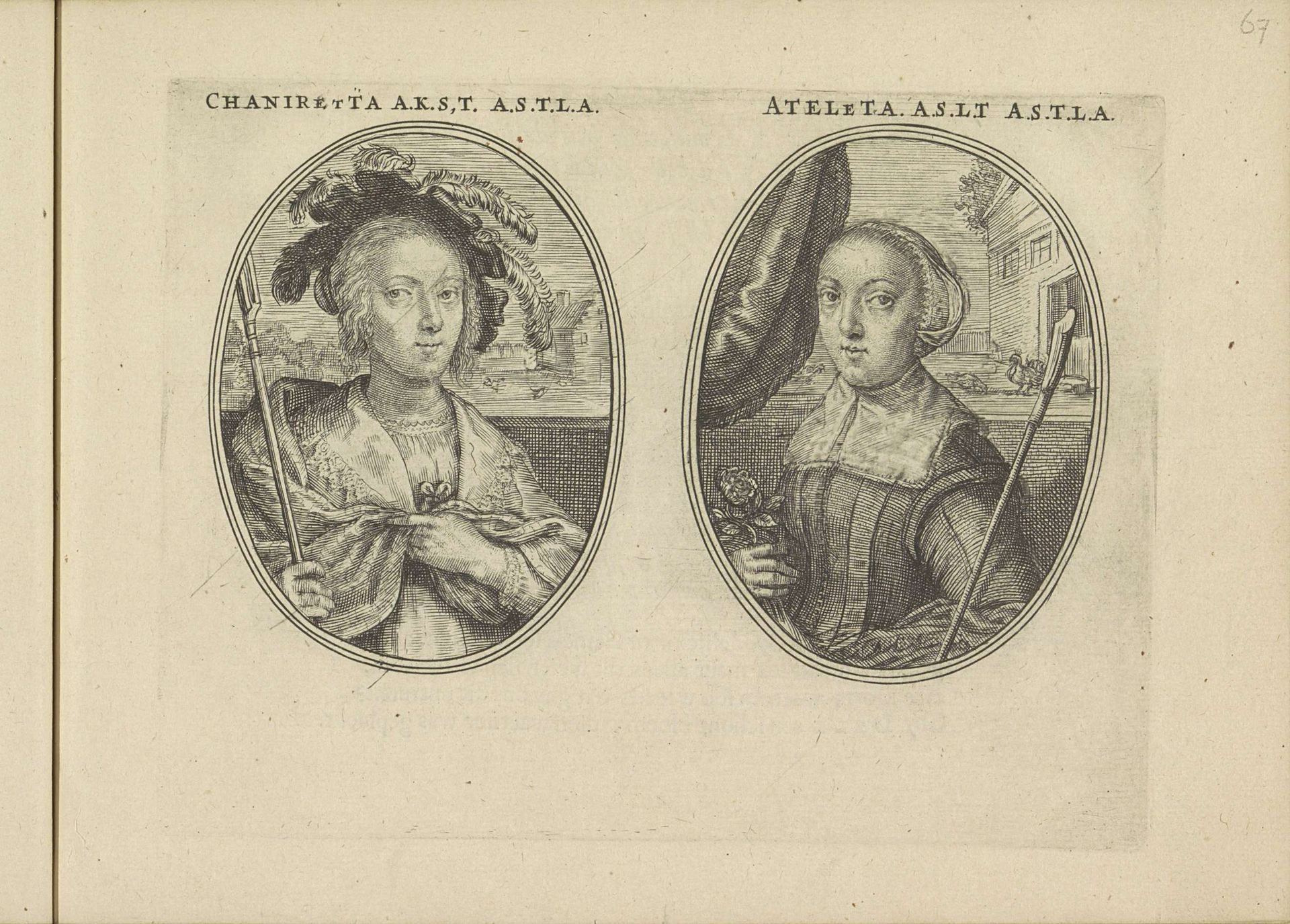
Portretten van twee onbekende vrouwen, beiden als herderin

Crispijn van de (II) Passe
1597 - 1670Location
RijksmuseumListen to curator's interpretation
Curatorial notes
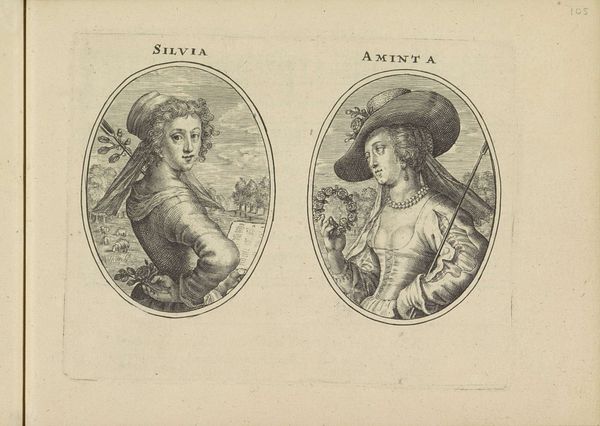
This engraving, made by Crispijn van de Passe the Younger, depicts two unknown women as shepherdesses, a popular motif in the 17th century. The shepherdess symbolizes innocence, simplicity, and a connection to nature, harking back to Arcadia, an idealized vision of pastoral life. Note the crook, the staff these figures carry. The crook dates back to ancient Greco-Roman art, where shepherds were idealized as virtuous and close to nature. Over time, this symbol has resurfaced in various forms, from religious art—the bishop's crosier—to romantic literature, each time embodying authority, guidance, and care. The gesture of holding a flower is also worth noting. In classical antiquity, flowers were associated with fertility, love, and ephemeral beauty. Here, it speaks to a deeper emotional landscape, perhaps a yearning for a simpler, more virtuous existence. These symbols tap into our collective memory, evoking complex emotions and psychological associations that have resonated across centuries. The image, therefore, is not just a portrait, but a powerful engagement with enduring human ideals.