Possibly 1789
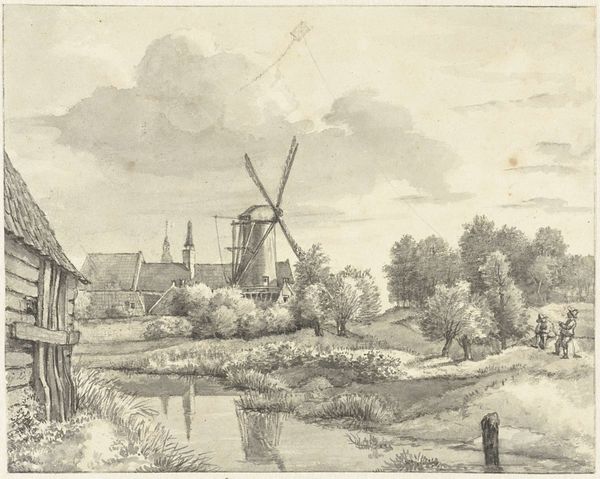
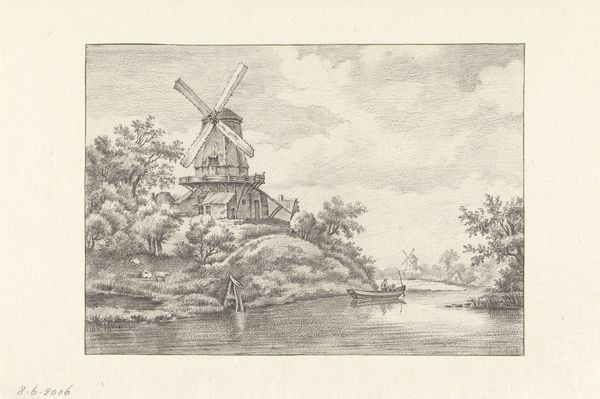
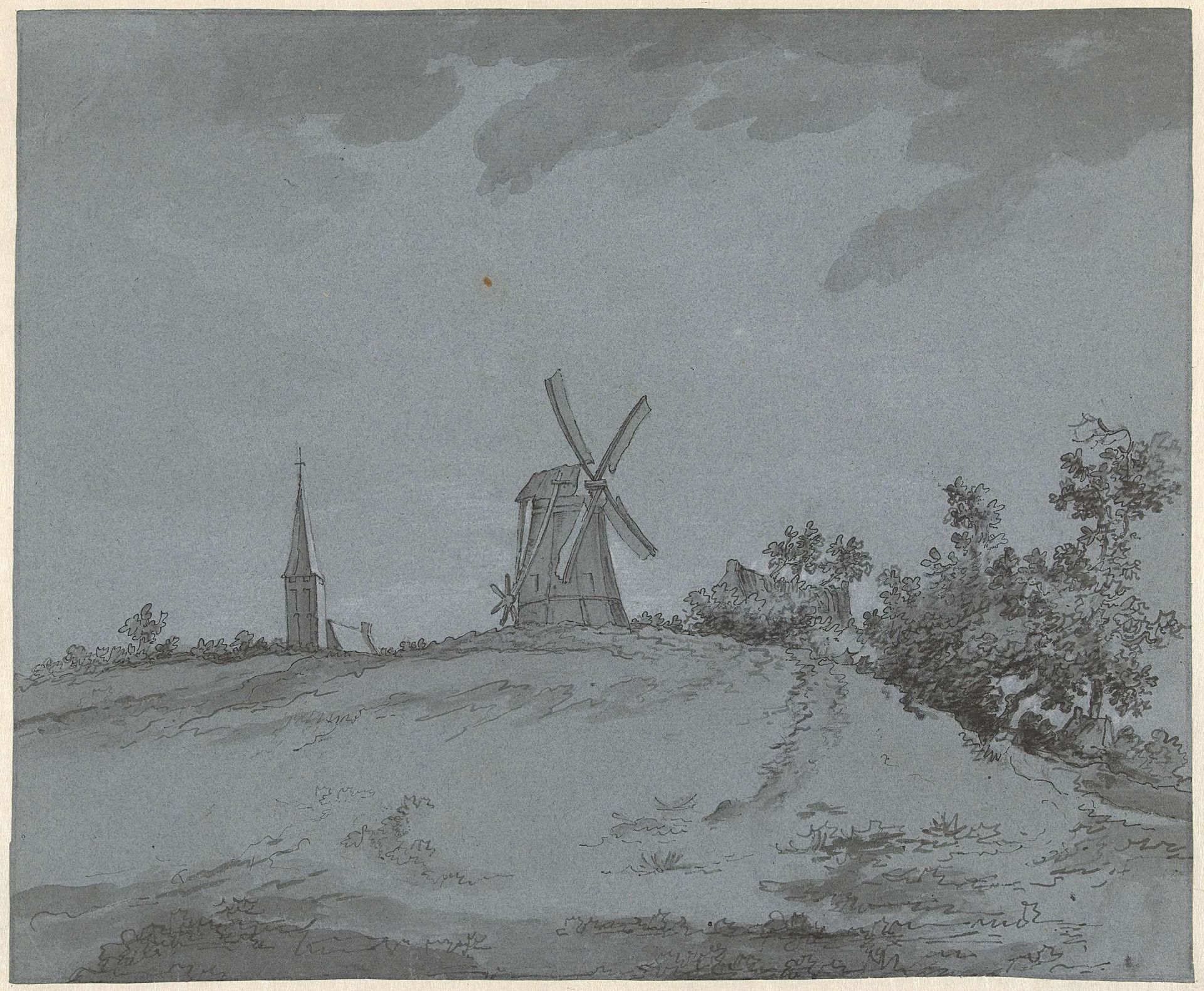
Landschap met windmolen en kerk op een heuvel

Jacob Ernst Marcus
1774 - 1826Location
RijksmuseumListen to curator's interpretation
Curatorial notes
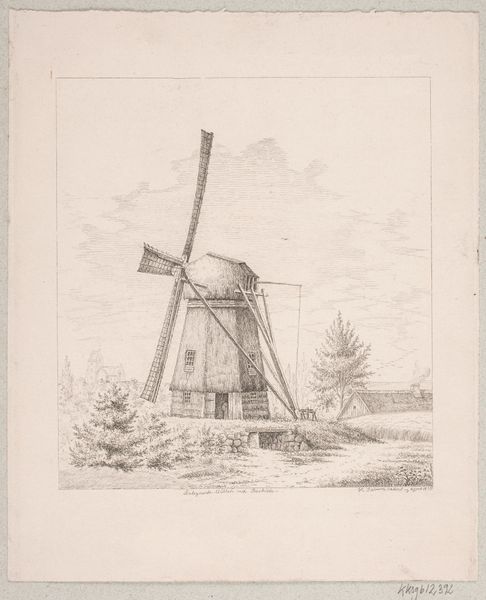
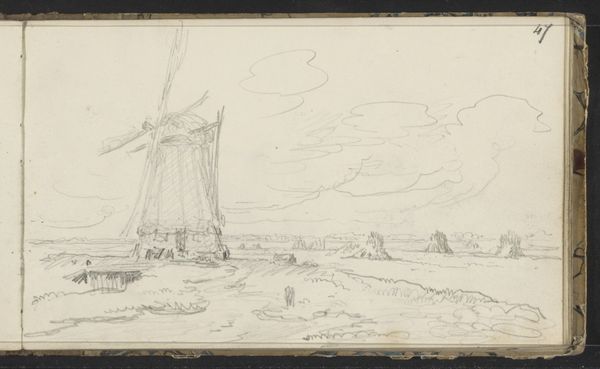
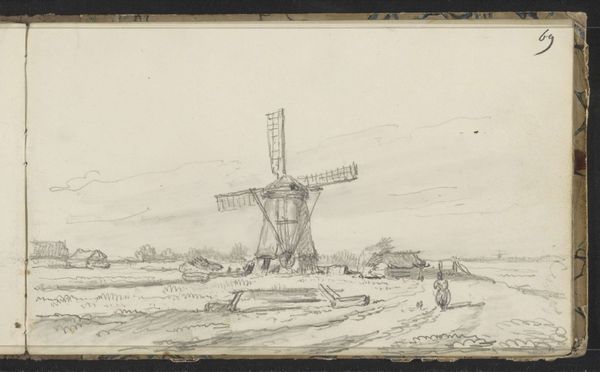
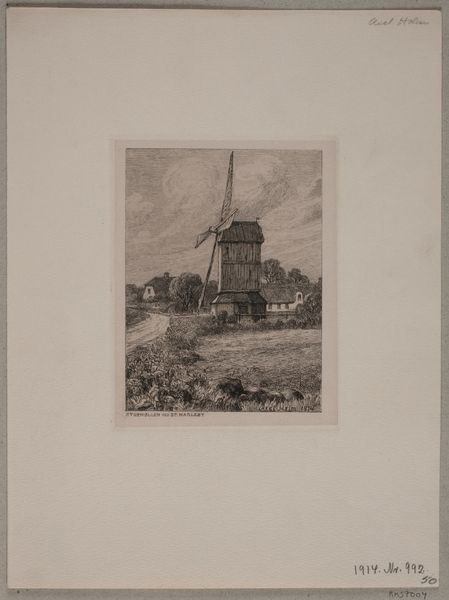
Jacob Ernst Marcus created this drawing of a Dutch landscape with ink and brush. Rising together on the hill, a church and windmill stand as prominent symbols of Dutch identity. The windmill, a crucial feature of the landscape, isn't just a practical structure for milling grain. It is also a symbol of the Dutch Golden Age, evoking themes of industry and prosperity. The church, with its pointed spire, suggests a spiritual anchor, deeply rooted in the community's collective psyche. These motifs resonate across epochs. Think of how the cross, once a symbol of personal and collective suffering, has been reimagined as a beacon of hope and redemption. Similarly, the windmill transcends its functional role, becoming a vessel filled with cultural and emotional significance, its presence a powerful echo across the annals of history. These symbols serve as conduits, channeling cultural memory into our subconscious. The image engages us on a deeply emotional level. These monuments have been passed down through history, resurfacing, evolving, and taking on new meanings in different contexts.