About this artwork
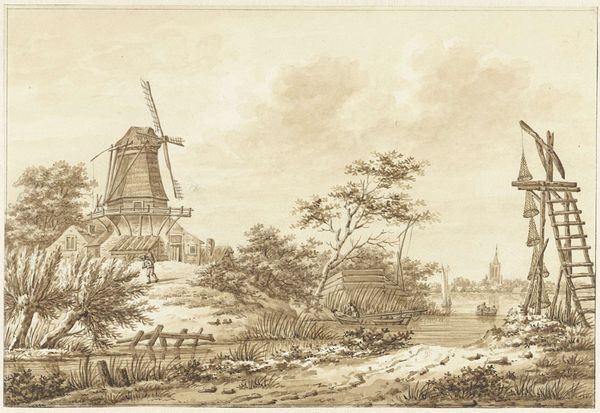
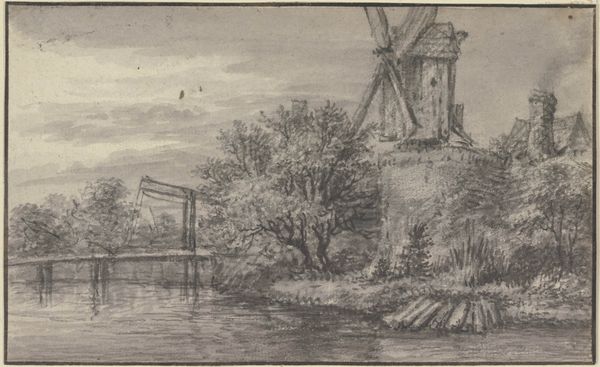
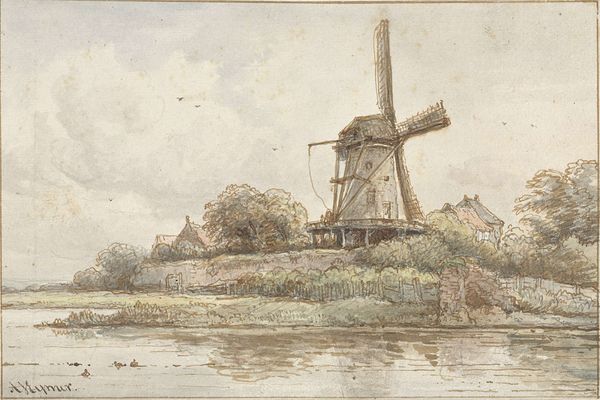
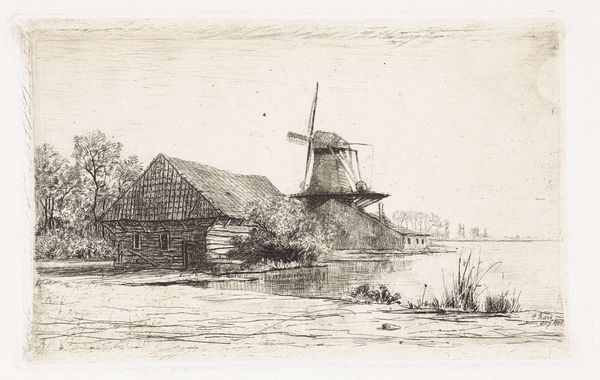
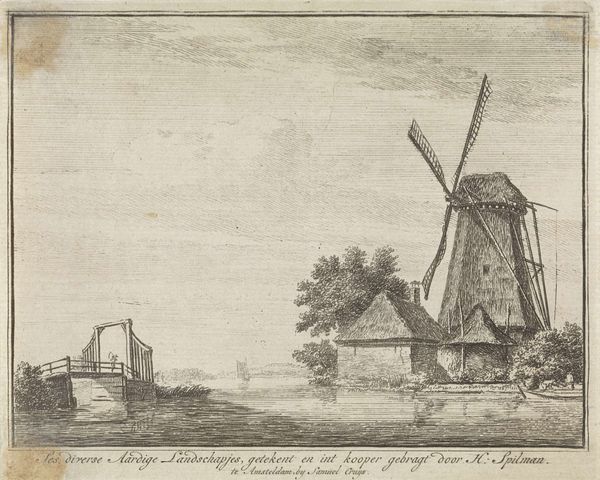
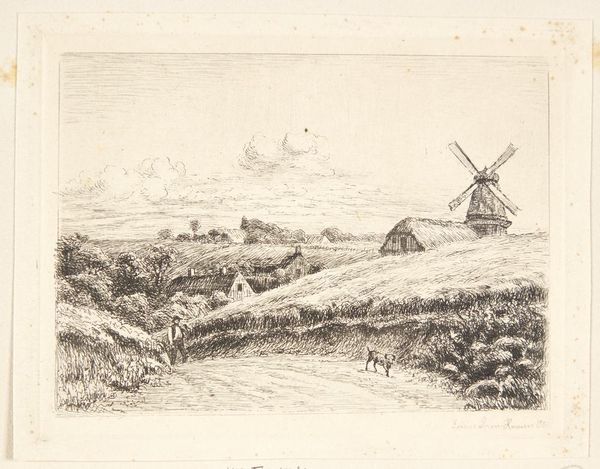
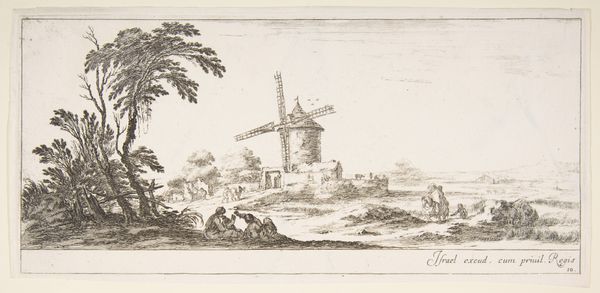
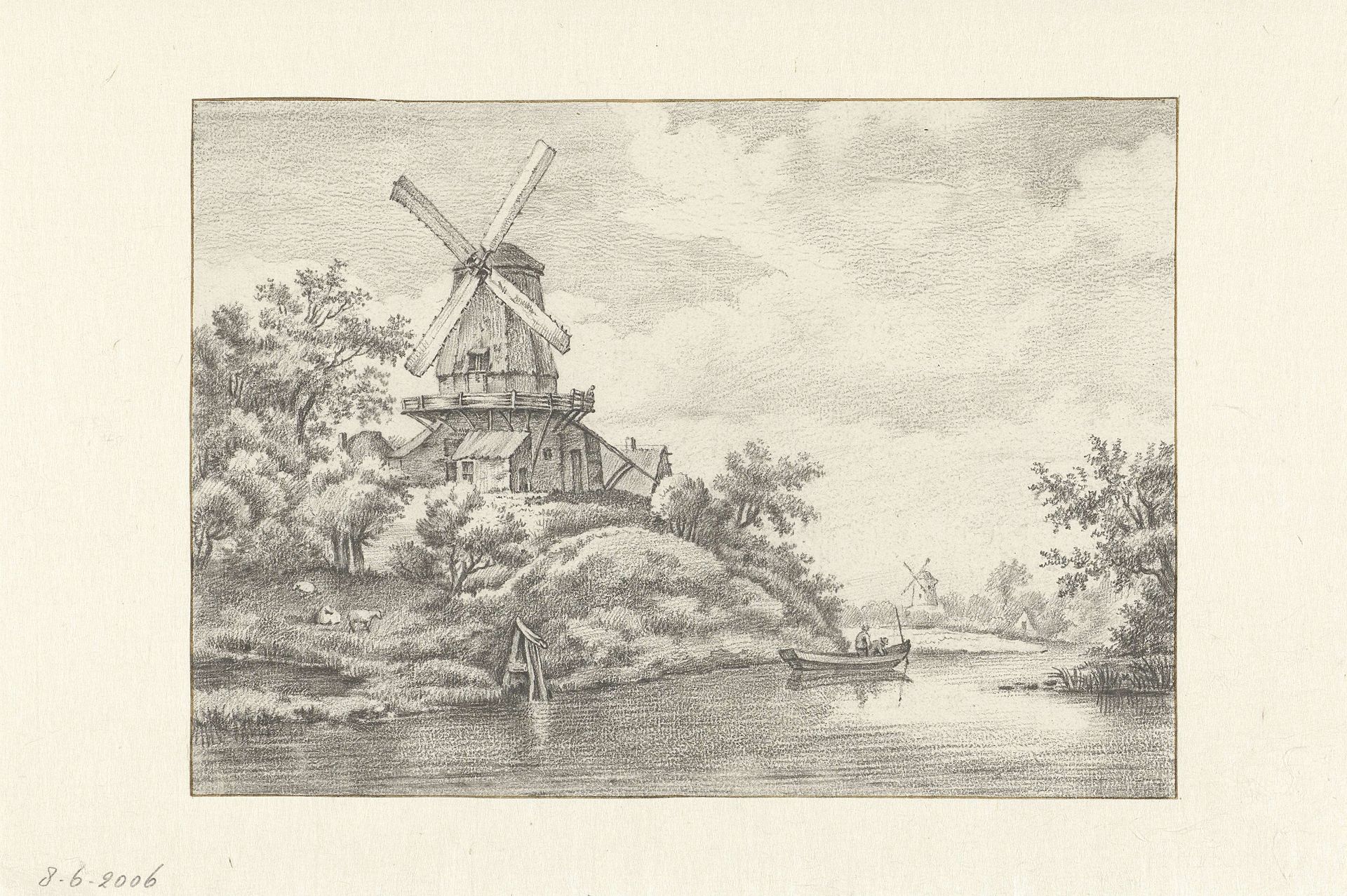
This drawing by Gerrit Hulseboom depicts a serene landscape dominated by a windmill atop a city wall. Windmills, throughout history, have been symbols of man's attempt to harness nature, a Promethean endeavor if you will. The windmill's presence here invokes a deep, subconscious connection to folklore, reminiscent of giants and mythical battles. Think of Don Quixote tilting at windmills, a symbol of the eternal struggle between man and the world around him. Interestingly, we see windmills in Persian civilizations as early as the 7th century. But as these mechanical structures move across time, their meaning evolves. The cyclical nature of the sails also brings to mind ancient symbols of the wheel, indicative of the passage of time and the seasons. The enduring presence of the windmill in art reminds us of our continuous dialogue with nature.

Artwork details
- Medium
- drawing, pencil
- Dimensions
- height 180 mm, width 254 mm
- Copyright
- Rijks Museum: Open Domain
Tags
Comments
Share your thoughts
About this artwork
This drawing by Gerrit Hulseboom depicts a serene landscape dominated by a windmill atop a city wall. Windmills, throughout history, have been symbols of man's attempt to harness nature, a Promethean endeavor if you will. The windmill's presence here invokes a deep, subconscious connection to folklore, reminiscent of giants and mythical battles. Think of Don Quixote tilting at windmills, a symbol of the eternal struggle between man and the world around him. Interestingly, we see windmills in Persian civilizations as early as the 7th century. But as these mechanical structures move across time, their meaning evolves. The cyclical nature of the sails also brings to mind ancient symbols of the wheel, indicative of the passage of time and the seasons. The enduring presence of the windmill in art reminds us of our continuous dialogue with nature.
Comments
Share your thoughts