1862 - 1895
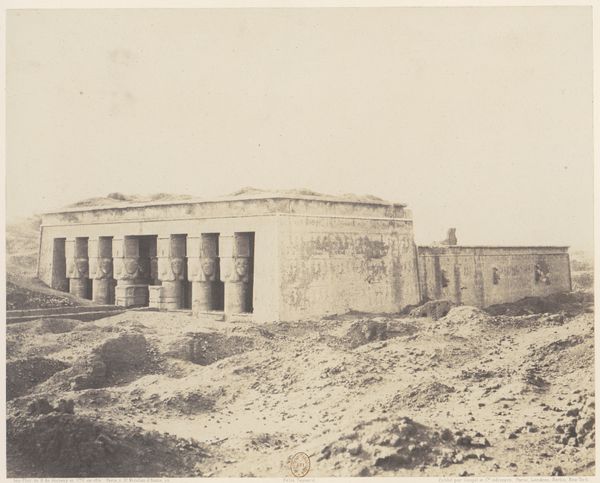
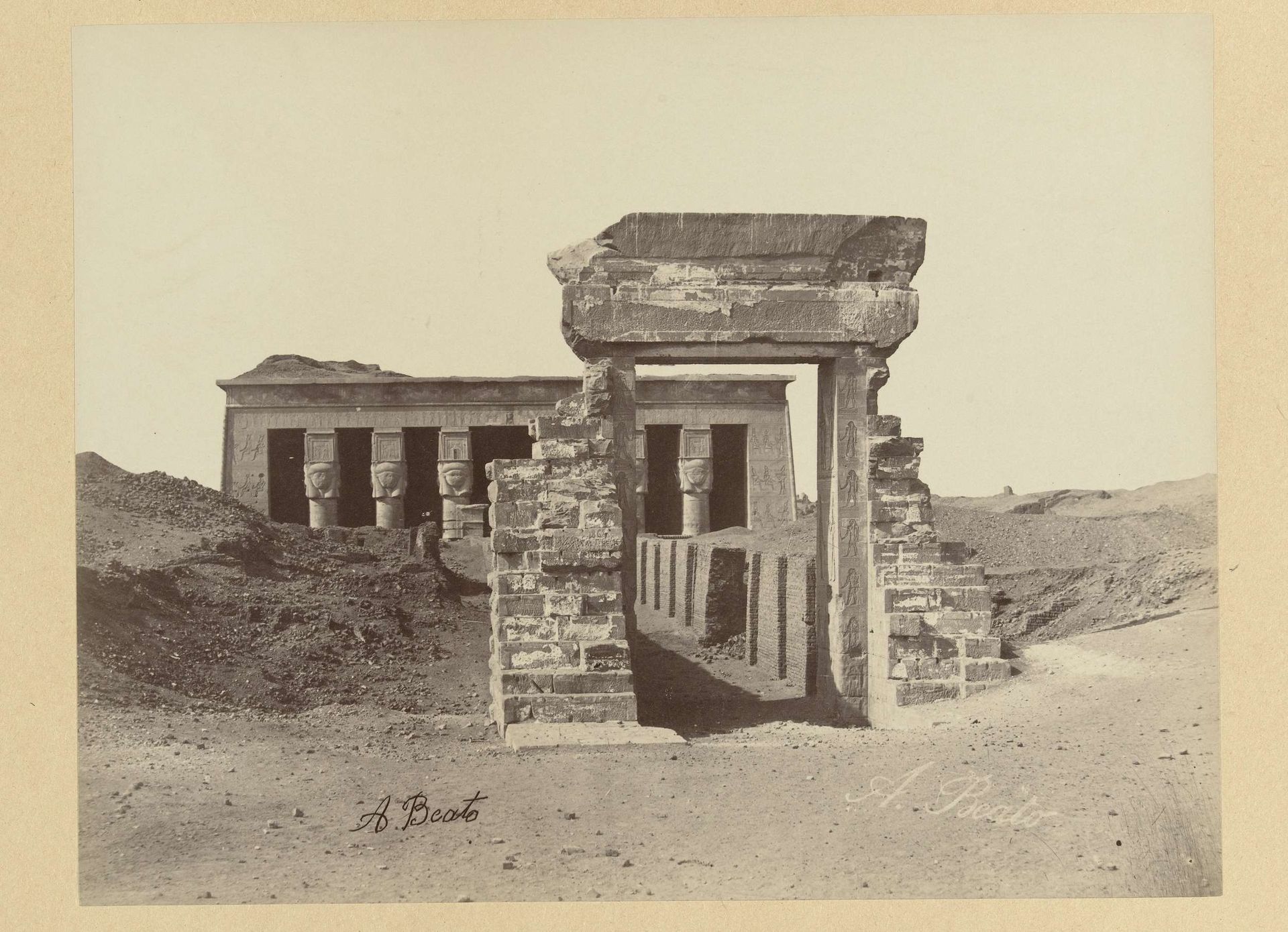
Restanten van het tempelcomplex van Dendera

Antonio Beato
1834 - 1906Location
RijksmuseumListen to curator's interpretation
Curatorial notes
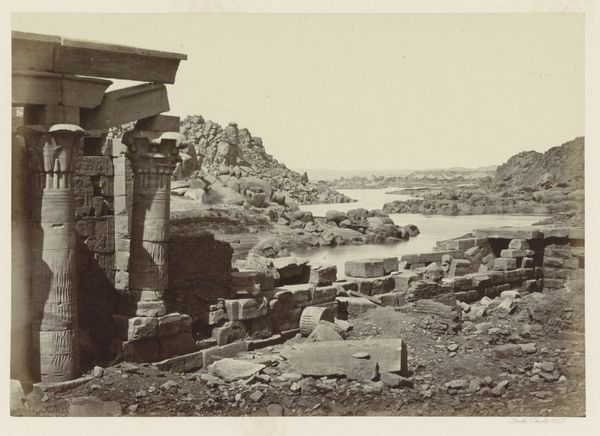
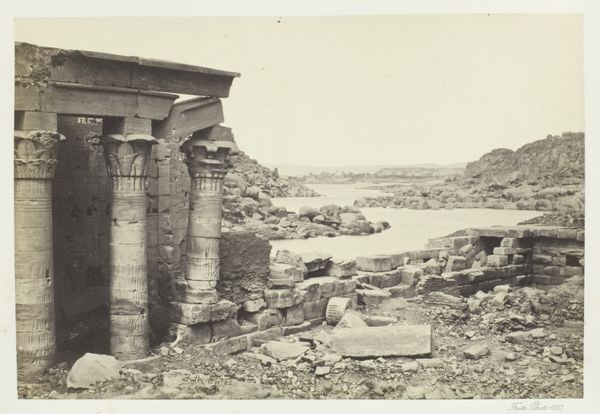
This photograph captures Antonio Beato's view of the temple complex of Dendera. The imposing columns, each adorned with the head of Hathor, goddess of love, music, and motherhood, dominate the structure, reflecting the temple’s sacred purpose. Consider these Hathor-headed columns. Their symbolism has roots far back in human history, echoing the ancient reverence for the maternal figure. From the Paleolithic Venuses to the Madonnas of the Renaissance, the mother archetype has been a recurring motif, representing fertility, protection, and nurturing. The Hathor columns, then, are part of this enduring tradition. The Hathor columns have undergone a fascinating evolution over time. In ancient Egypt, Hathor was closely associated with royalty and cosmic order, but as cultures interacted, her attributes melded with those of other goddesses, such as Isis and Aphrodite. This fusion reflects the human tendency to synthesize and adapt symbols, revealing our collective subconscious at play. In its ruined state, the temple engages us on a primal level. These pillars stand as a testament to the enduring power of human emotions, echoing through time and still moving us today.