About this artwork
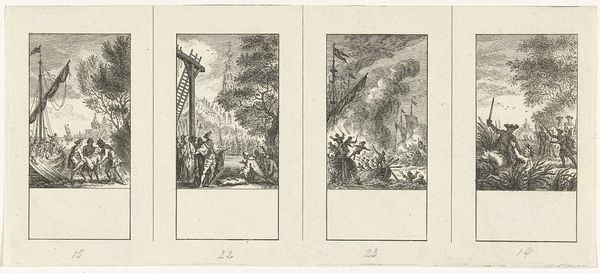
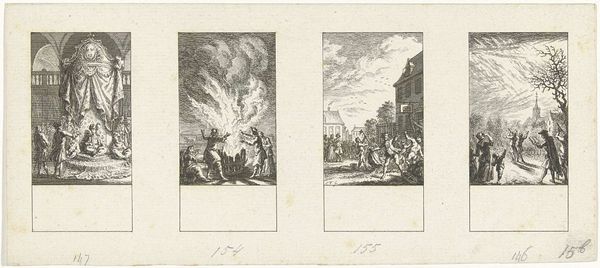
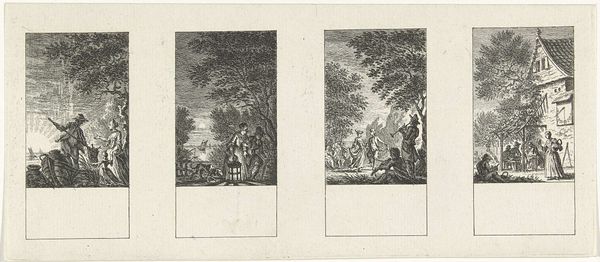
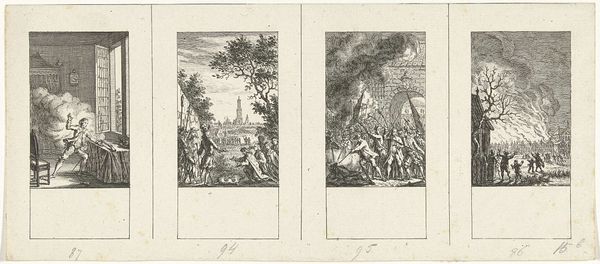
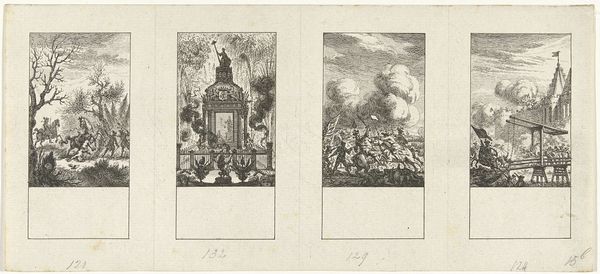
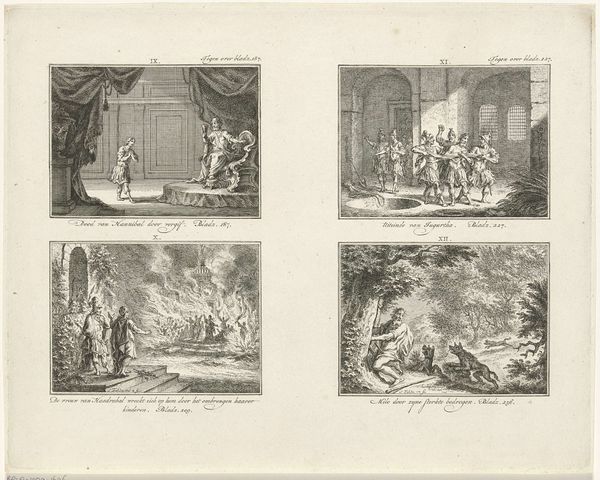
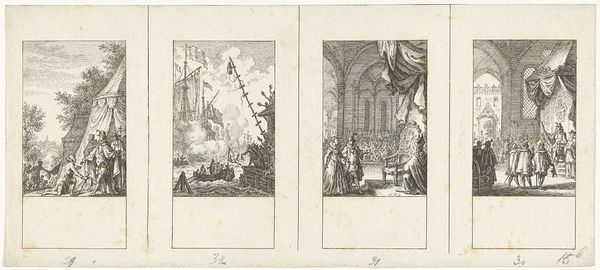
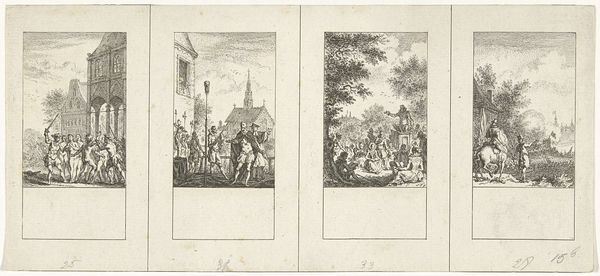
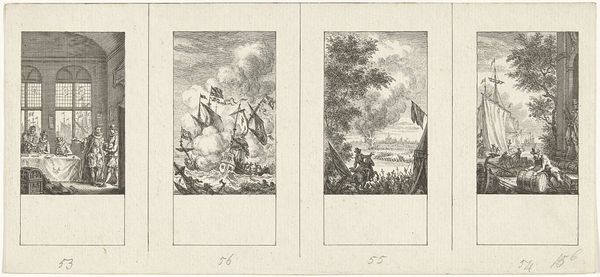
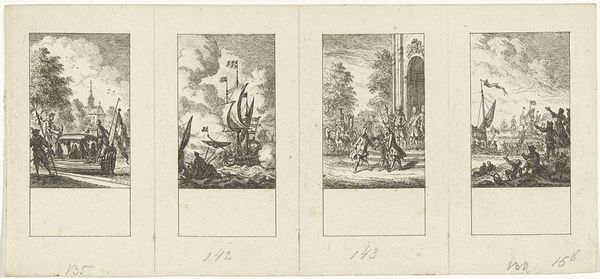
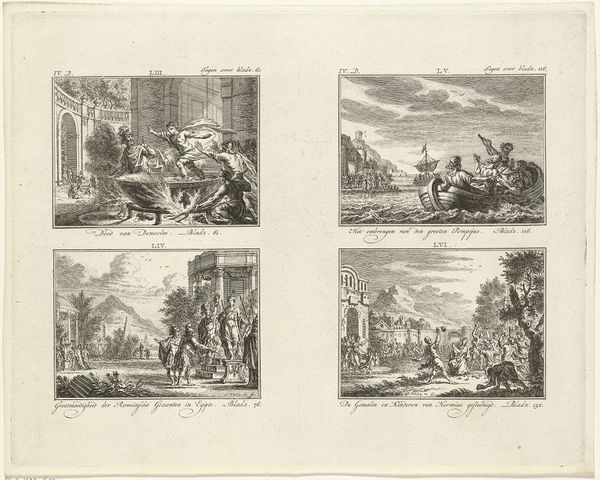
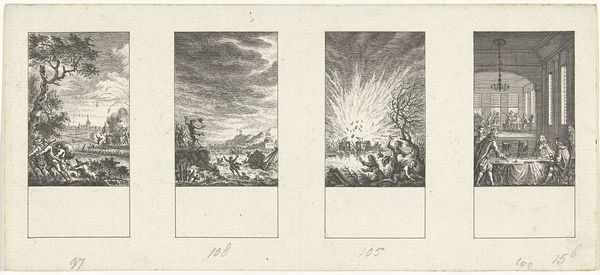
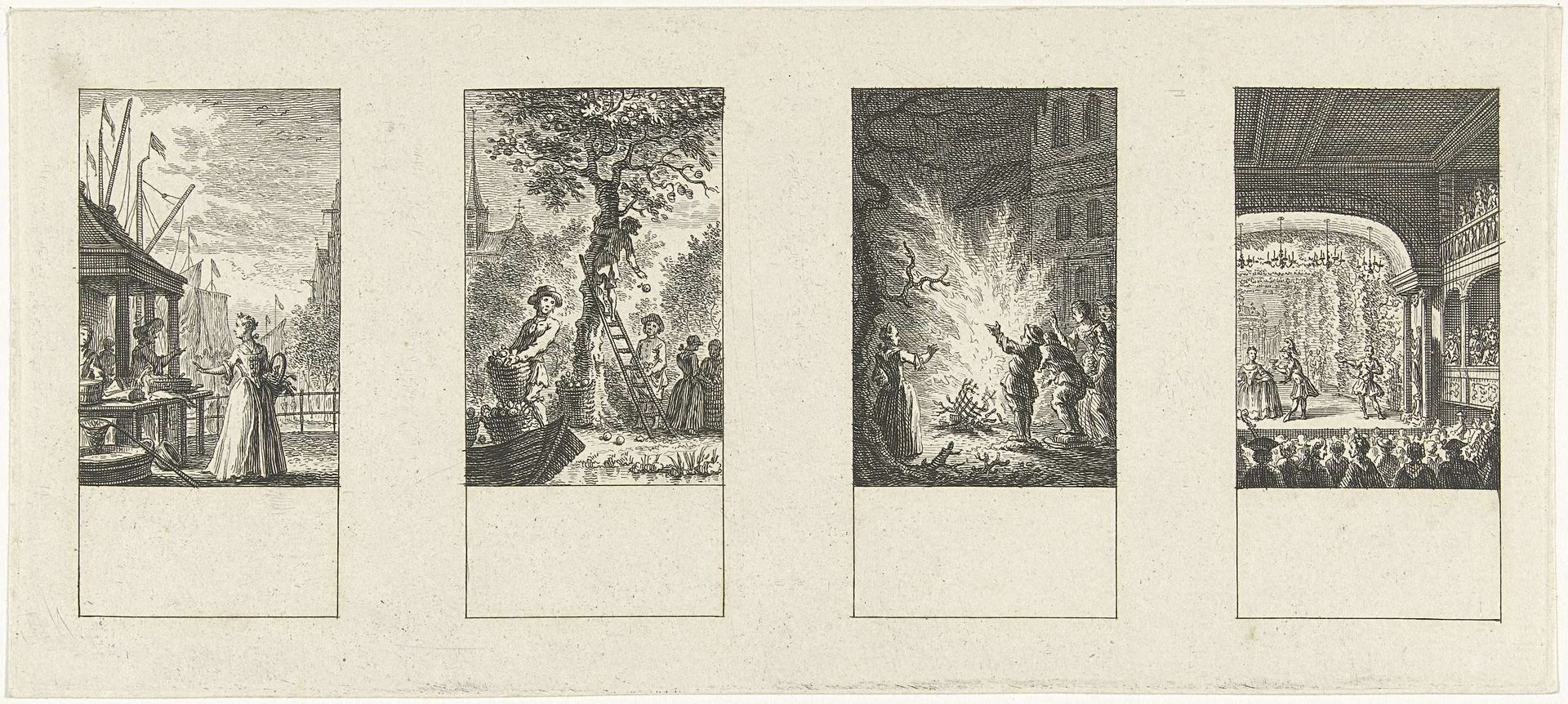
Simon Fokke made this print, depicting four months of the year, using etching. Prints like these were common in the Netherlands during the 18th century, and were primarily produced for an expanding middle class. They reflected the cultural values of the time, emphasizing the importance of seasonal activities and observations. The print offers us a glimpse into the social rituals associated with different times of the year: October may refer to the autumn harvest and November to Saint Martin's day. February might be a bonfire and the theatre depicts March. We need to ask questions to find out the context of this image. As historians, our job is to dig deeper, to unearth the meanings that might have been clear to Fokke’s contemporaries. We could look at period literature, almanacs, and other visual sources to understand the symbolism embedded in these monthly representations. By understanding how these images were made, circulated, and received, we can gain a richer understanding of 18th-century Dutch society and the role of art within it.
Vier voorstellingen van de maanden oktober, november, februari, maart
1722 - 1784

Simon Fokke
1712 - 1784Location
RijksmuseumArtwork details
- Medium
- print, engraving
- Dimensions
- height 113 mm, width 252 mm
- Location
- Rijksmuseum
- Copyright
- Rijks Museum: Open Domain
Tags
Comments
Share your thoughts
About this artwork
Simon Fokke made this print, depicting four months of the year, using etching. Prints like these were common in the Netherlands during the 18th century, and were primarily produced for an expanding middle class. They reflected the cultural values of the time, emphasizing the importance of seasonal activities and observations. The print offers us a glimpse into the social rituals associated with different times of the year: October may refer to the autumn harvest and November to Saint Martin's day. February might be a bonfire and the theatre depicts March. We need to ask questions to find out the context of this image. As historians, our job is to dig deeper, to unearth the meanings that might have been clear to Fokke’s contemporaries. We could look at period literature, almanacs, and other visual sources to understand the symbolism embedded in these monthly representations. By understanding how these images were made, circulated, and received, we can gain a richer understanding of 18th-century Dutch society and the role of art within it.
Comments
Share your thoughts