About this artwork
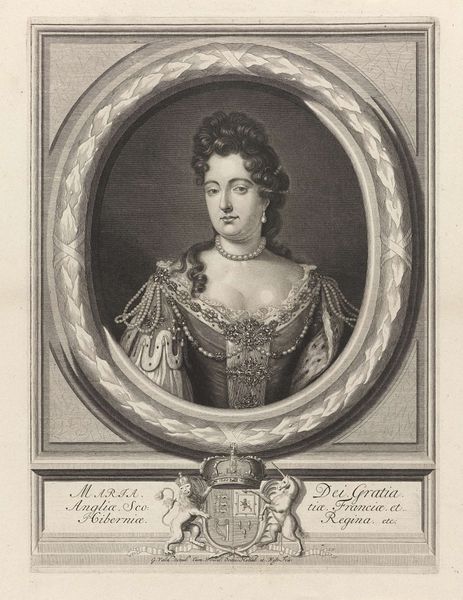
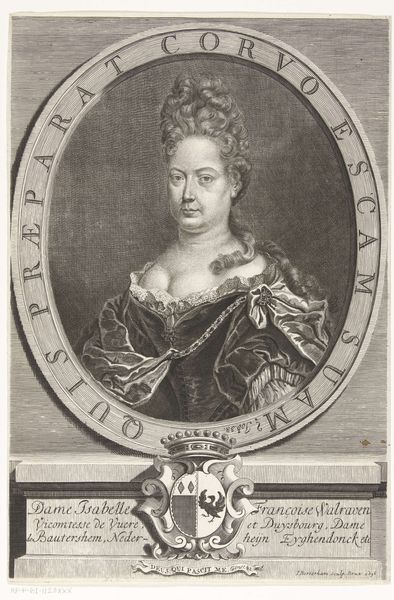
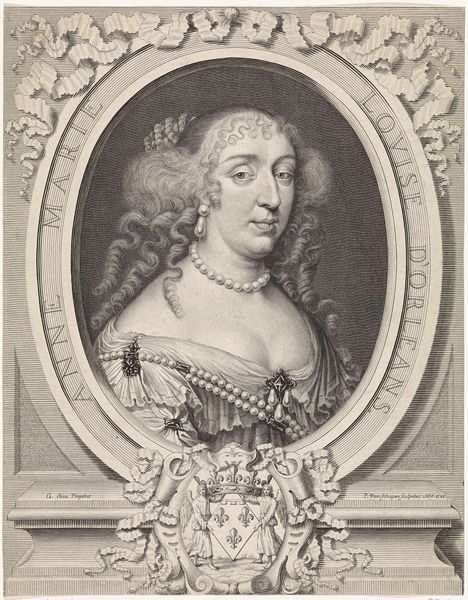
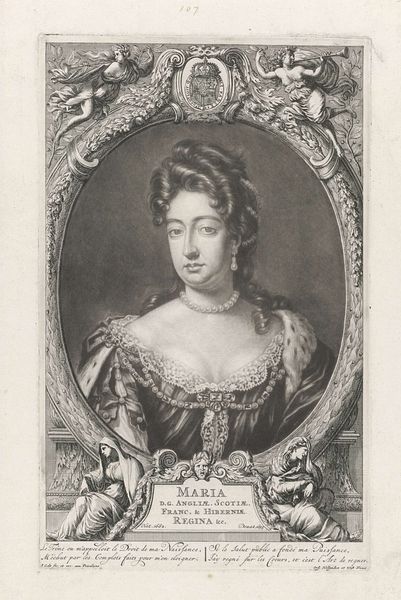
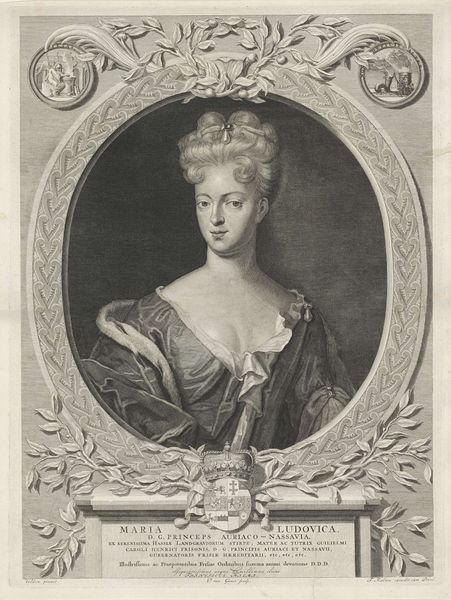
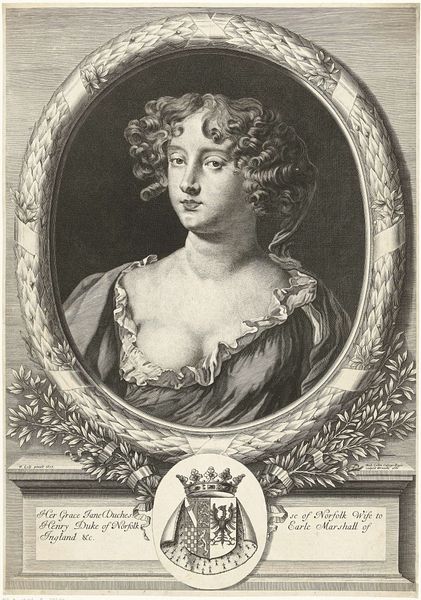
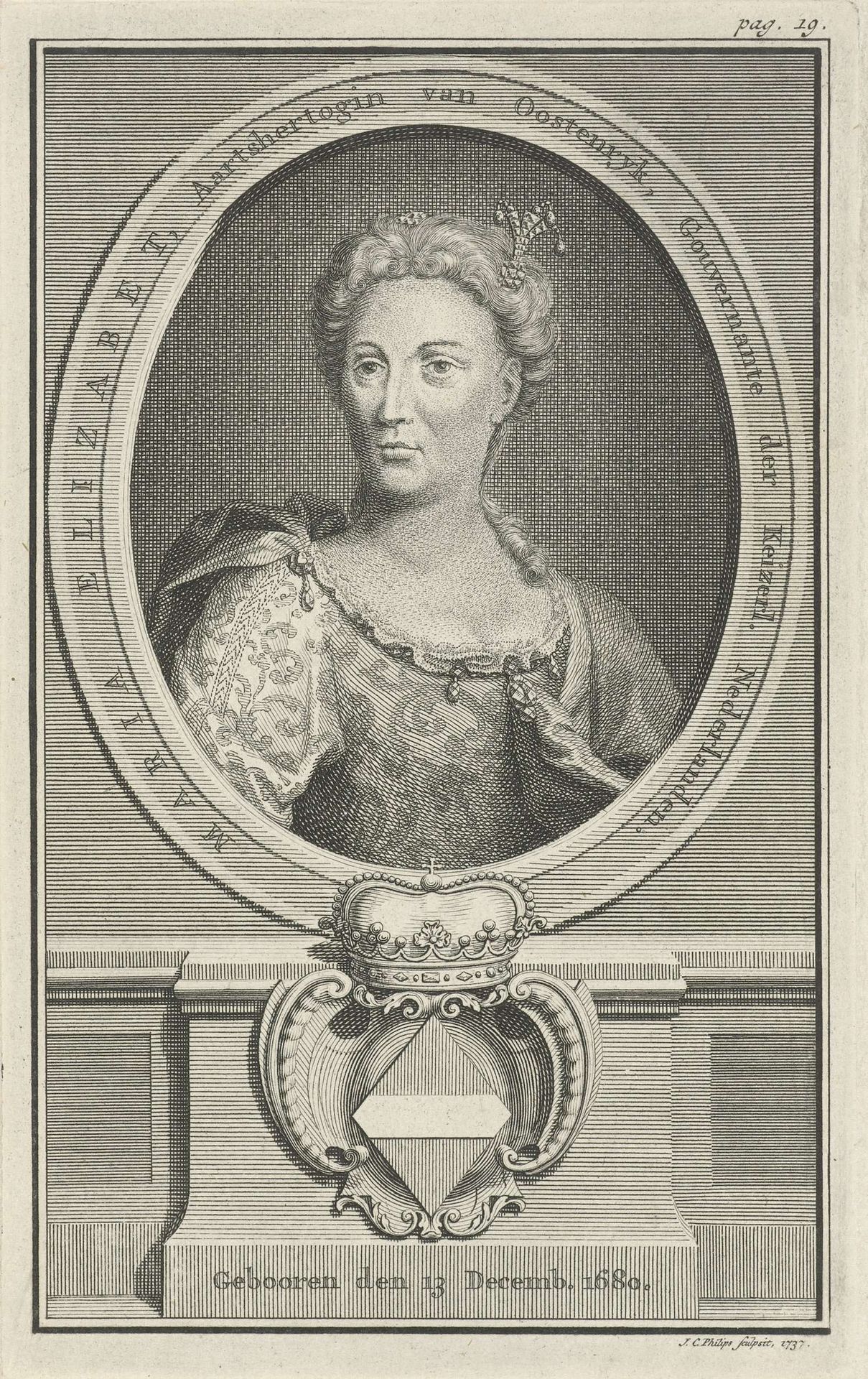
Jan Caspar Philips created this print of Maria Elisabeth in the 18th century. Note the symbols of power displayed: the crown and coat of arms. These are not mere ornaments; they are potent emblems, communicating status and authority. Consider the crown: its circular form echoes a solar disk. The sun, historically a symbol of divine right, has adorned rulers across cultures. From the pharaohs of Egypt to the emperors of Rome, the solar motif reemerges, each time subtly altered, yet retaining its fundamental essence. The diamond shape in the coat of arms below can be found across different dynasties, carrying different significations. These symbols reflect the complex interplay between conscious design and unconscious collective memory. The artists draw on historical motifs, creating symbols that stir something deep within us, reminding us of humanity's timeless quest for order and meaning.
Portret van Maria Elisabeth Lucia Theresia Jozefa
1737

Jan Caspar Philips
1700 - 1775Location
RijksmuseumArtwork details
- Medium
- engraving
- Dimensions
- height 175 mm, width 111 mm
- Location
- Rijksmuseum
- Copyright
- Rijks Museum: Open Domain
Tags
Comments
Share your thoughts
About this artwork
Jan Caspar Philips created this print of Maria Elisabeth in the 18th century. Note the symbols of power displayed: the crown and coat of arms. These are not mere ornaments; they are potent emblems, communicating status and authority. Consider the crown: its circular form echoes a solar disk. The sun, historically a symbol of divine right, has adorned rulers across cultures. From the pharaohs of Egypt to the emperors of Rome, the solar motif reemerges, each time subtly altered, yet retaining its fundamental essence. The diamond shape in the coat of arms below can be found across different dynasties, carrying different significations. These symbols reflect the complex interplay between conscious design and unconscious collective memory. The artists draw on historical motifs, creating symbols that stir something deep within us, reminding us of humanity's timeless quest for order and meaning.
Comments
Share your thoughts