1772 - 1779
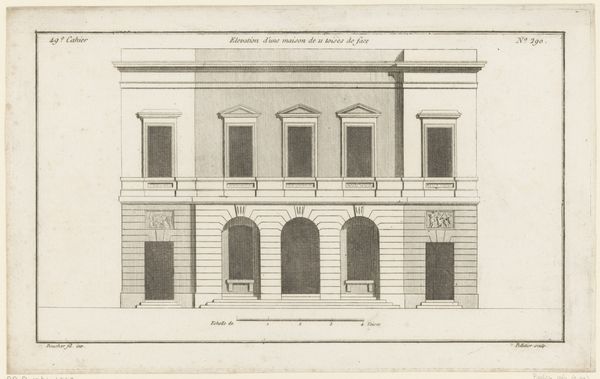
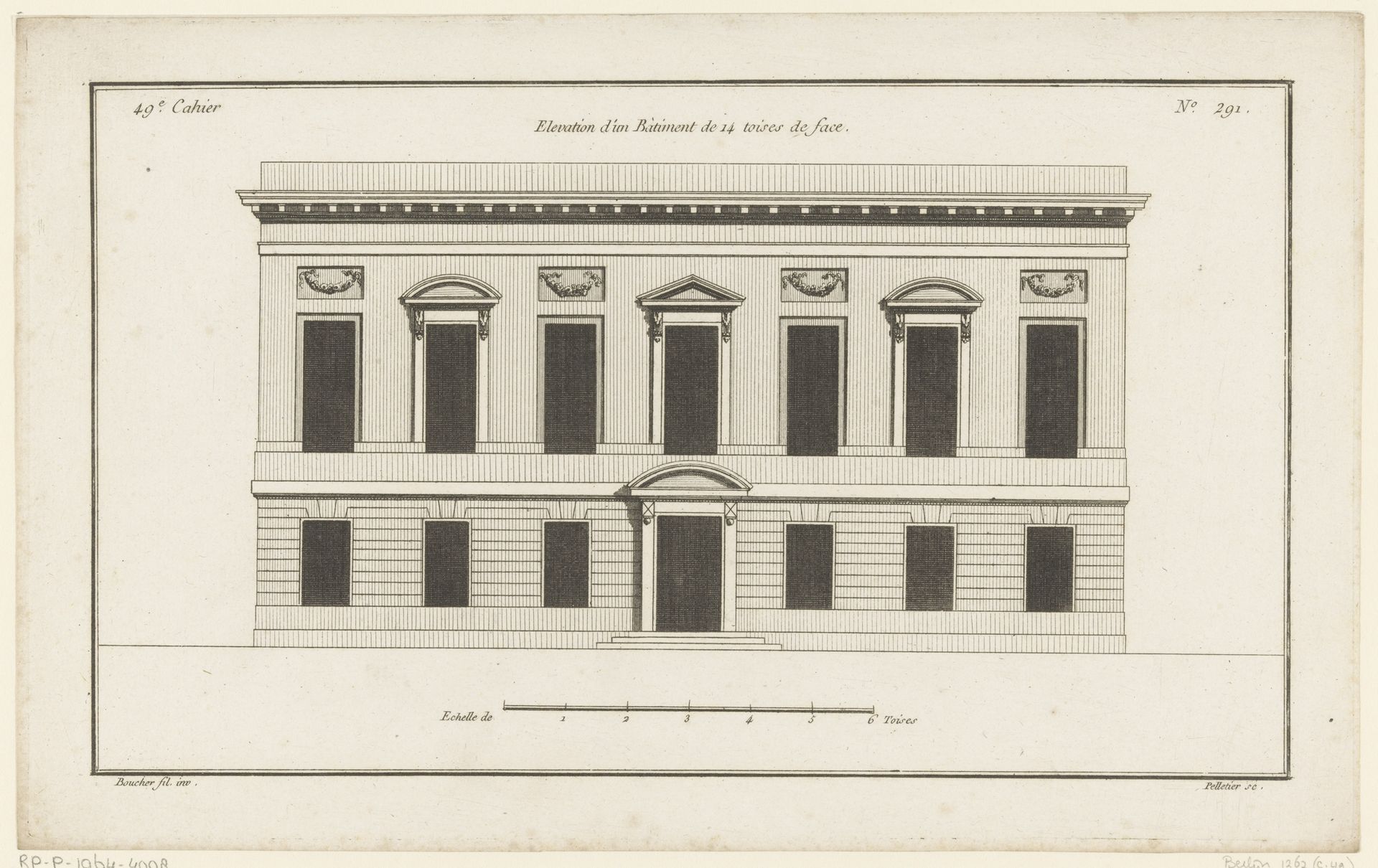
Façade met frontons

Jean Pelletier
1736Location
RijksmuseumListen to curator's interpretation
Curatorial notes
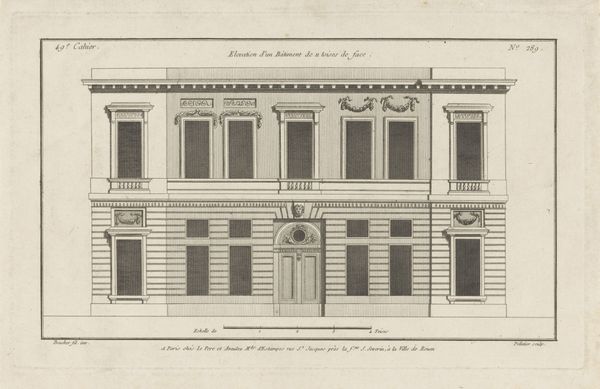
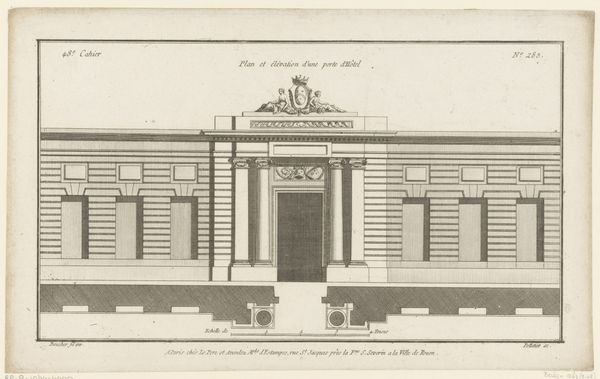
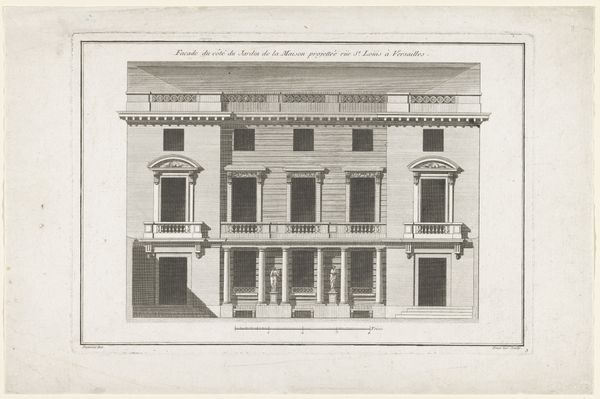
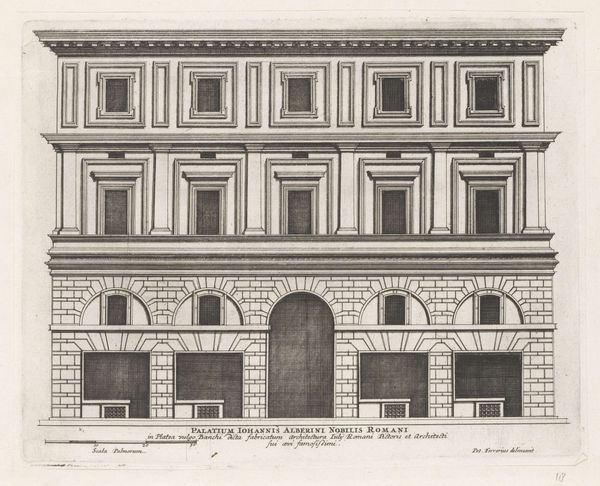
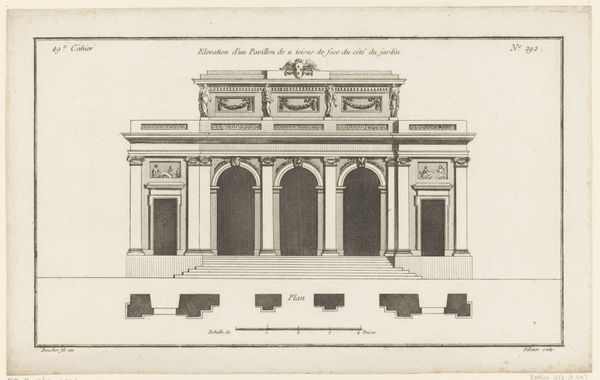
Jean Pelletier made this print, Façade met frontons, using etching around 1760 in France. It illustrates the front of a building with regular windows, classical pediments, and horizontal divisions. Pelletier’s elevation captures the ambitions of the French architectural establishment at the time. The orderly design, based on classical principles, spoke of a desire to stabilize society through rational design during a period of social upheaval. By enshrining classical ideas, institutions like the Académie Royale d’Architecture sought to shape taste and promote a unified vision of French culture. The print also gives us insight into the politics of imagery during the Enlightenment, a time when the authority of institutions such as the French monarchy and the Catholic church was being questioned. The image acts as a conservative statement of the social order. Examining sources like architectural treatises, academy records, and period writings, enable us to understand the complex interplay between art, power, and society in 18th-century France.