1900 - 1901
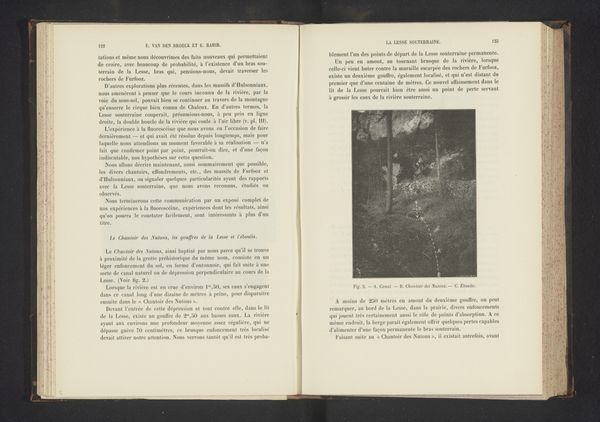
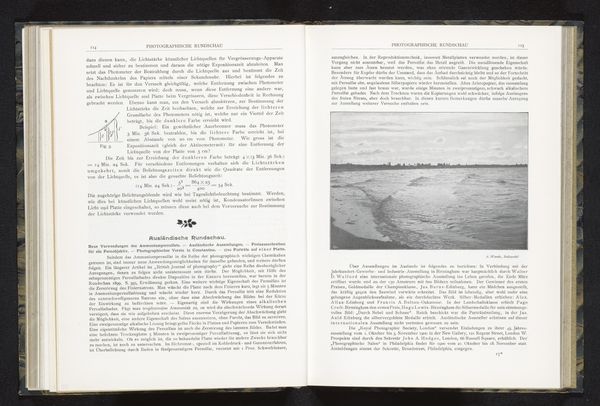
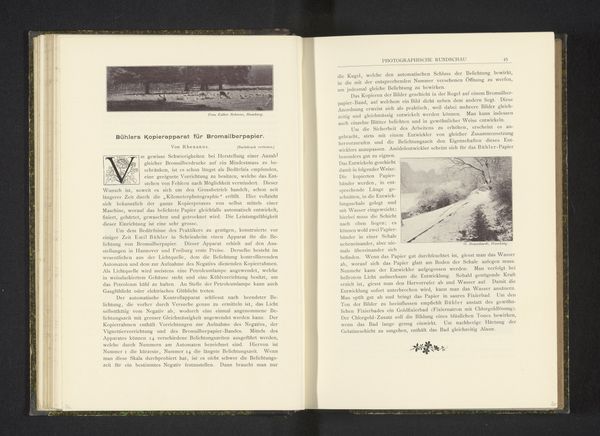
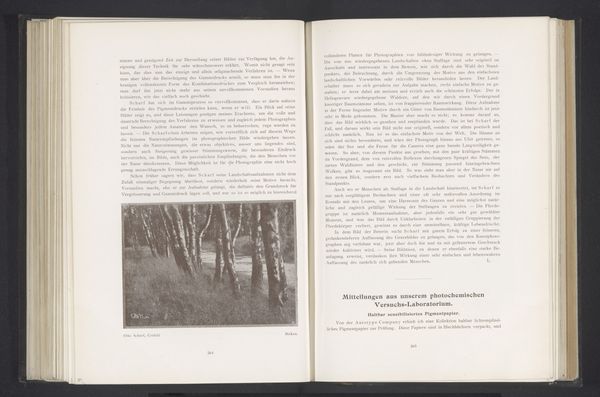
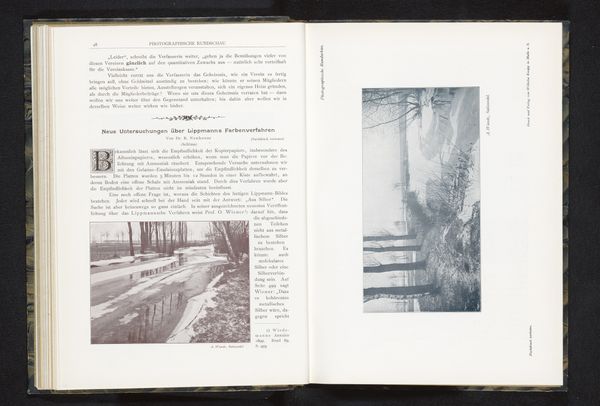
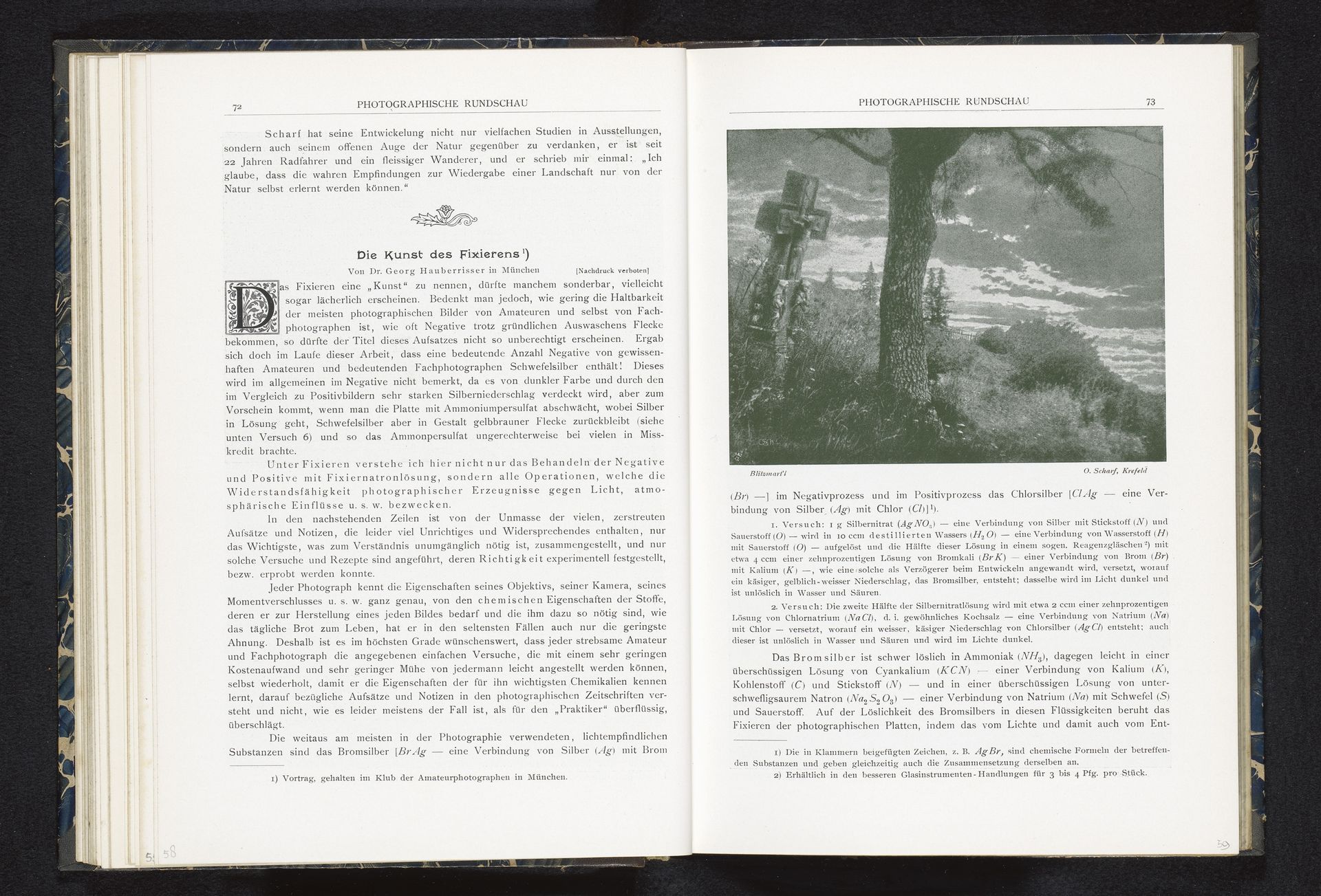
Landschap, met links een sculptuur van Christus aan het kruis

Listen to curator's interpretation
Curatorial notes
Editor: So, here we have Otto Scharf's gelatin-silver print, "Landscape with a sculpture of Christ on the cross to the left," dating from 1900-1901. It has an undeniably somber and somewhat stark feel. What do you see in this piece? Curator: Well, putting it in historical context is key. Around 1900, there was a growing public discourse about industrialization and its impact on nature. Photography was often used as a tool to document and, subtly or overtly, critique these changes. Considering the social anxieties of the era, does the starkness feel less like a personal statement and more like a broader commentary? Editor: That's interesting. So, the seemingly desolate landscape, even with the crucifix, isn't necessarily a religious statement but a social one? Curator: Precisely! And look at where the crucifix is positioned—off-center, almost consumed by the environment. It speaks to a shifting societal relationship with established religion amid rapid modernization. Does this make you rethink the emotional impact? Is it less about individual faith and more about a culture in transition? Editor: I see what you mean. I was initially focusing on the solitary nature of the cross, but the context you're providing changes everything. It shows the power of photographs to engage with important social matters. Curator: Exactly! Art serves as a mirror and sometimes a catalyst, reflecting and shaping public perceptions. Hopefully we learned about photography and it’s function in its social, cultural and institutional setting, its effect in that society. Editor: Absolutely. I now appreciate how photographs engage with larger public themes that surround their creation. It gave me new knowledge on landscape depictions and shifted mentalities from modern history!