before 1900
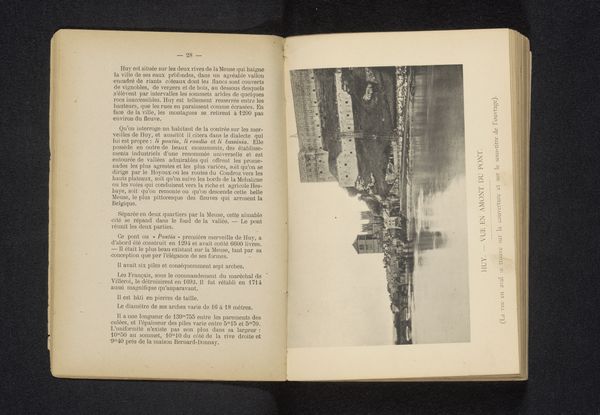
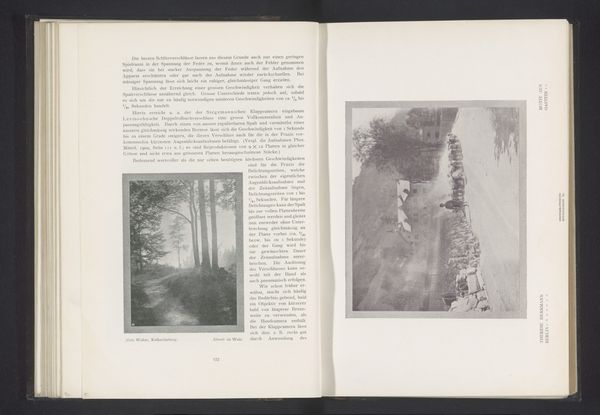
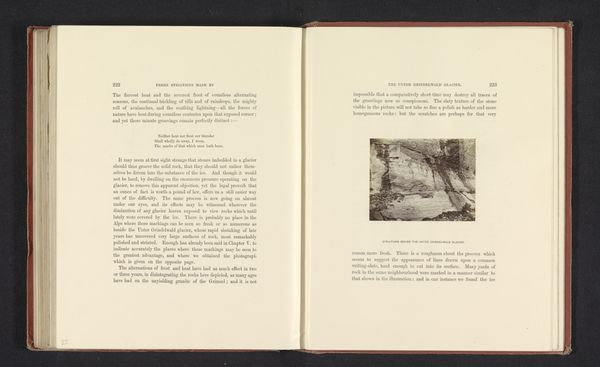
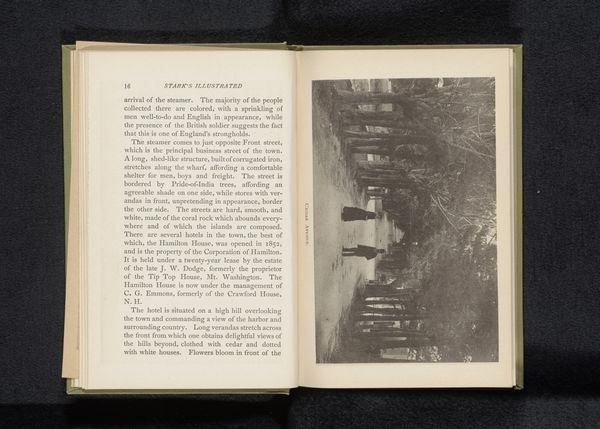
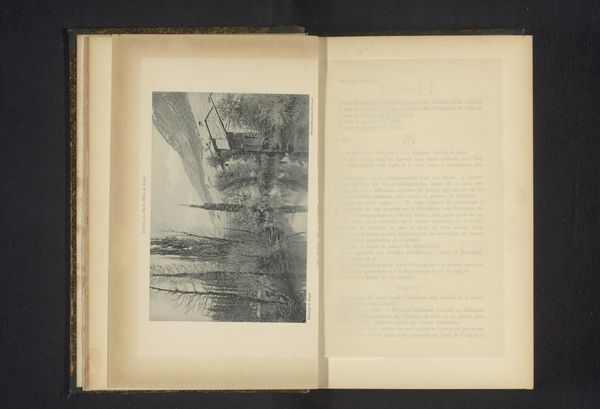
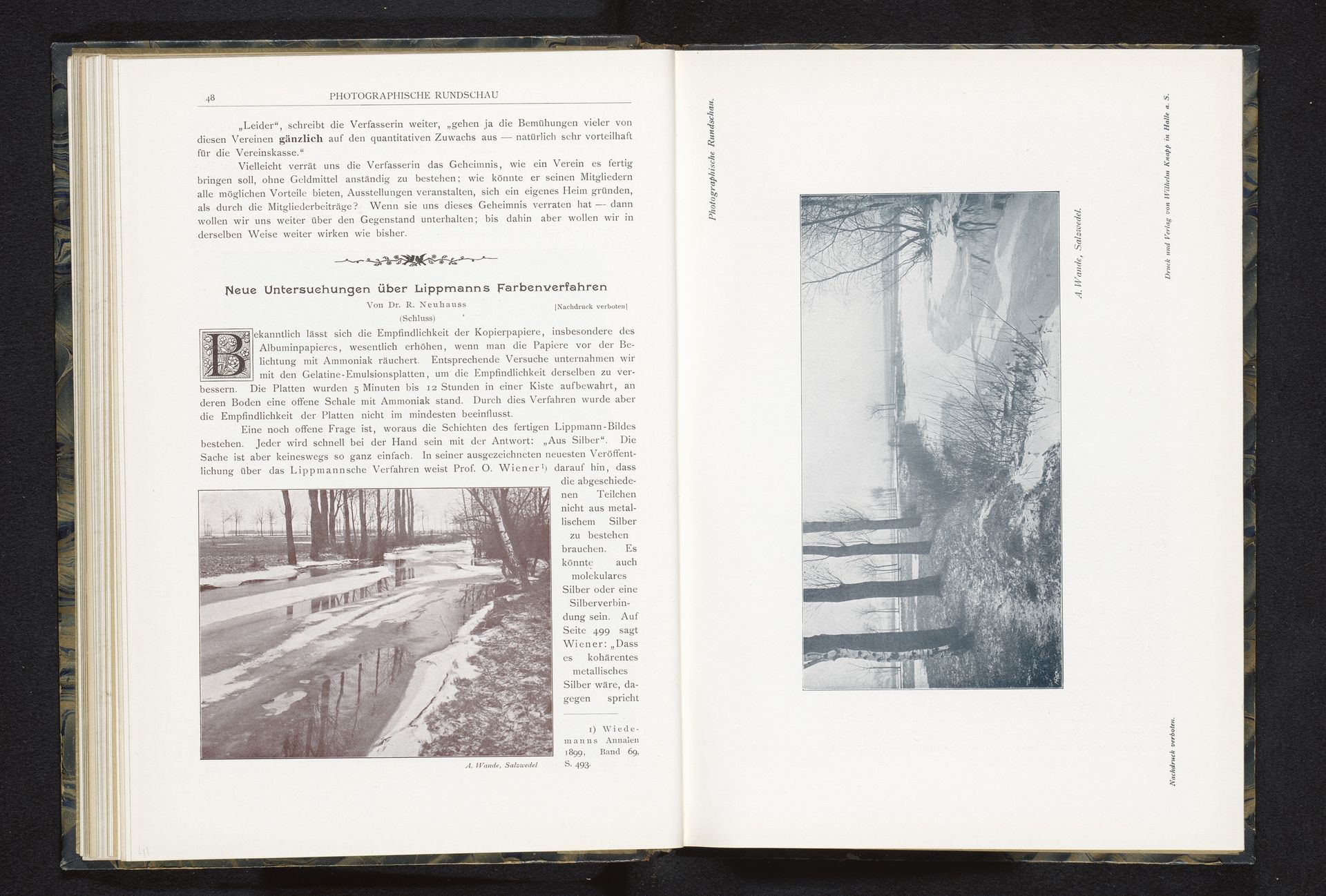
Gezicht op een winters landschap

Listen to curator's interpretation
Curatorial notes
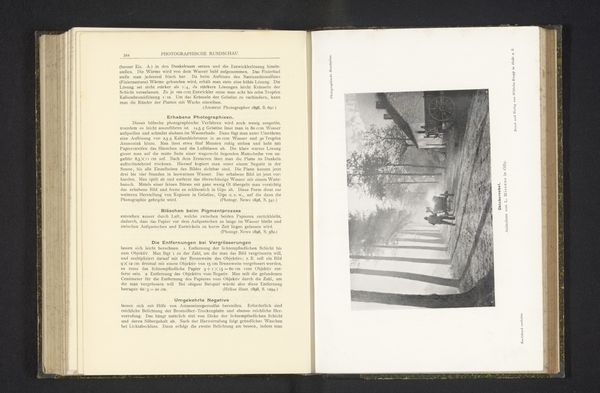
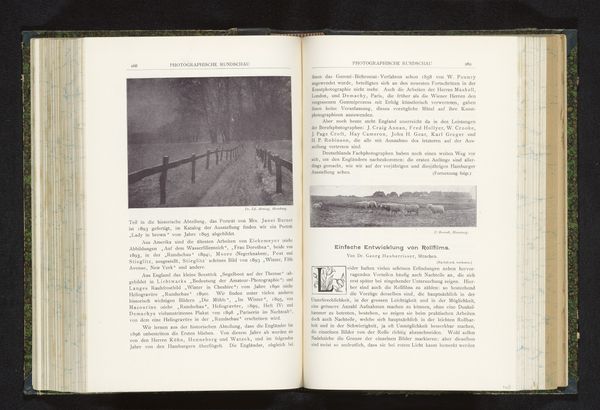
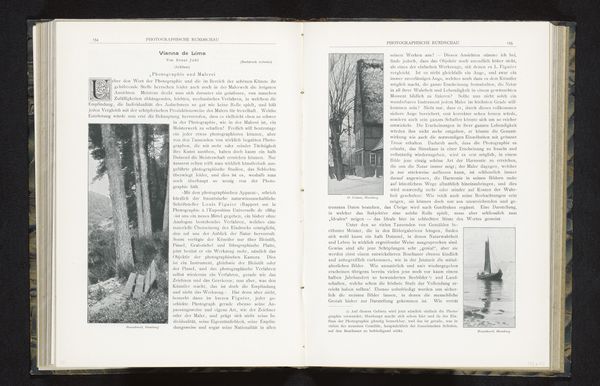
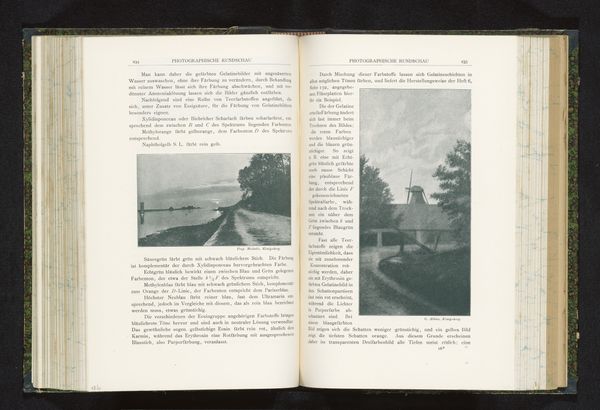
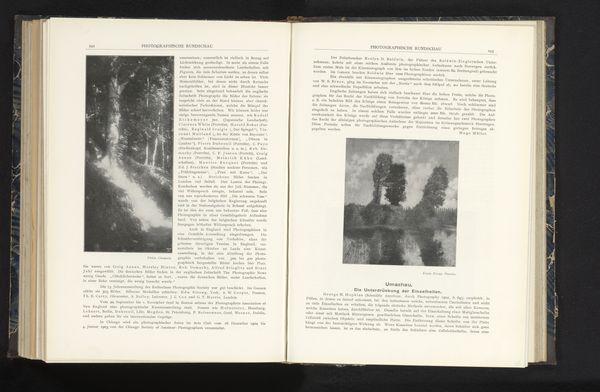
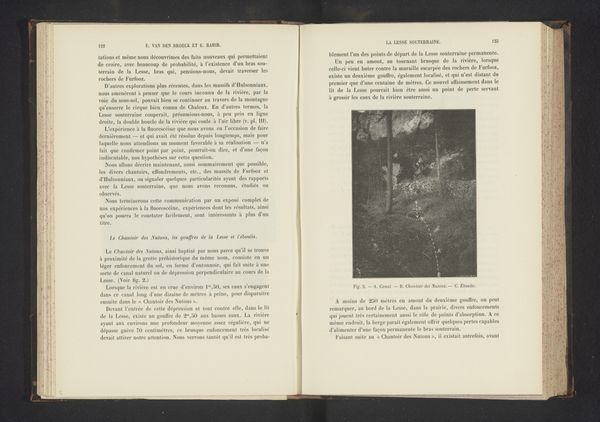
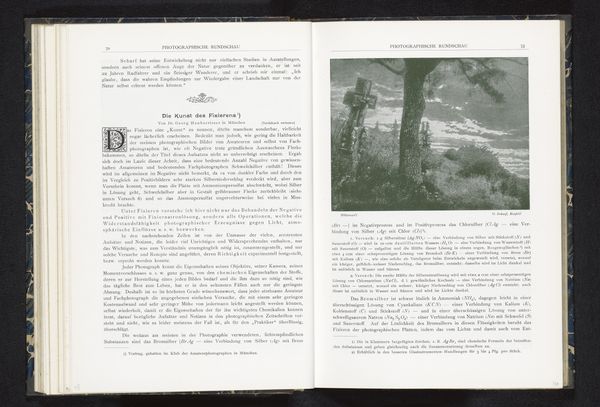
This is A. Wande's "Gezicht op een winters landschap," a photograph mounted in a book. The image, small but evocative, captures a winter landscape. The photographic process itself is key here. This isn't just about what's depicted – snow, trees, and a somber sky. It's about how those elements are captured and transformed through the lens. Photography, unlike painting or sculpture, is indexical. It captures a fleeting moment, a specific arrangement of light and shadow. We are looking at a silver gelatin print. A complex process that requires specific materials such as silver nitrate to be applied to a substrate, and then exposed to light and developed. It also involves a dark room, different chemical baths, and meticulous timing. Consider the social context: photography democratized image-making. For the first time, 'ordinary' people could have their portraits taken, a process that was previously reserved for the wealthy. The photograph, therefore, becomes more than just an image. It's a record of a particular moment, a product of specific industrial processes, and a reflection of broader social and economic shifts. It reminds us that even the most seemingly straightforward images are the result of intricate making and cultural forces.