About this artwork
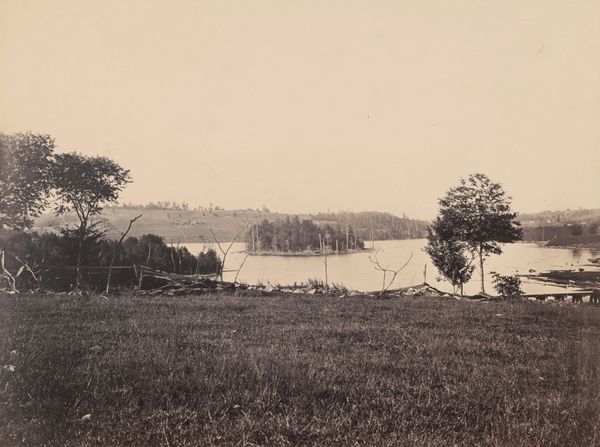
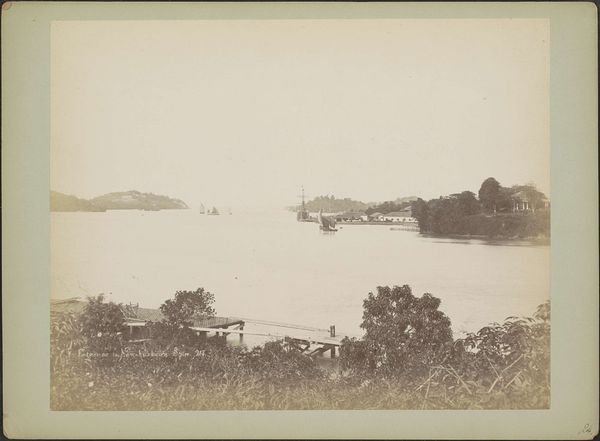
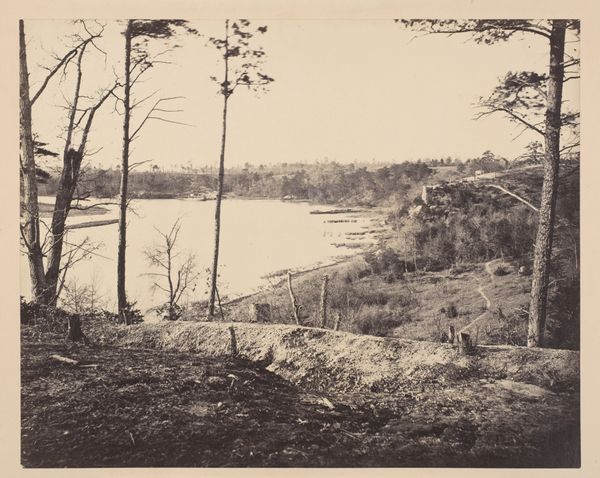
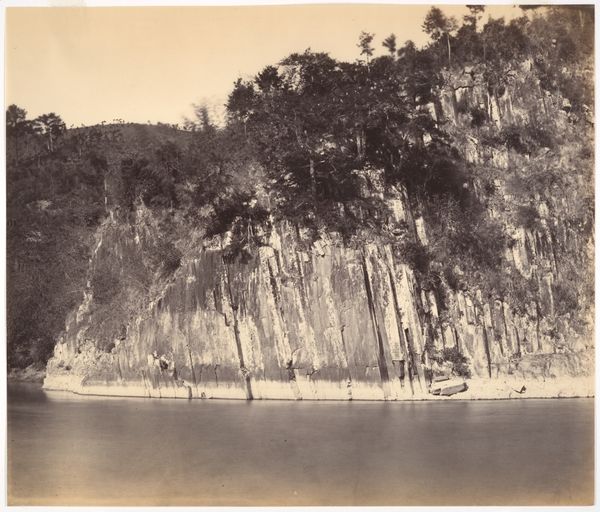
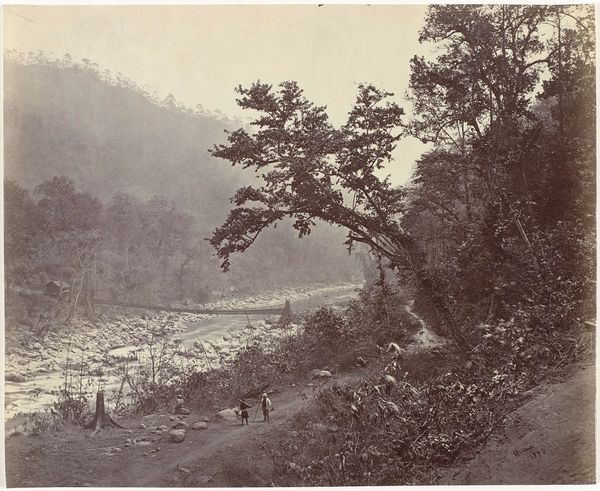
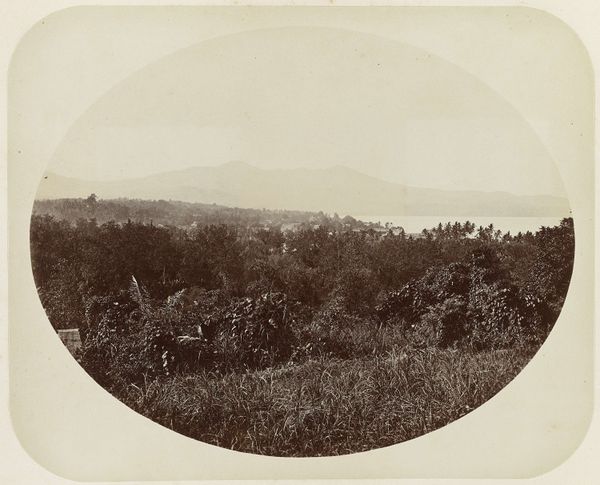
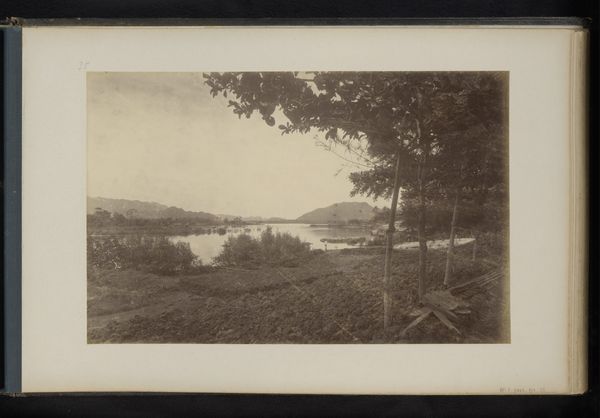
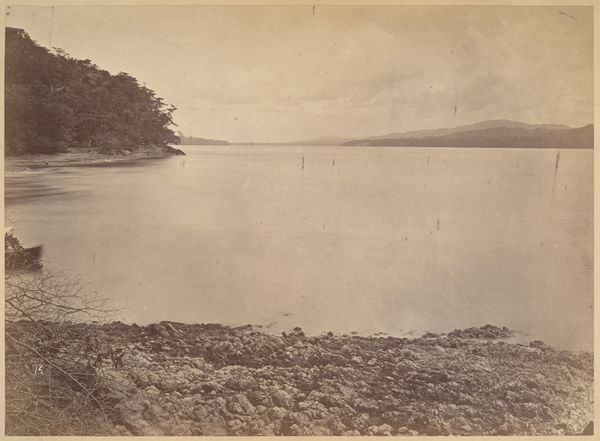
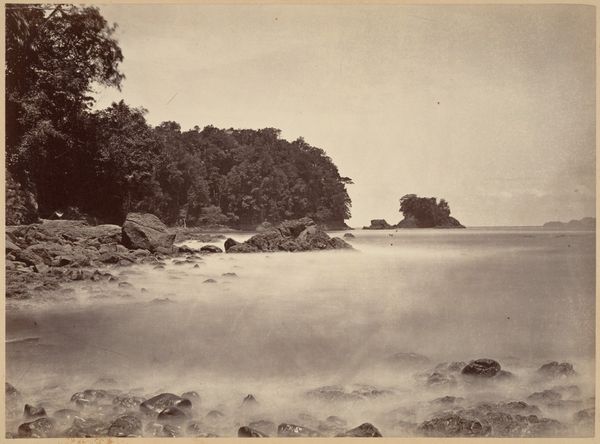
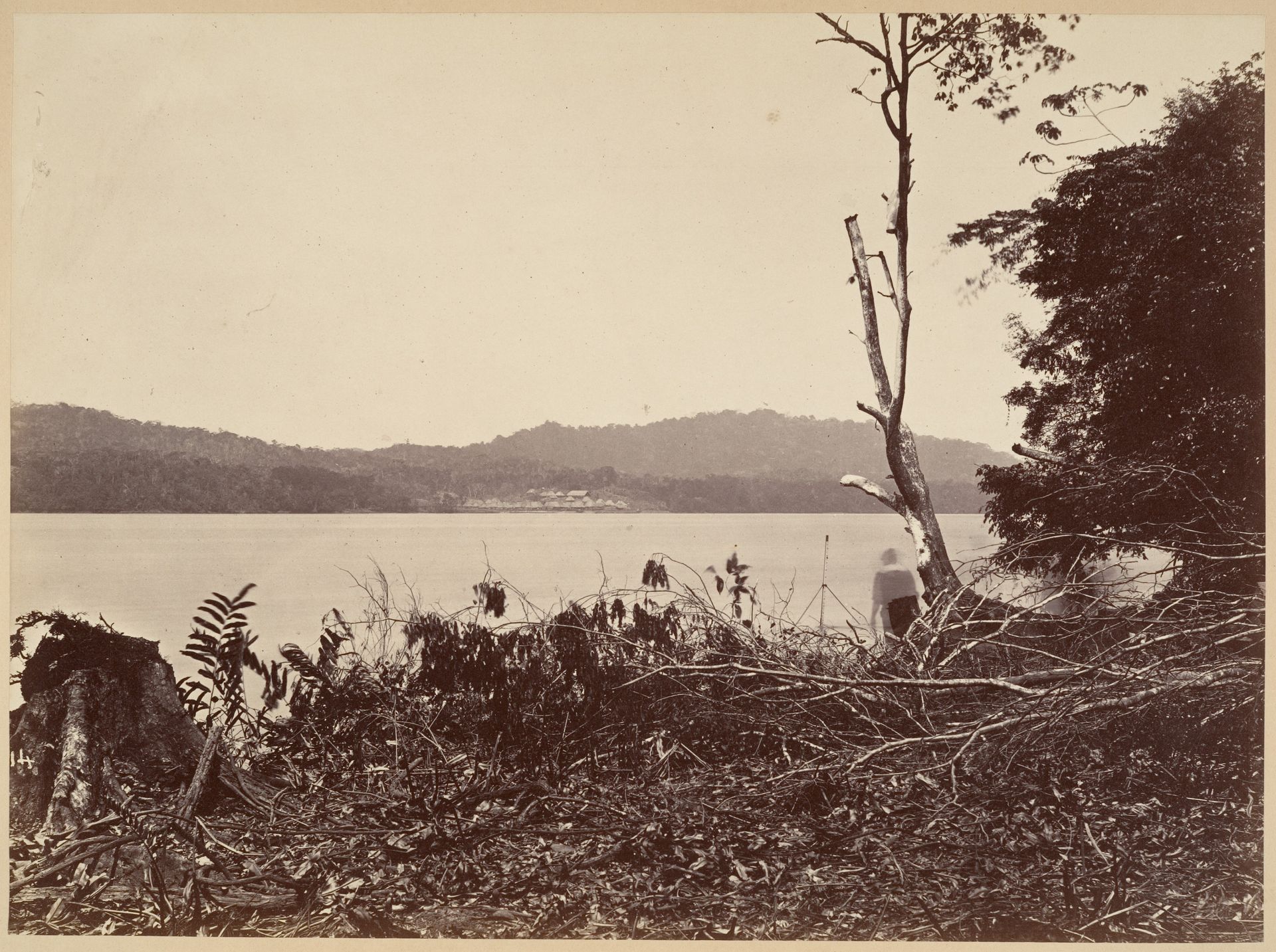
This albumen silver print, titled "Tropical Scenery, Darien Harbor, Chipigana", was created by John Moran, an American artist working in the 19th century. Moran was known for landscape photography, and this image offers insight into how the tropical landscape was perceived and documented during that era. The photograph presents a complex interplay between nature and encroaching human activity. We are confronted with dense foliage, a body of water, and hints of a settlement in the distance. The foreground shows traces of deforestation, suggesting the impact of human intervention on the natural environment. The figure of a person standing by the tree adds a layer of narrative ambiguity. Are they observing, participating, or merely present in this landscape? The image invites us to consider the gaze of the 19th-century photographer and the narratives they constructed about the "tropical" world. How does this photograph shape or challenge our understanding of the relationship between humans and the environment? What emotions and personal reflections does this view evoke within us?
Tropical Scenery, Darien Harbor, Chipigana
1871


Artwork details
- Medium
- photography, albumen-print
- Dimensions
- Image: 20 x 27.3 cm (7 7/8 x 10 3/4 in.) Mount: 30.5 x 38.1 cm (12 x 15 in.)
- Location
- Metropolitan Museum of Art, New York, NY
- Copyright
- Public Domain
Tags
Comments
Share your thoughts
About this artwork
This albumen silver print, titled "Tropical Scenery, Darien Harbor, Chipigana", was created by John Moran, an American artist working in the 19th century. Moran was known for landscape photography, and this image offers insight into how the tropical landscape was perceived and documented during that era. The photograph presents a complex interplay between nature and encroaching human activity. We are confronted with dense foliage, a body of water, and hints of a settlement in the distance. The foreground shows traces of deforestation, suggesting the impact of human intervention on the natural environment. The figure of a person standing by the tree adds a layer of narrative ambiguity. Are they observing, participating, or merely present in this landscape? The image invites us to consider the gaze of the 19th-century photographer and the narratives they constructed about the "tropical" world. How does this photograph shape or challenge our understanding of the relationship between humans and the environment? What emotions and personal reflections does this view evoke within us?
Comments
Share your thoughts