About this artwork
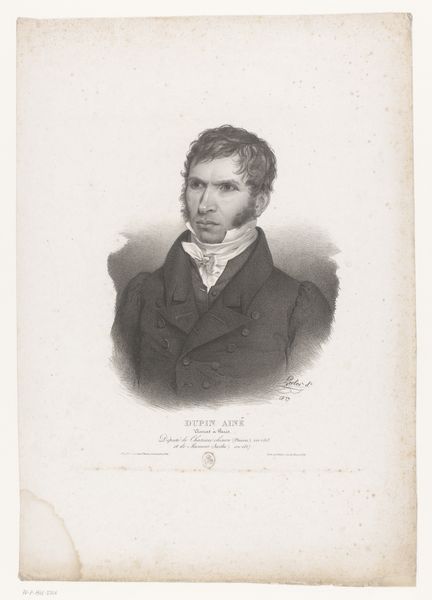
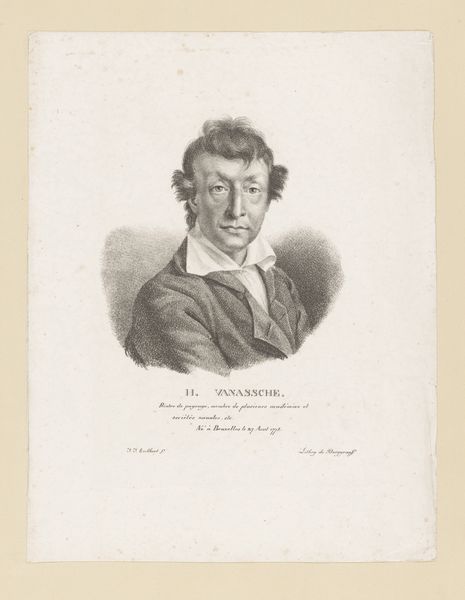
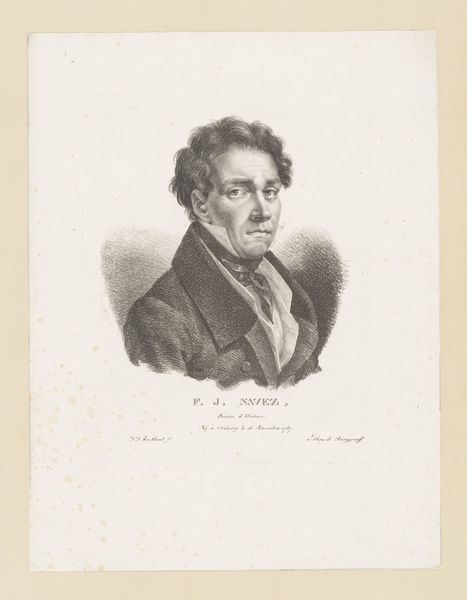
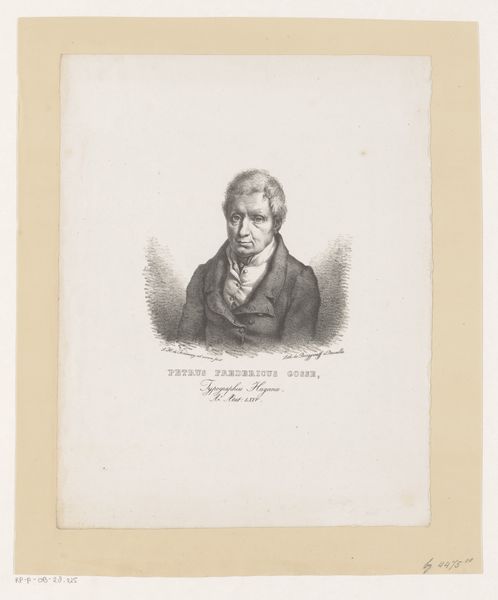
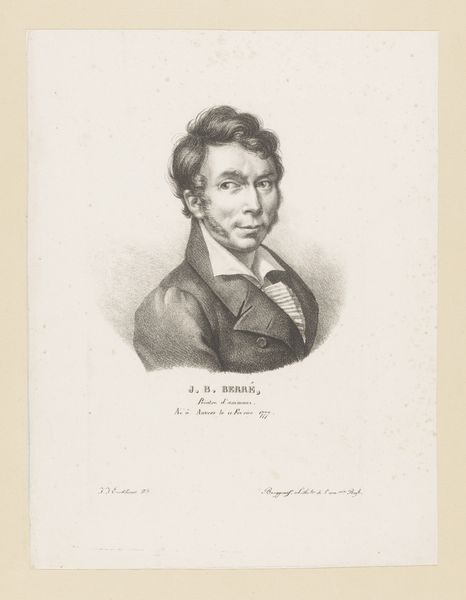
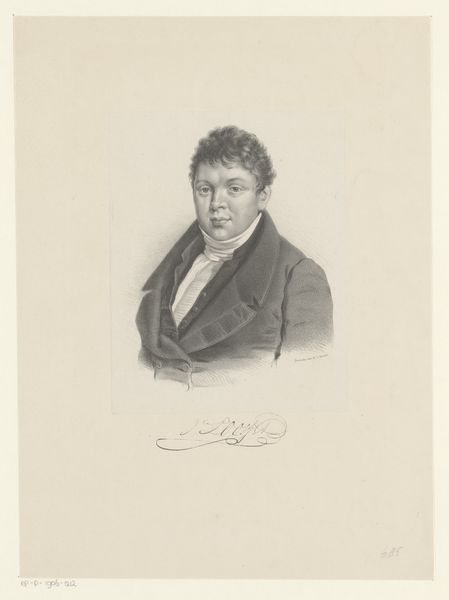
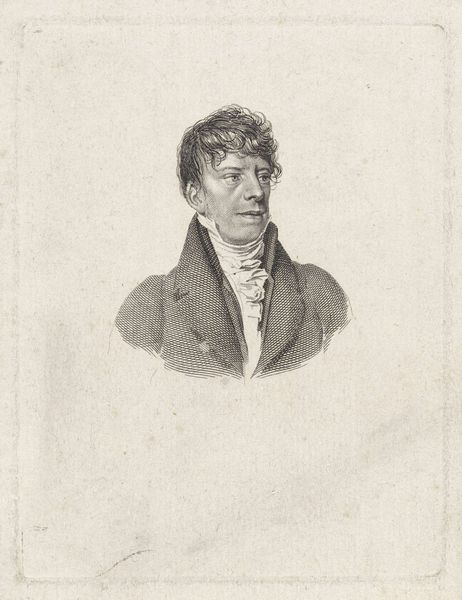
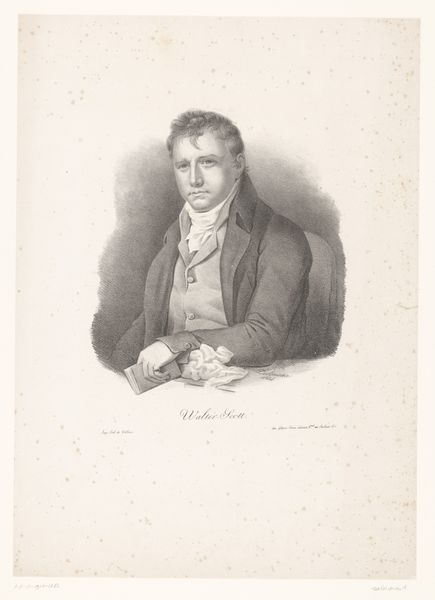
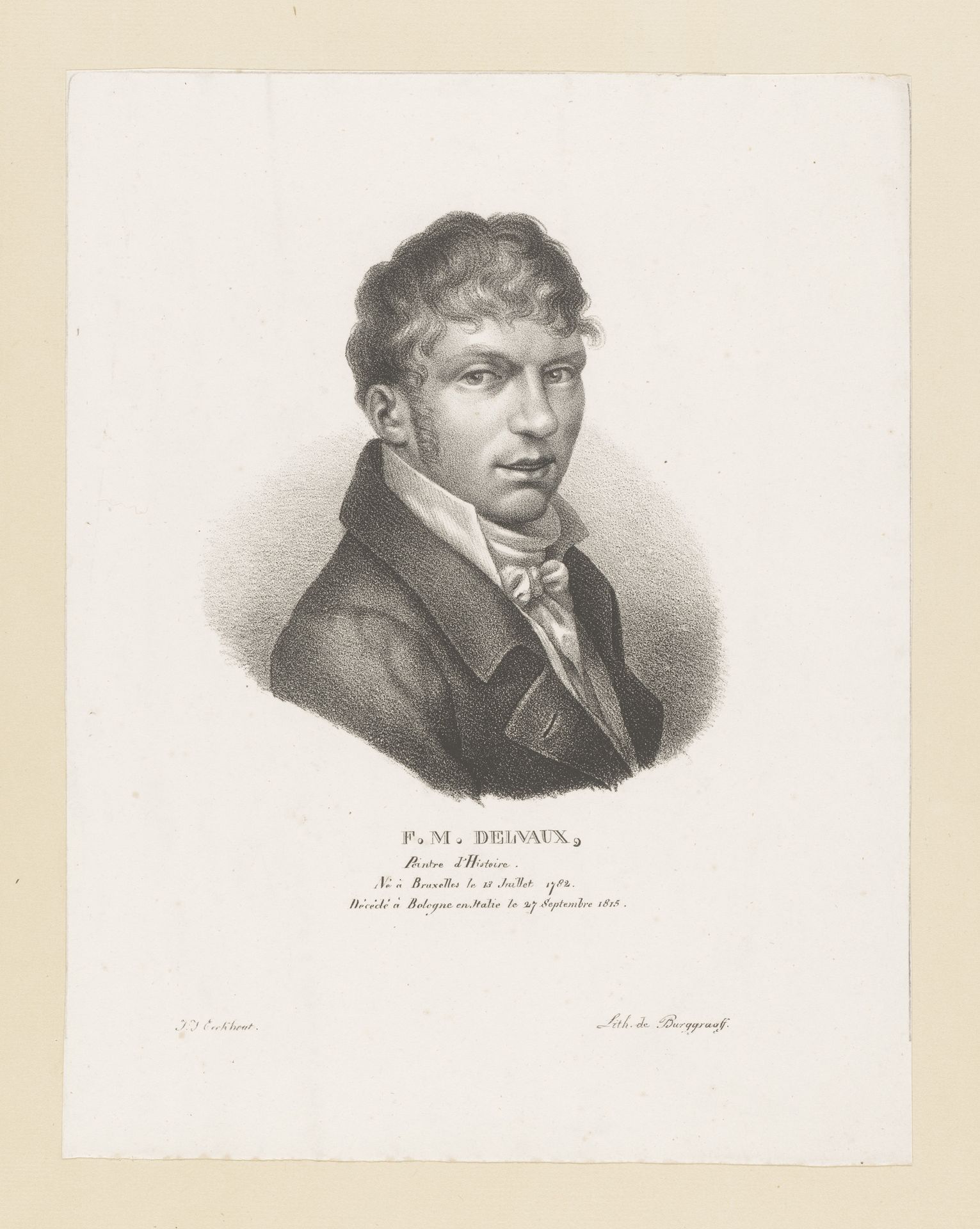
Guillaume Philidor Van den Burggraaff created this print, “Portret van Ferdinand Marie Delvaux,” without a specified date. The portrait captures Ferdinand Marie Delvaux, a history painter born in Brussels in 1792 during a period of significant upheaval in Europe. This portrait offers a glimpse into the world of early 19th-century European art and society. Delvaux, as a history painter, was engaged in visually constructing narratives that often reflected the values and understandings of the past. The portrait itself, with its formal composition, tells us something about the status and self-perception of artists like Delvaux during this time. How did artists view their role in society? The print also brings up questions around representation and identity. Delvaux’s gaze, his clothing, and the very act of commissioning a portrait all contribute to the image he projects. What does it mean to have one's likeness captured and circulated? This work gives us insight into the individual and the broader cultural values of his time.
Portret van Ferdinand Marie Delvaux
1822

Guillaume Philidor Van den Burggraaff
1790Location
RijksmuseumArtwork details
- Medium
- print, engraving
- Dimensions
- height 304 mm, width 237 mm
- Location
- Rijksmuseum
- Copyright
- Rijks Museum: Open Domain
Tags
Comments
Share your thoughts
About this artwork
Guillaume Philidor Van den Burggraaff created this print, “Portret van Ferdinand Marie Delvaux,” without a specified date. The portrait captures Ferdinand Marie Delvaux, a history painter born in Brussels in 1792 during a period of significant upheaval in Europe. This portrait offers a glimpse into the world of early 19th-century European art and society. Delvaux, as a history painter, was engaged in visually constructing narratives that often reflected the values and understandings of the past. The portrait itself, with its formal composition, tells us something about the status and self-perception of artists like Delvaux during this time. How did artists view their role in society? The print also brings up questions around representation and identity. Delvaux’s gaze, his clothing, and the very act of commissioning a portrait all contribute to the image he projects. What does it mean to have one's likeness captured and circulated? This work gives us insight into the individual and the broader cultural values of his time.
Comments
Share your thoughts