About this artwork
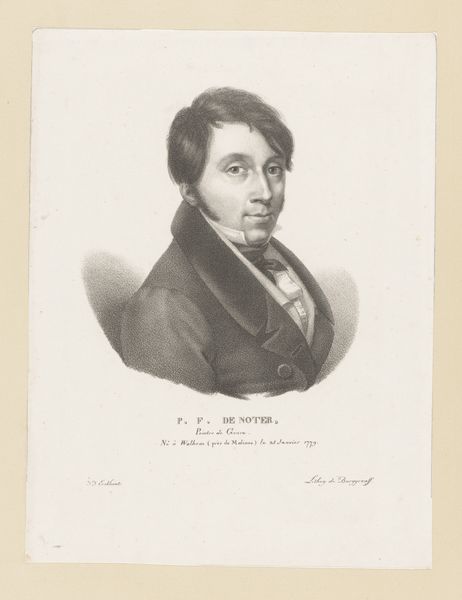
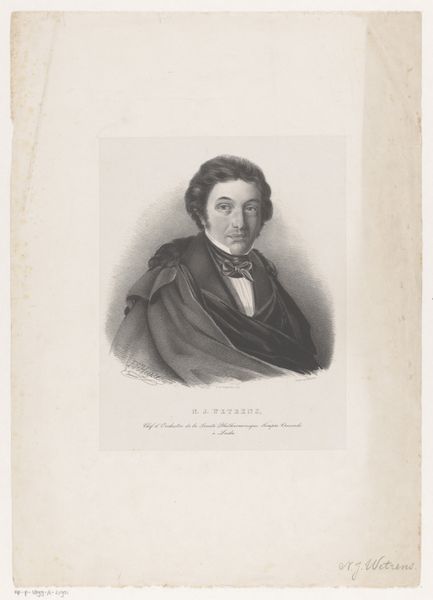
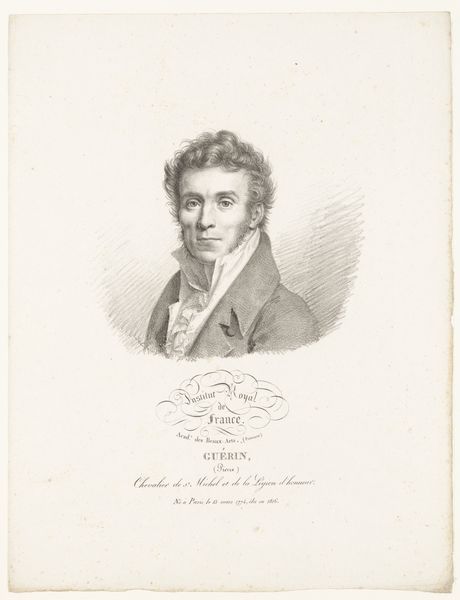
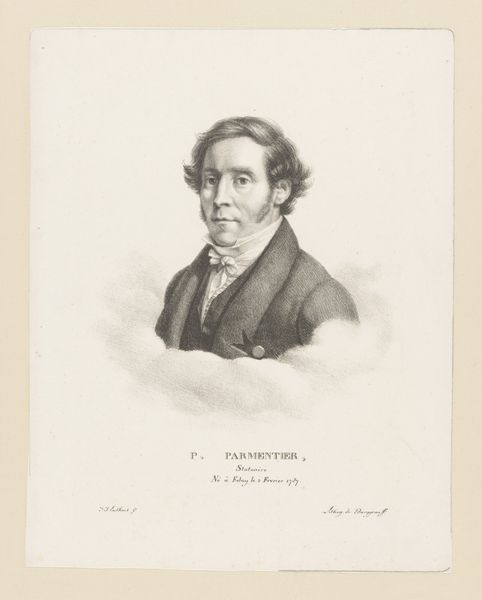
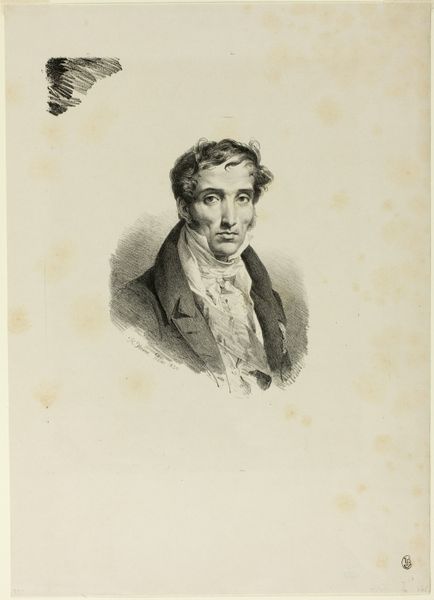
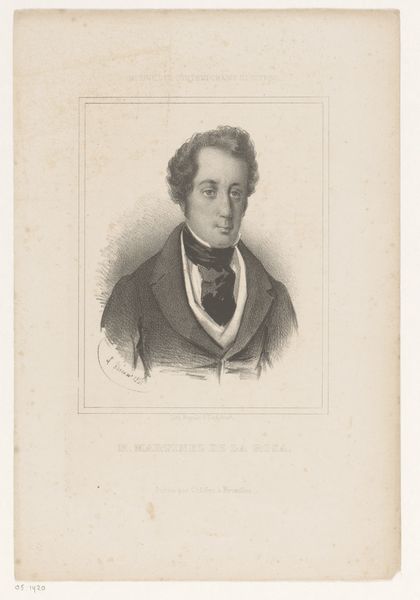
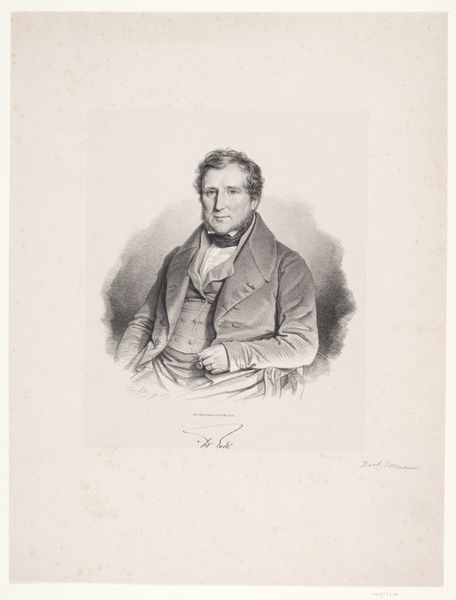
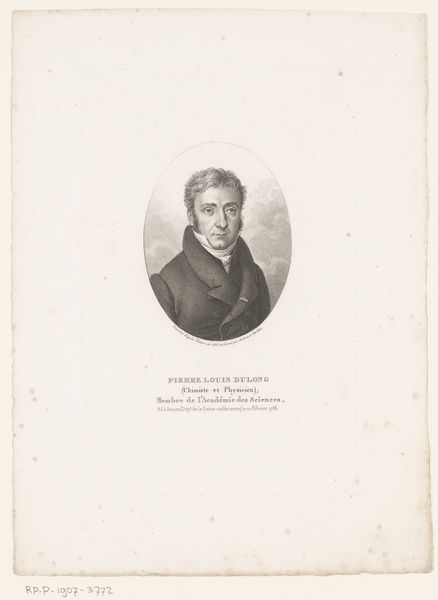
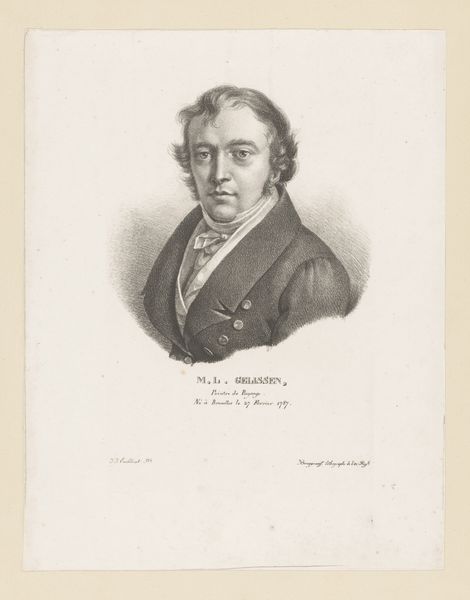
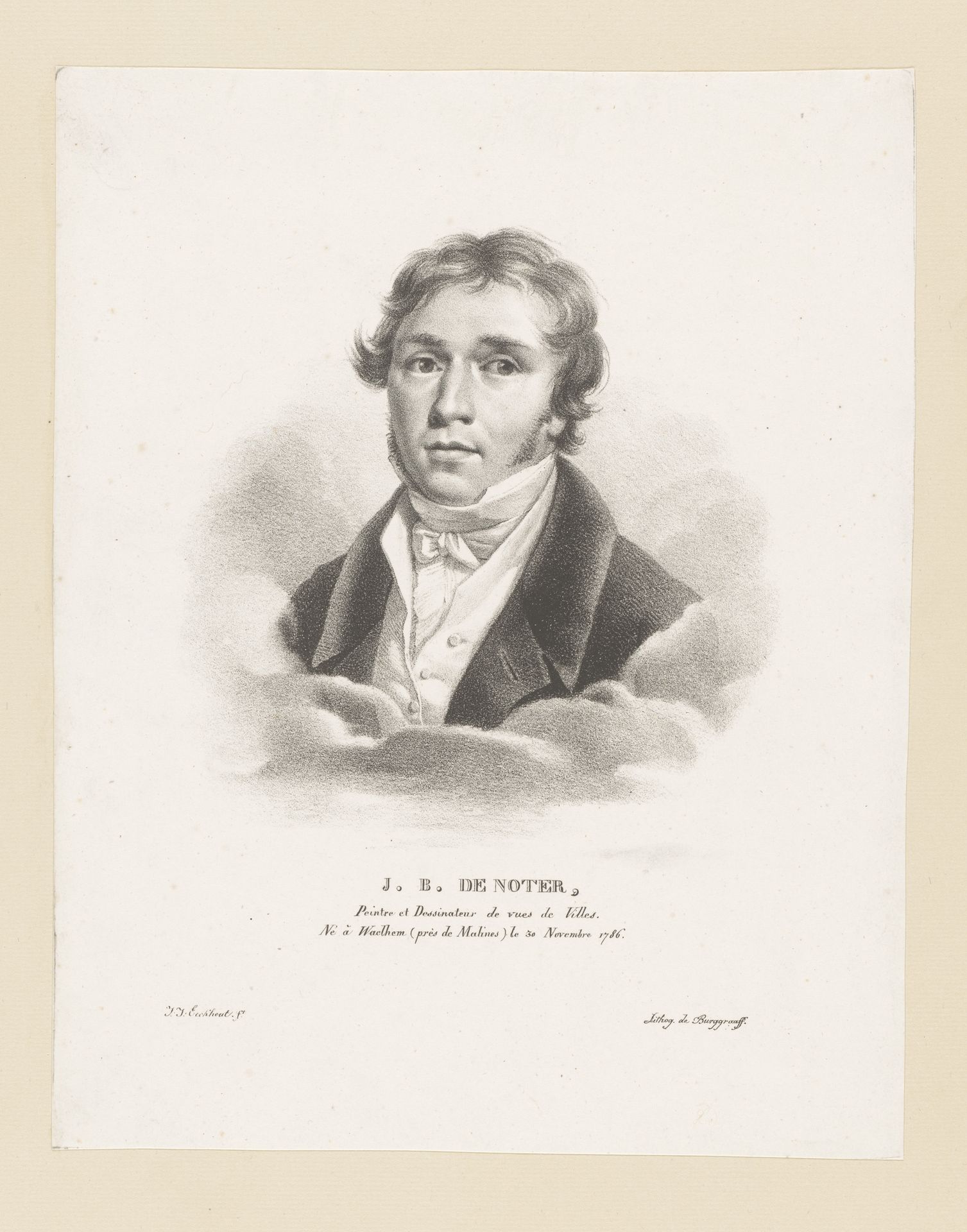
Guillaume Philidor Van den Burggraaff created this portrait of Jean-Baptist André De Noter using lithography, a printmaking process that democratized image production in the 19th century. Lithography relies on the simple principle that oil and water don't mix. The artist would have drawn directly onto a prepared limestone or metal plate with a greasy crayon. This area attracts ink, while the wet areas repel it. Each print requires re-inking, but many identical images can be made. Consider the social context here. Before lithography, portraiture was largely the preserve of the wealthy, commissioning painted likenesses. Lithography made images more accessible, creating a visual culture that spread rapidly. The artist's skill lies in controlling the medium, achieving nuanced tones and textures. The inherent reproducibility of lithography changed the art world forever, paving the way for mass media and transforming our relationship to images.
Portret van Jean-Baptist André De Noter 1822

Guillaume Philidor Van den Burggraaff
1790Location
RijksmuseumArtwork details
- Medium
- drawing, print, graphite
- Dimensions
- height 291 mm, width 230 mm
- Location
- Rijksmuseum
- Copyright
- Rijks Museum: Open Domain
Tags
portrait
drawing
neoclacissism
romanticism
graphite
realism
Comments
No comments
About this artwork
Guillaume Philidor Van den Burggraaff created this portrait of Jean-Baptist André De Noter using lithography, a printmaking process that democratized image production in the 19th century. Lithography relies on the simple principle that oil and water don't mix. The artist would have drawn directly onto a prepared limestone or metal plate with a greasy crayon. This area attracts ink, while the wet areas repel it. Each print requires re-inking, but many identical images can be made. Consider the social context here. Before lithography, portraiture was largely the preserve of the wealthy, commissioning painted likenesses. Lithography made images more accessible, creating a visual culture that spread rapidly. The artist's skill lies in controlling the medium, achieving nuanced tones and textures. The inherent reproducibility of lithography changed the art world forever, paving the way for mass media and transforming our relationship to images.
Comments
No comments