About this artwork
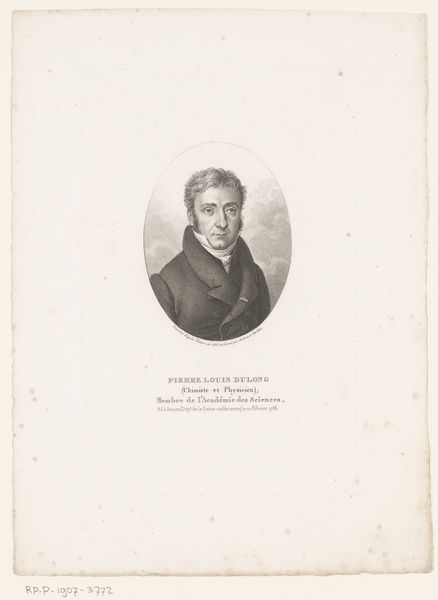
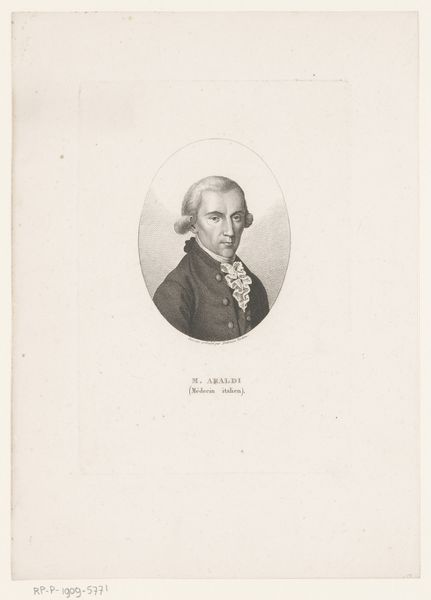
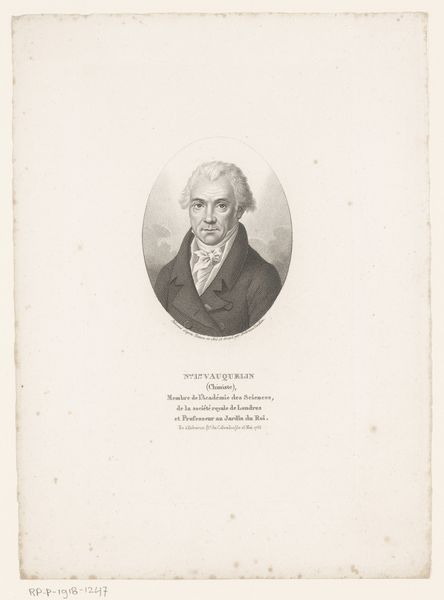
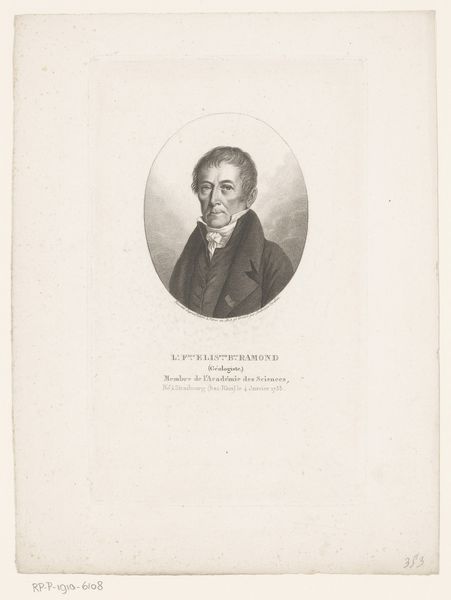
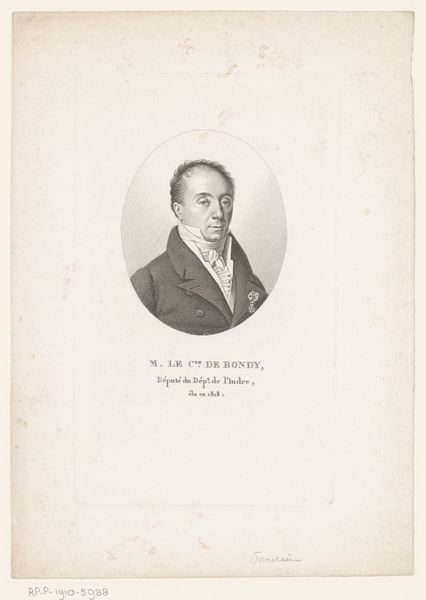
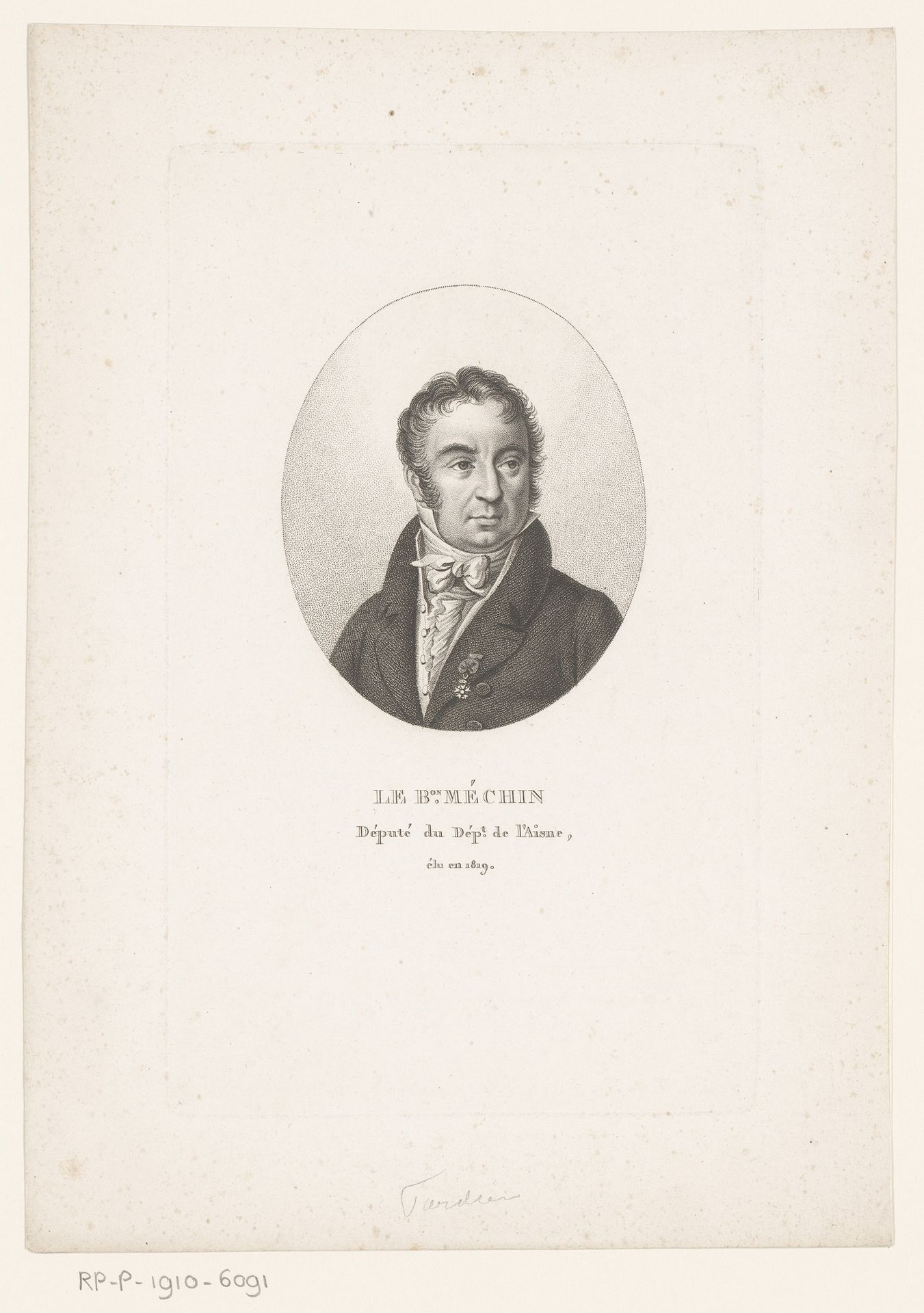
This is Ambroise Tardieu's portrait of Alexandre Edme Méchin, a member of the French Parliament. Created in the early 19th century, this portrait encapsulates the complex intersection of politics, identity, and representation in post-revolutionary France. Méchin, as a politician during a period of immense social change, occupied a position of power and influence, something Tardieu’s portrait is keen to convey. The work gives us a glimpse into the visual culture of the French political elite, where portraiture served as a tool for constructing and reinforcing social hierarchies. But beyond the formal representation of power, I think this portrait also invites a more personal reflection. What were Méchin’s feelings about the changing political landscape, and how did he navigate the complexities of his position? As we gaze upon his likeness, we’re compelled to consider the human experiences behind the history books.

Artwork details
- Medium
- drawing, print, paper, engraving
- Dimensions
- height 226 mm, width 139 mm
- Copyright
- Rijks Museum: Open Domain
Tags
Comments
Share your thoughts
About this artwork
This is Ambroise Tardieu's portrait of Alexandre Edme Méchin, a member of the French Parliament. Created in the early 19th century, this portrait encapsulates the complex intersection of politics, identity, and representation in post-revolutionary France. Méchin, as a politician during a period of immense social change, occupied a position of power and influence, something Tardieu’s portrait is keen to convey. The work gives us a glimpse into the visual culture of the French political elite, where portraiture served as a tool for constructing and reinforcing social hierarchies. But beyond the formal representation of power, I think this portrait also invites a more personal reflection. What were Méchin’s feelings about the changing political landscape, and how did he navigate the complexities of his position? As we gaze upon his likeness, we’re compelled to consider the human experiences behind the history books.
Comments
Share your thoughts