About this artwork
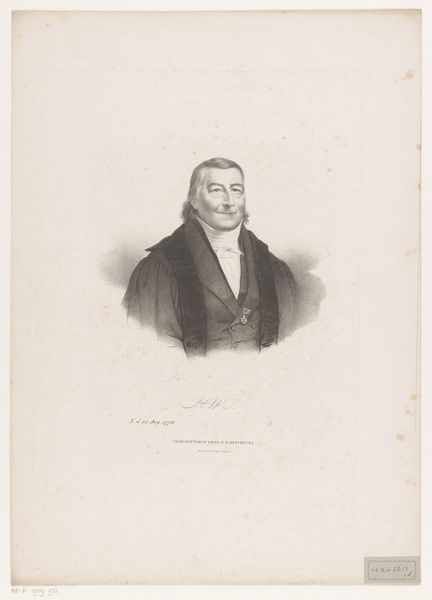
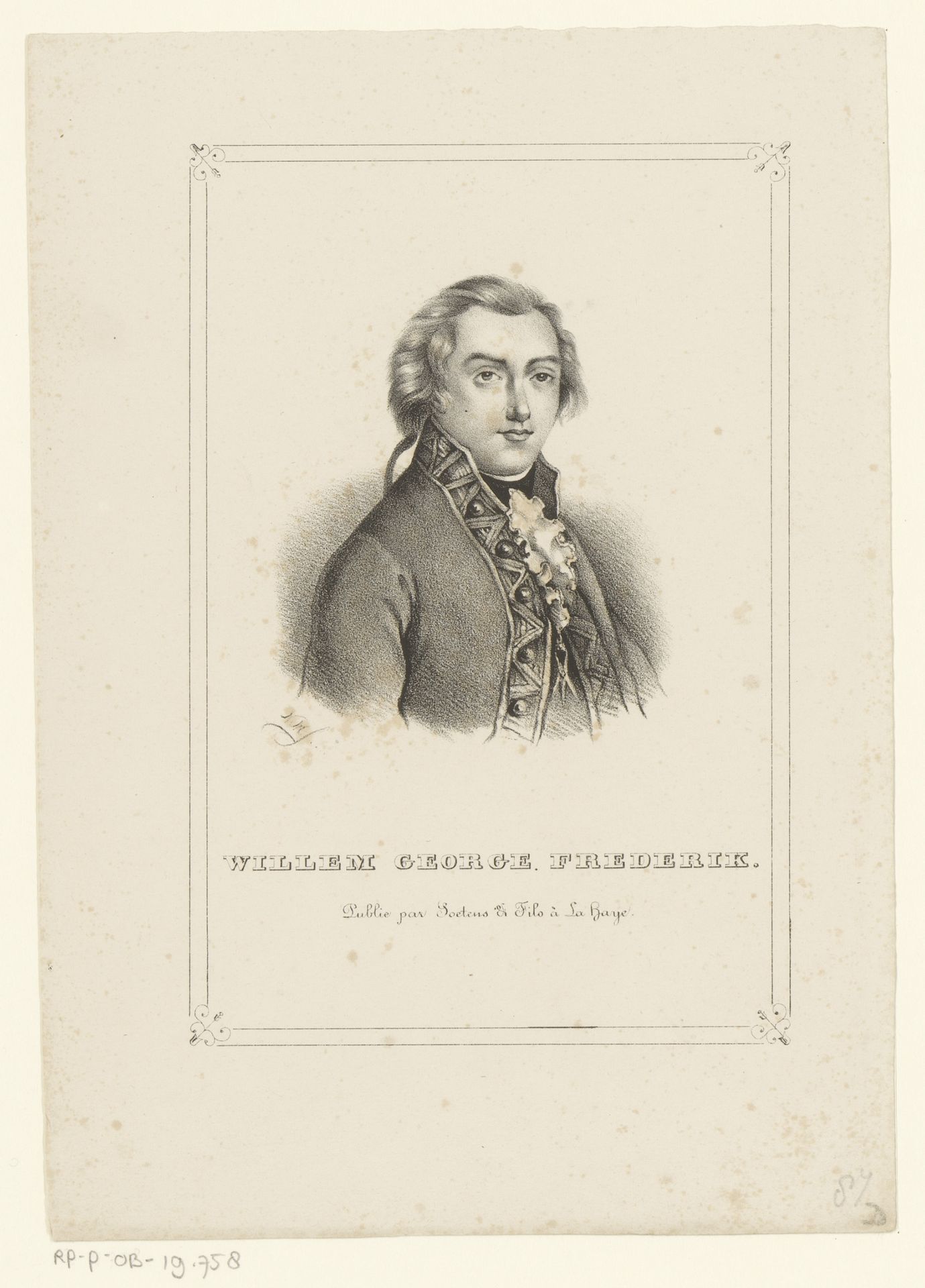
This is N.M. Schild’s portrait of Willem George Frederik van Oranje-Nassau, held at the Rijksmuseum, its dimensions height 220 mm, width 155 mm. This portrait offers a window into the world of Dutch royalty and its representation in art. Here, we see a member of the House of Orange-Nassau, the Dutch Royal family, presented through the lens of artistic interpretation. The piece gives a sense of the sitter's social standing through attire and composition. While the artwork may seem like a conventional depiction of royalty, it prompts us to consider broader questions about power, privilege, and representation. It invites reflection on the legacies of colonialism, class divisions, and the construction of identity. What does it mean to portray an individual whose life was steeped in privilege, and how do we reconcile that with contemporary values of equality and social justice?
Portret van Willem George Frederik van Oranje-Nassau
c. 1830 - 1845

N.M. Schild
@nmschildLocation
RijksmuseumArtwork details
- Medium
- print, engraving
- Dimensions
- height 220 mm, width 155 mm
- Location
- Rijksmuseum
- Copyright
- Rijks Museum: Open Domain
Tags
Comments
Share your thoughts
About this artwork
This is N.M. Schild’s portrait of Willem George Frederik van Oranje-Nassau, held at the Rijksmuseum, its dimensions height 220 mm, width 155 mm. This portrait offers a window into the world of Dutch royalty and its representation in art. Here, we see a member of the House of Orange-Nassau, the Dutch Royal family, presented through the lens of artistic interpretation. The piece gives a sense of the sitter's social standing through attire and composition. While the artwork may seem like a conventional depiction of royalty, it prompts us to consider broader questions about power, privilege, and representation. It invites reflection on the legacies of colonialism, class divisions, and the construction of identity. What does it mean to portray an individual whose life was steeped in privilege, and how do we reconcile that with contemporary values of equality and social justice?
Comments
Share your thoughts