About this artwork
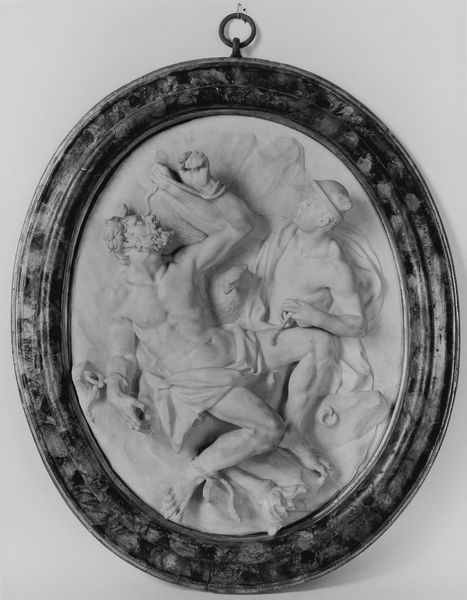
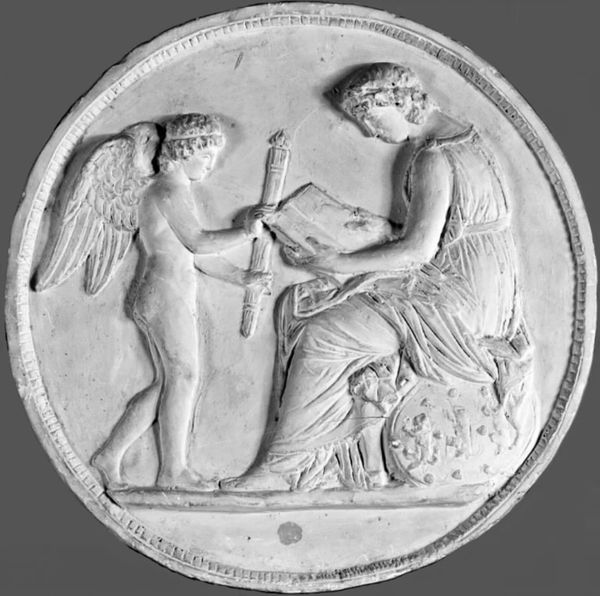
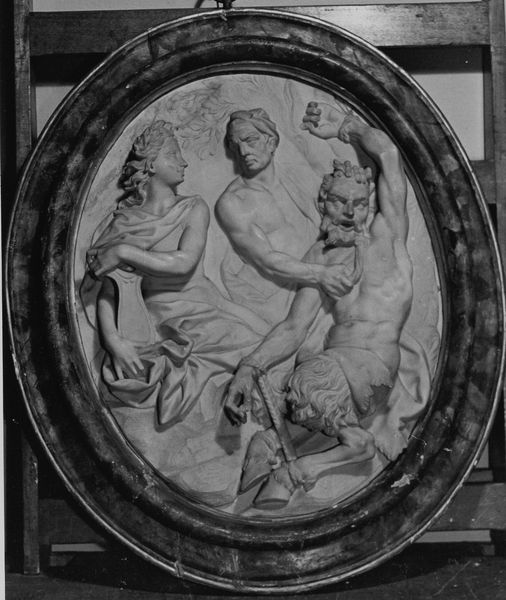
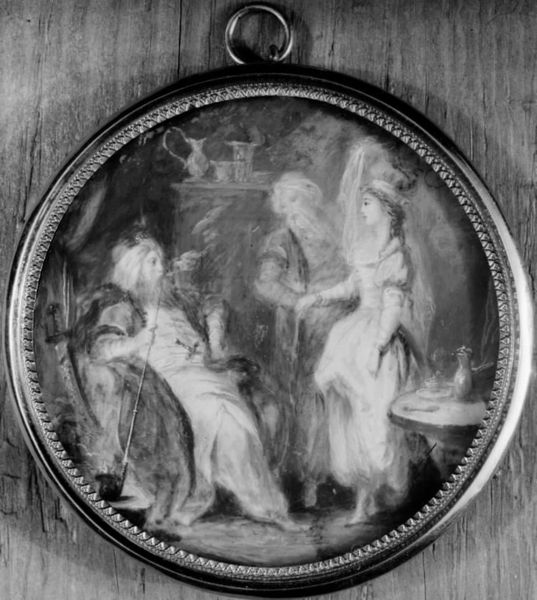
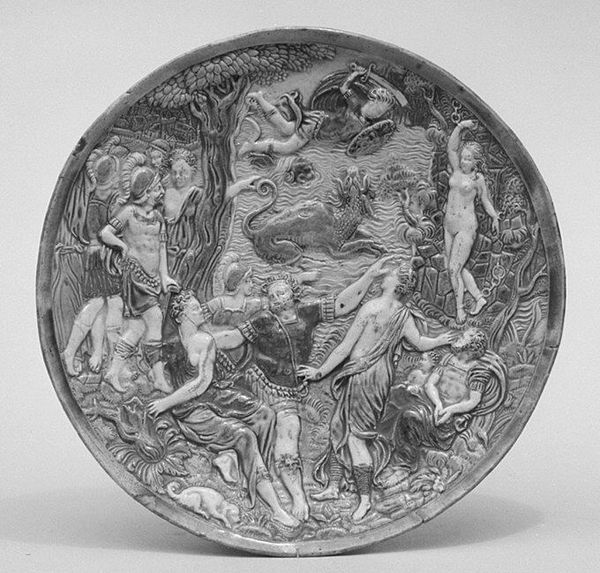
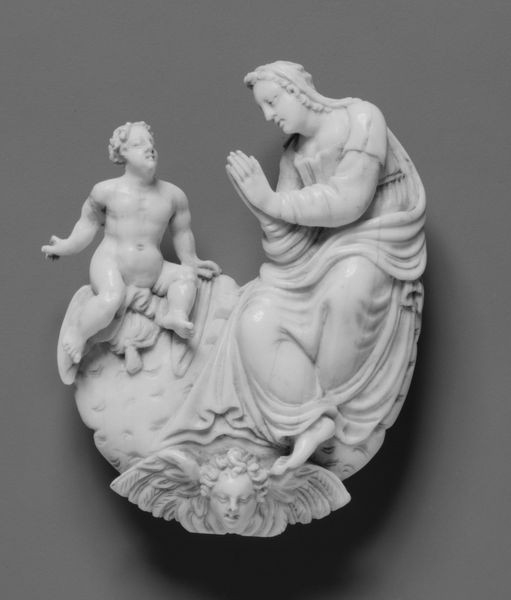
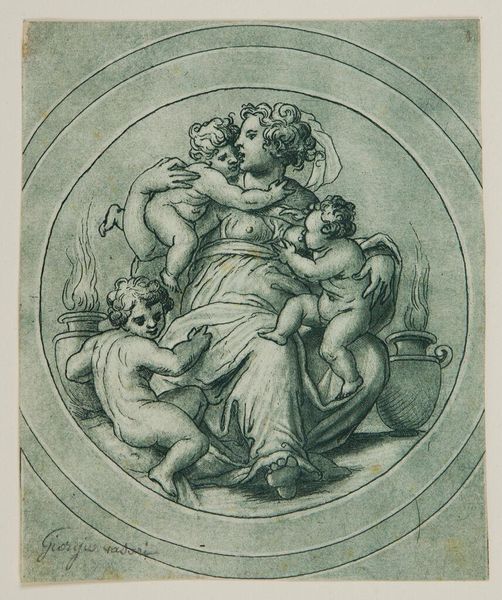
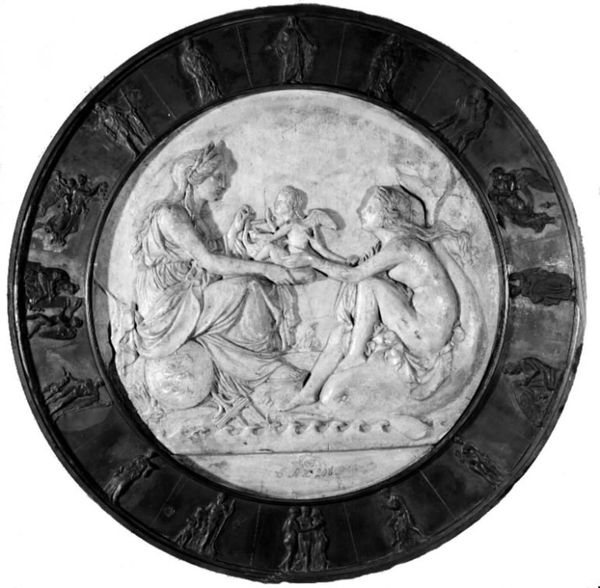
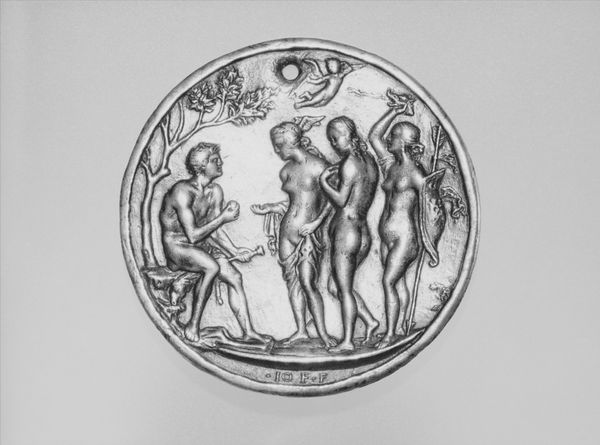
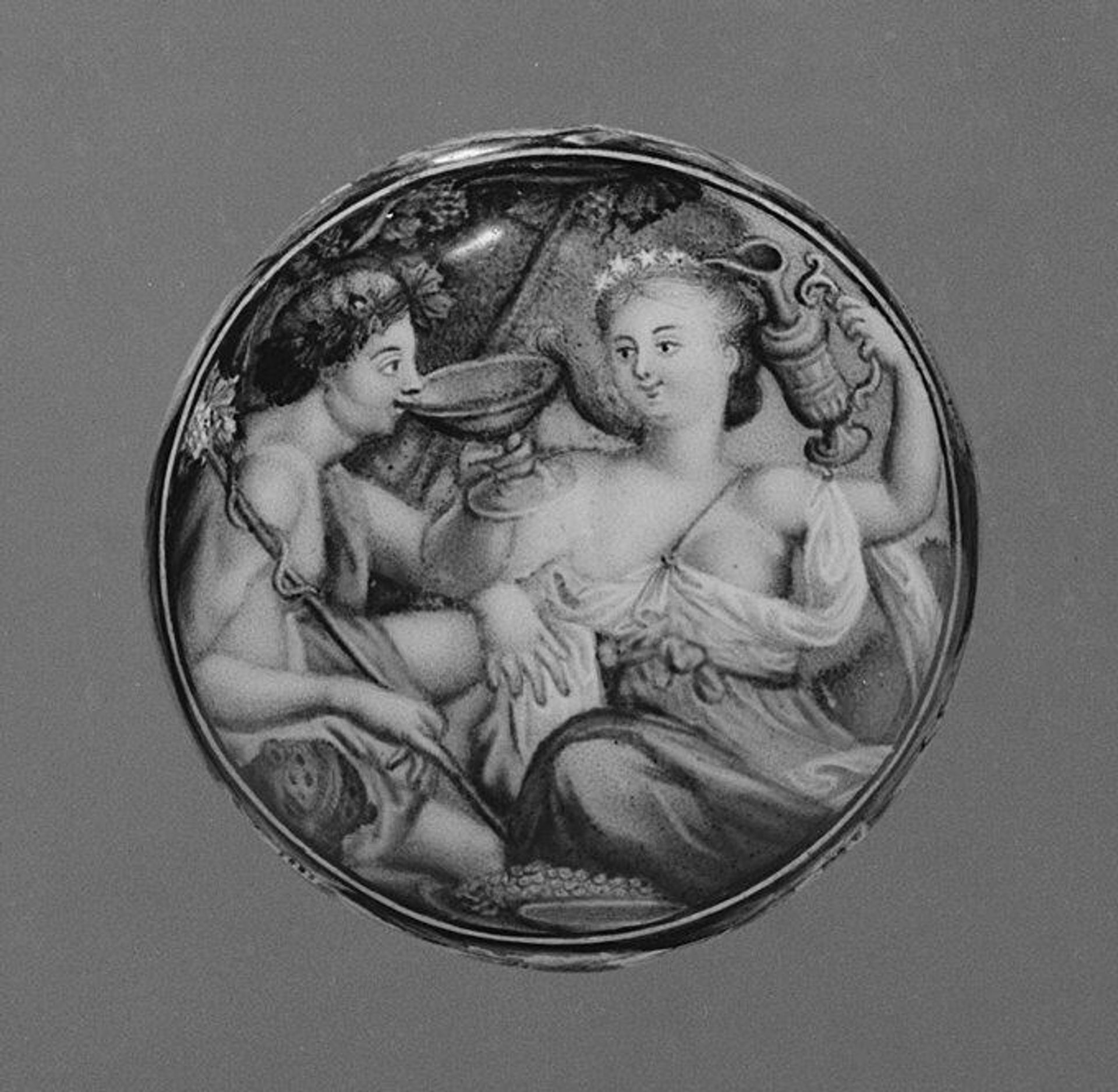
This small box, made by Jean or Pierre Mussard in the 18th century, provides a glimpse into the rococo era’s fascination with classical mythology and its relaxed attitudes towards sensuality. The box depicts Bacchus, the god of wine, offering a drink to a female figure, possibly Ariadne. The scene, rendered in delicate detail, is less about divine power and more about intimate exchange. The composition invites us to consider the role of women within these mythological narratives. The relaxed, sensual atmosphere hints at a certain level of eroticism, reflecting the libertine attitudes of the French court during this period. What does it mean to depict women as both participants in, and objects of, pleasure? How do such portrayals reinforce or subvert the social norms of the time? The box offers us a space to reflect on desire, representation, and the complex interplay between mythology and lived experience.
Box 1745 - 1755

Jean or Pierre Mussard
1707 - 1768
The Metropolitan Museum of Art
Metropolitan Museum of Art, New York, NYArtwork details
- Medium
- drawing, ink, sculpture
- Dimensions
- H. 3/4 in. (1.9 cm); Diam. 1 5/8 in. (4.1 cm.)
- Location
- Metropolitan Museum of Art, New York, NY
- Copyright
- Public Domain
Tags
drawing
sculpture
figuration
ink
sculpture
black and white
decorative-art
nude
rococo
Comments
No comments
About this artwork
This small box, made by Jean or Pierre Mussard in the 18th century, provides a glimpse into the rococo era’s fascination with classical mythology and its relaxed attitudes towards sensuality. The box depicts Bacchus, the god of wine, offering a drink to a female figure, possibly Ariadne. The scene, rendered in delicate detail, is less about divine power and more about intimate exchange. The composition invites us to consider the role of women within these mythological narratives. The relaxed, sensual atmosphere hints at a certain level of eroticism, reflecting the libertine attitudes of the French court during this period. What does it mean to depict women as both participants in, and objects of, pleasure? How do such portrayals reinforce or subvert the social norms of the time? The box offers us a space to reflect on desire, representation, and the complex interplay between mythology and lived experience.
Comments
No comments