About this artwork
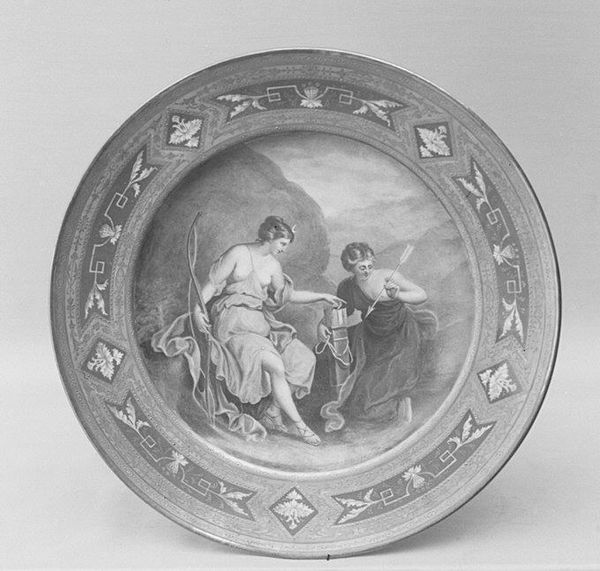
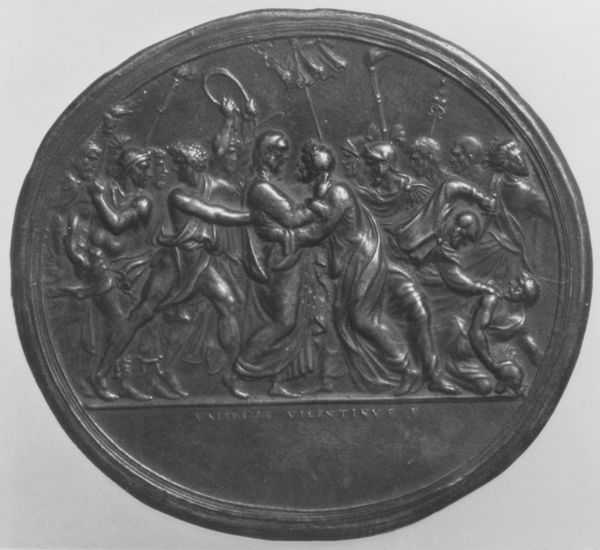
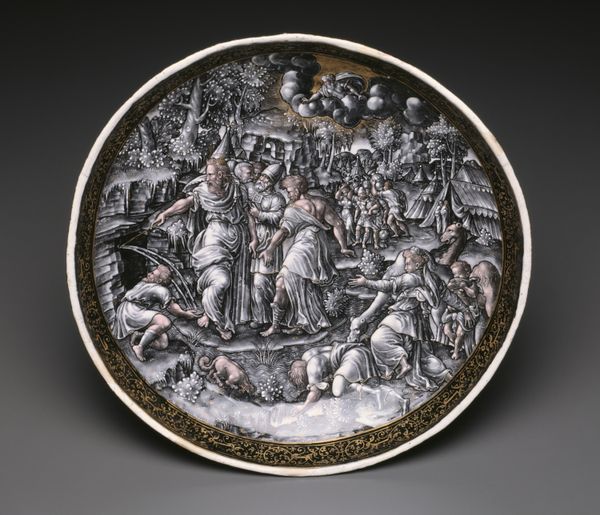
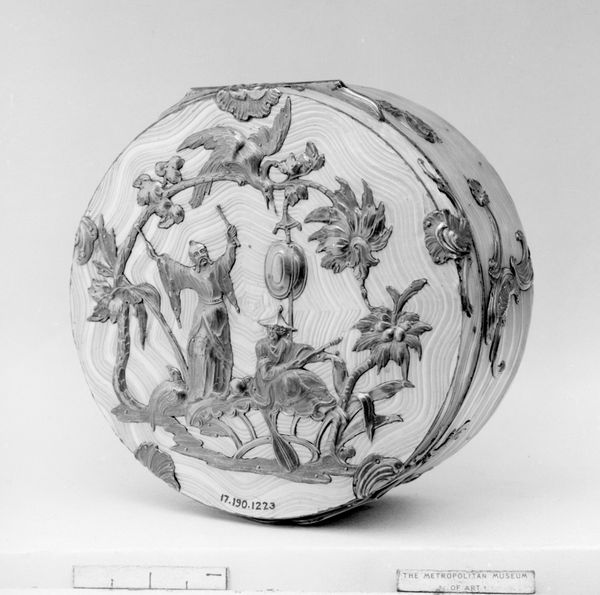
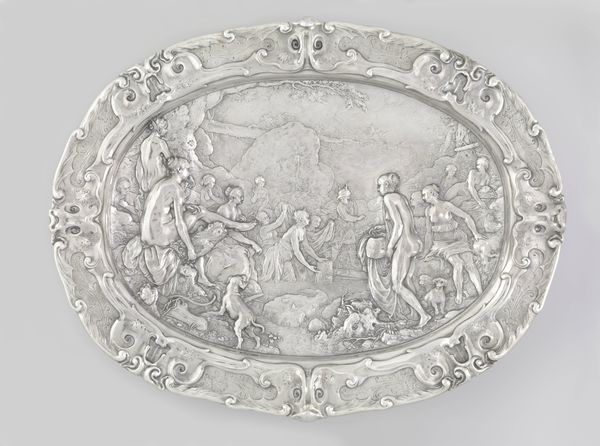
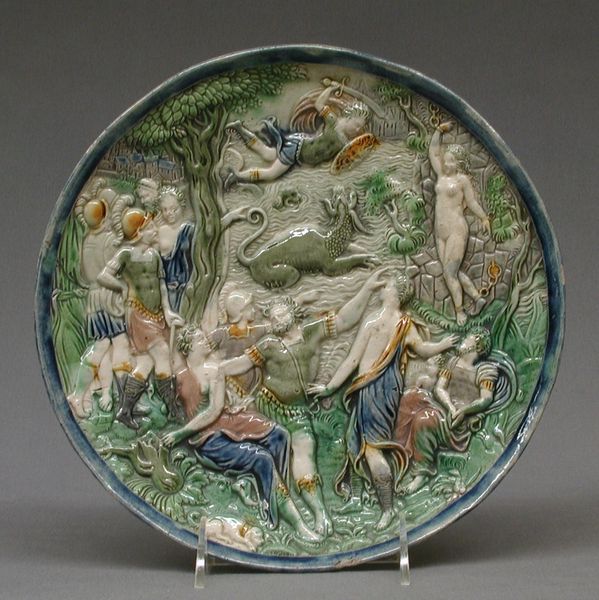
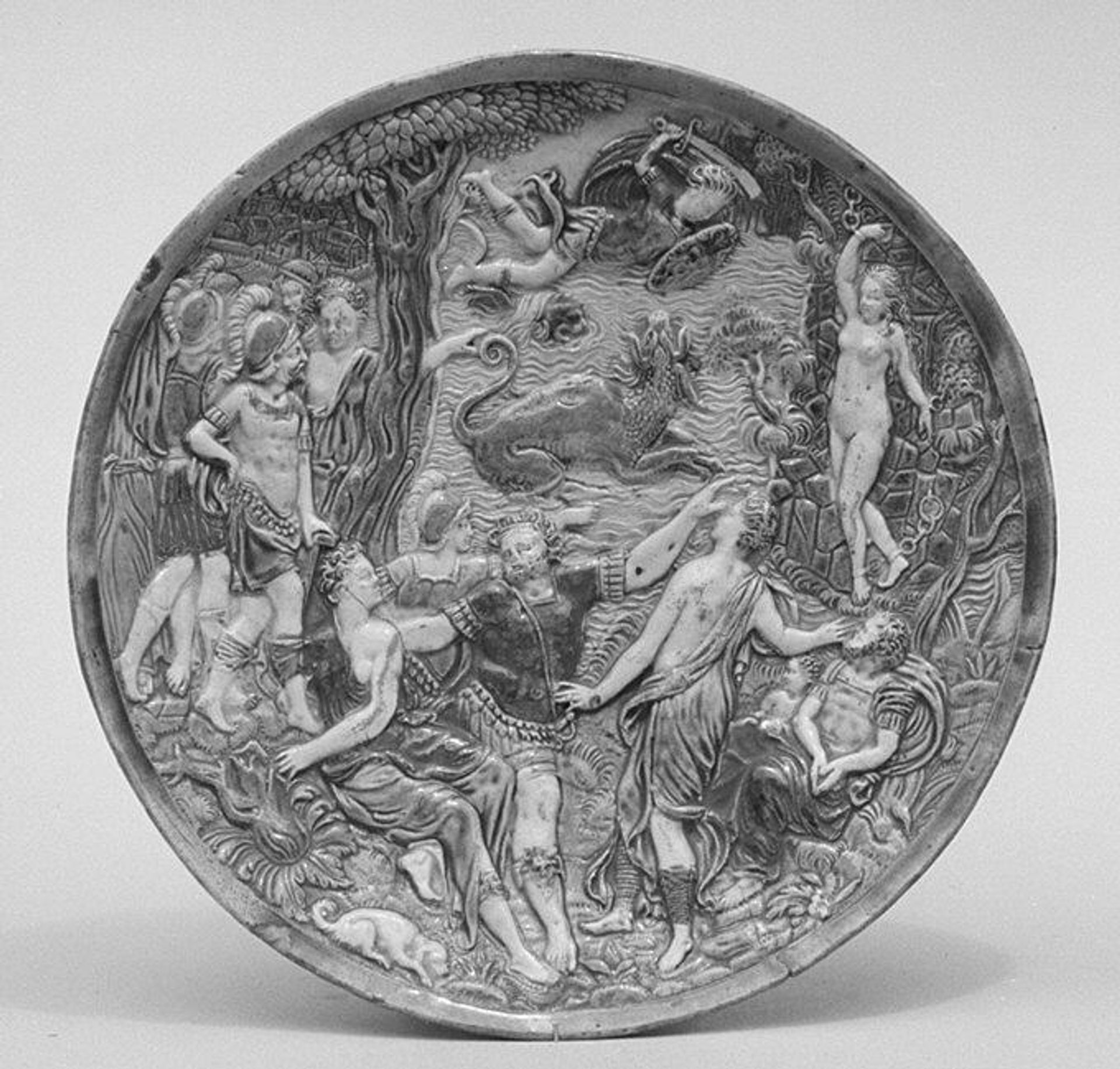
This enameled earthenware plate was created by Bernard Palissy in sixteenth-century France. Palissy was a self-taught potter, who was originally trained as a surveyor. His background outside the traditional art world led to him to create highly individual works such as this. At a time when artists were employed by the court and religious institutions, Palissy created his own market through these decorative objects. Through an encyclopedic knowledge gleaned from scientific texts and direct observation, he aimed to make accurate representations of the natural world. The level of relief and detail in the images suggests that Palissy was a master of mould making, creating a range of different products to suit different tastes. Understanding the context surrounding an artwork helps to interpret its meanings: museum records, historical documents, and scientific analyses are just some of the many research tools we can use. It is essential to remember that the meaning of art is not fixed, but is always dependent on its social and institutional context.
Plate
1600 - 1650


Artwork details
- Medium
- relief, ceramic
- Dimensions
- Height: 1 7/8 in. (4.8 cm); Diameter: 9 11/16 in. (24.6 cm)
- Location
- Metropolitan Museum of Art, New York, NY
- Copyright
- Public Domain
Tags
Comments
Share your thoughts
About this artwork
This enameled earthenware plate was created by Bernard Palissy in sixteenth-century France. Palissy was a self-taught potter, who was originally trained as a surveyor. His background outside the traditional art world led to him to create highly individual works such as this. At a time when artists were employed by the court and religious institutions, Palissy created his own market through these decorative objects. Through an encyclopedic knowledge gleaned from scientific texts and direct observation, he aimed to make accurate representations of the natural world. The level of relief and detail in the images suggests that Palissy was a master of mould making, creating a range of different products to suit different tastes. Understanding the context surrounding an artwork helps to interpret its meanings: museum records, historical documents, and scientific analyses are just some of the many research tools we can use. It is essential to remember that the meaning of art is not fixed, but is always dependent on its social and institutional context.
Comments
Share your thoughts