
Curatorial notes
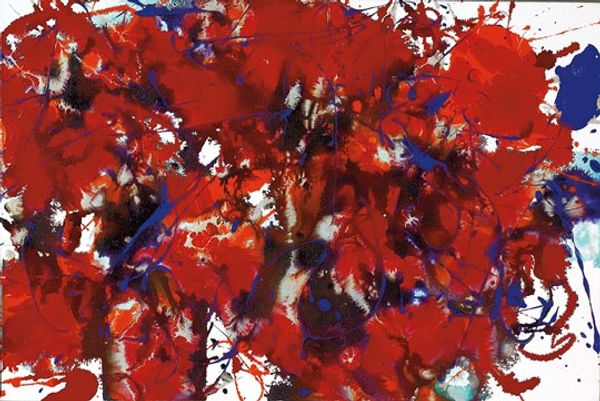
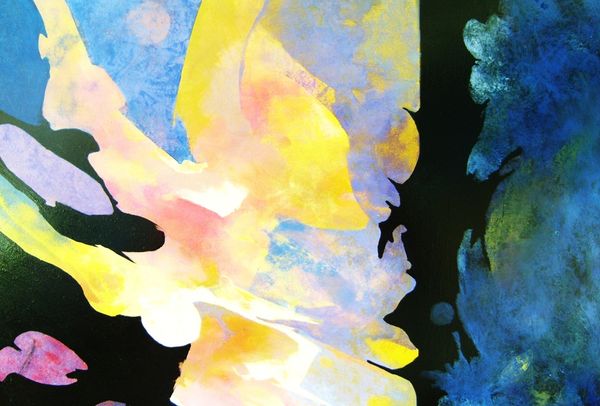
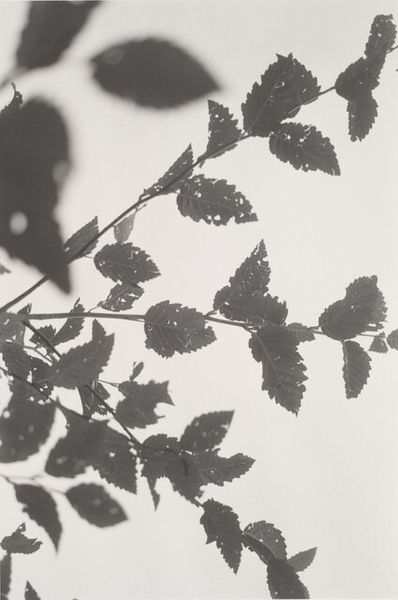
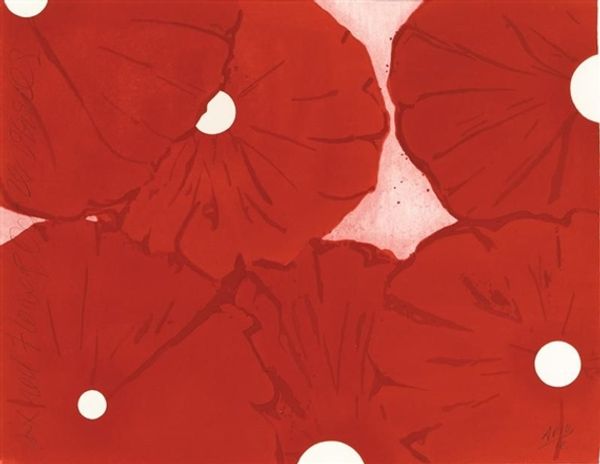
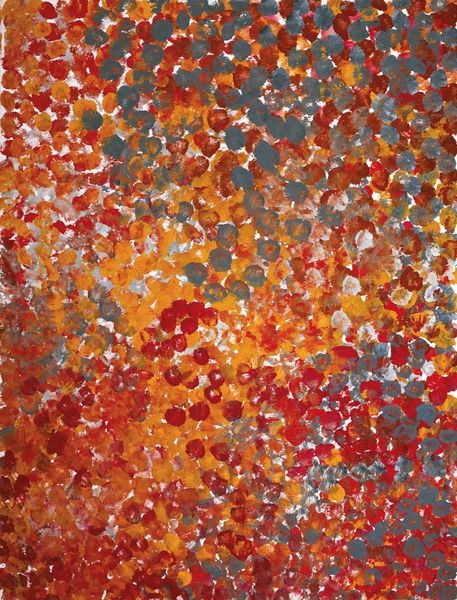
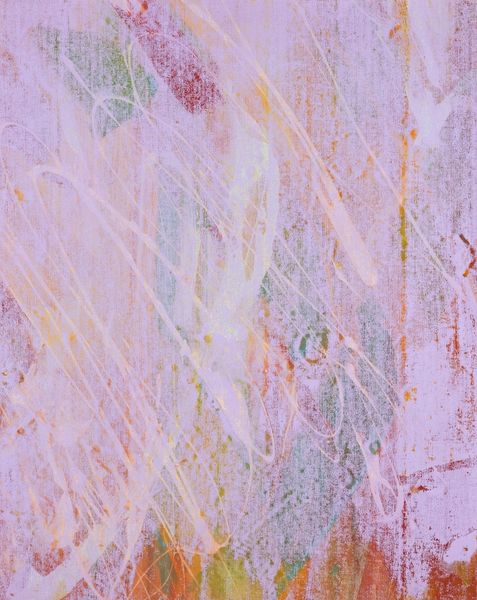
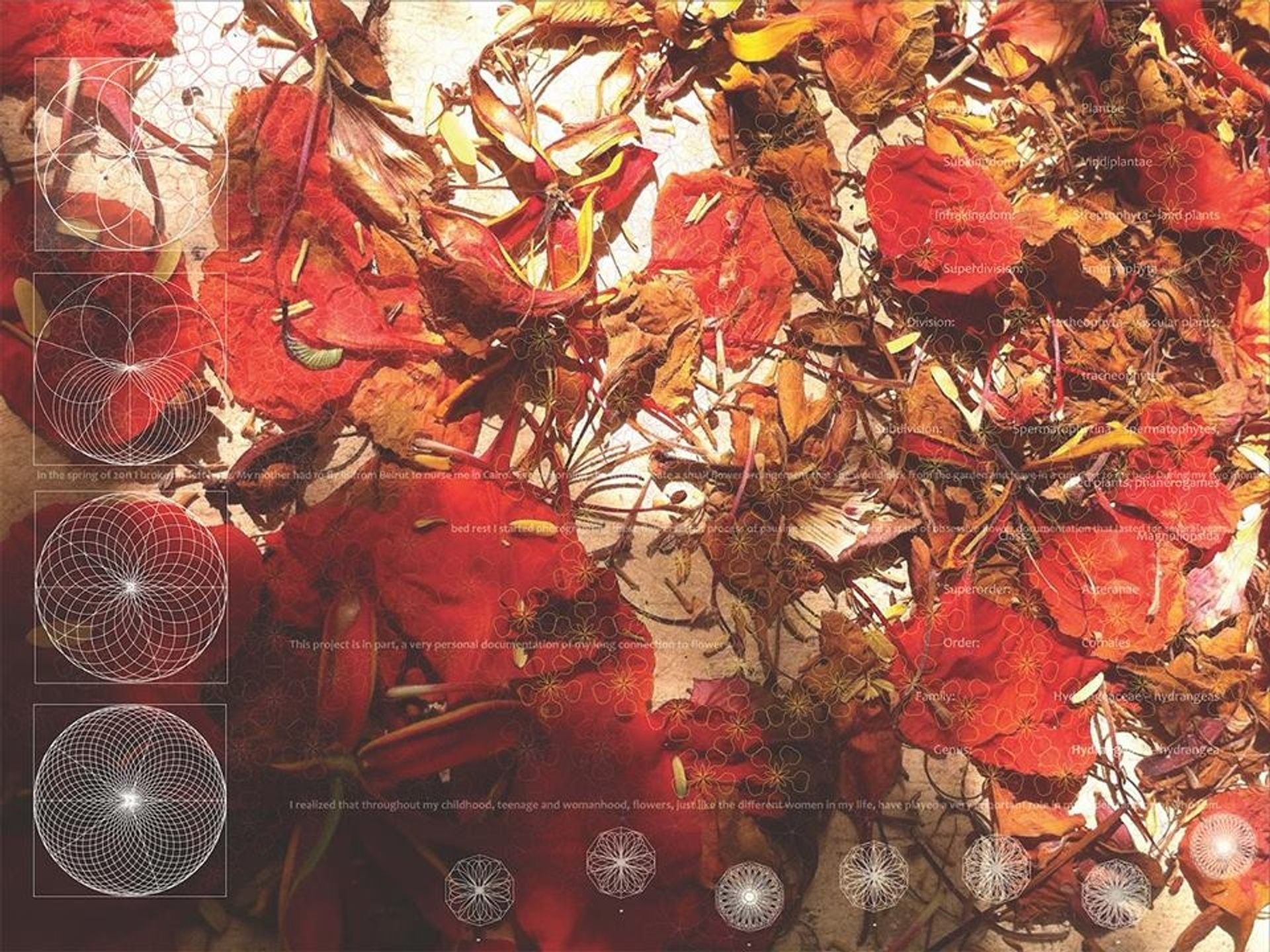
Curator: This is "The Chronicles of Flowers" by Bahia Shehab, created in 2017. At first glance, it strikes me as an exploration of cycles—decay, regeneration, and perhaps even the hidden geometries of nature. Editor: It's beautiful but melancholic, don't you think? The reds and browns dominate, hinting at the fading of summer, perhaps commenting on loss and memory within broader systems of oppression against women and people of color. Curator: Absolutely. The flowers, while physically decaying, act as vessels containing significant personal and collective experiences for women in the world. Looking at Shehab's integration of geometric patterns, one can interpret those elements as encapsulating cycles of memory, coded wisdom passed between generations. She creates that layering by combining flowers, geometry, and her text as three visual players, which also reminds the viewer of how memory plays. Editor: Yes, that is evident in how she layers text within and among floral configurations. It almost appears like fragmented diary entries attempting to speak. That position of the text becomes an activist tool resisting obliteration. Considering the sociopolitical contexts in which Shehab often works, the deliberate fragmentation challenges not just literal loss but erasure more broadly—whether cultural, historical, or personal. Curator: Precisely! And there's a potent symbol hidden in plain sight: the flowers themselves. Flowers historically serve as emblems of fragility and ephemeral beauty. They exist beyond any cultural association to represent life in all its various forms while subtly encoding social memories related to womanhood. The placement of the leaves against gridlike patterns—order versus disorder—offers a commentary on social and cultural structures shaping those experiences. Editor: Speaking to that, the visual push and pull between the structured geometry and seemingly random arrangement of flowers underscores the constraints faced by those deemed marginal, perhaps a visual manifestation of both societal restrictions, such as institutional oppression, combined with more individual challenges related to cultural assimilation. There's that fight against a prescribed role... Curator: Yes, it's a beautiful composition of how resistance is rendered. A striking fusion of aesthetics and social activism! Editor: An ode to resilience amid fragility. Thanks for pointing out all those details that show memory's persistence.