About this artwork
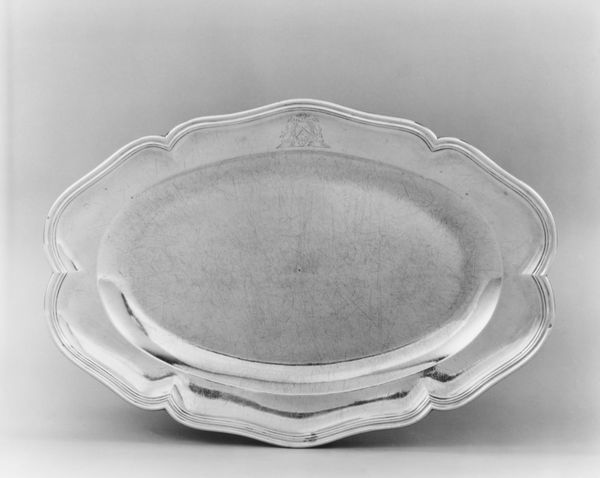
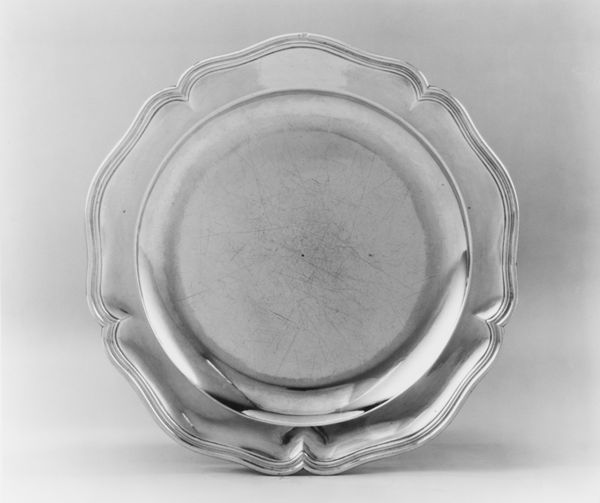
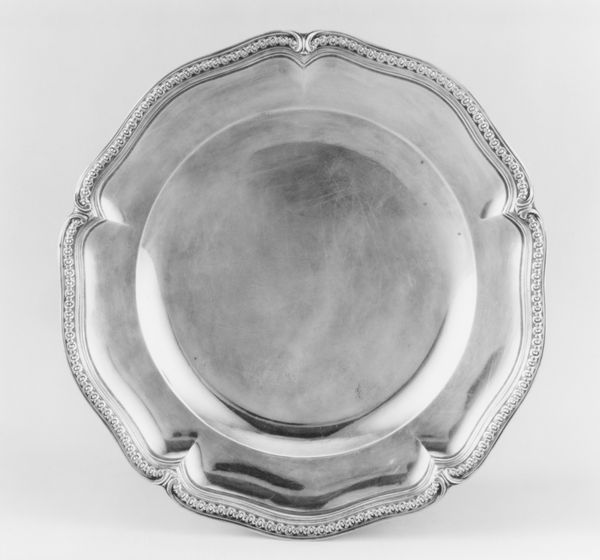
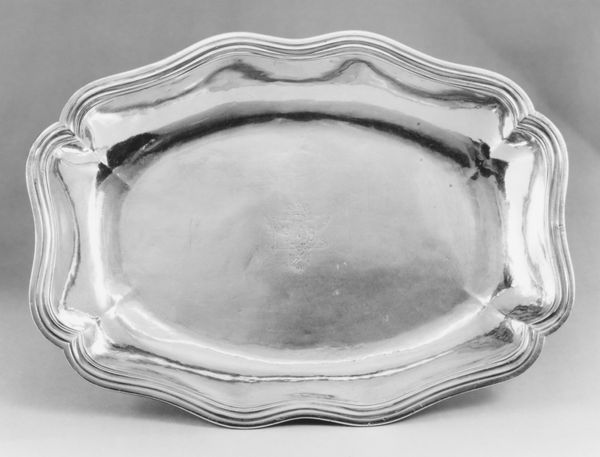
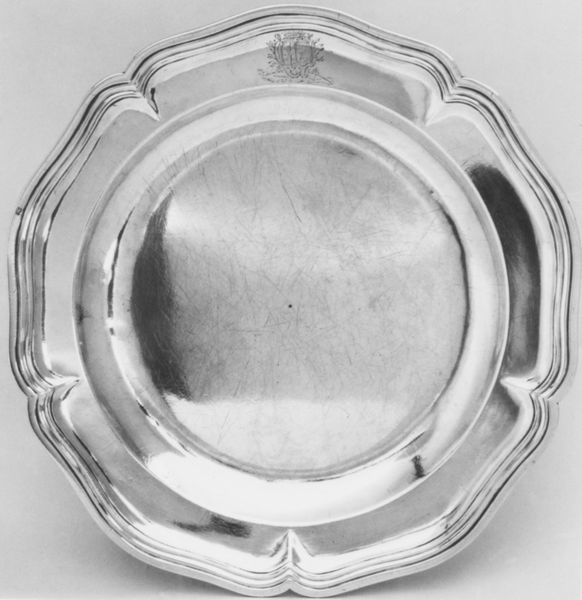
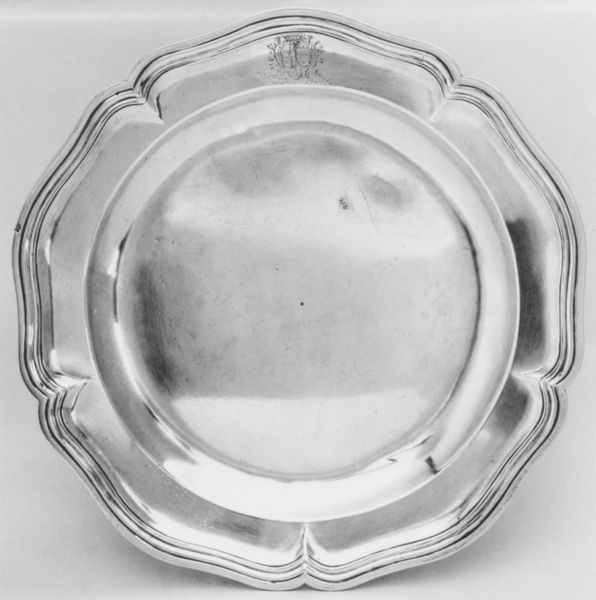
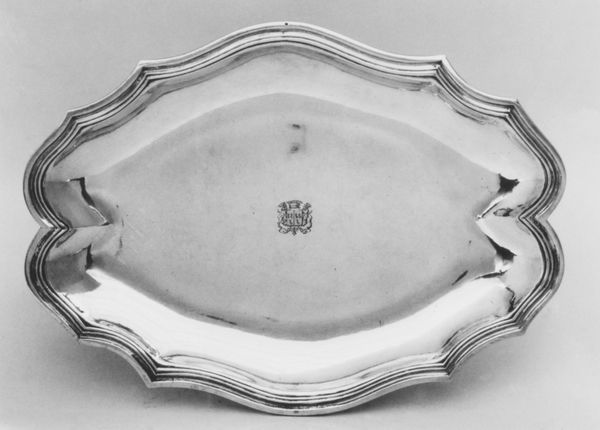
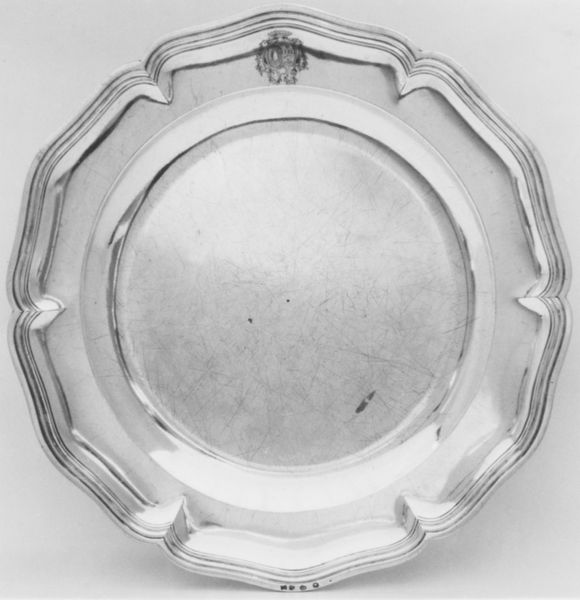
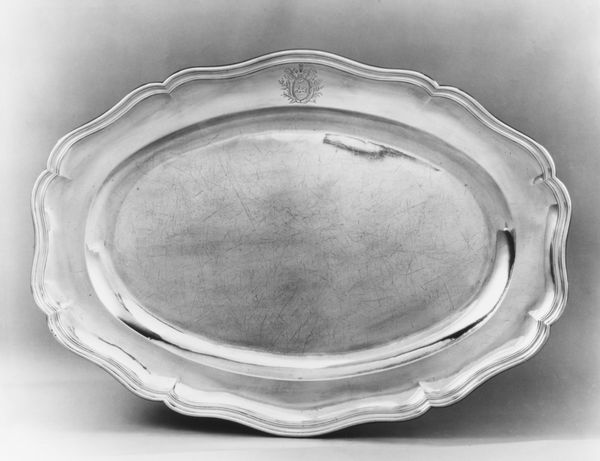
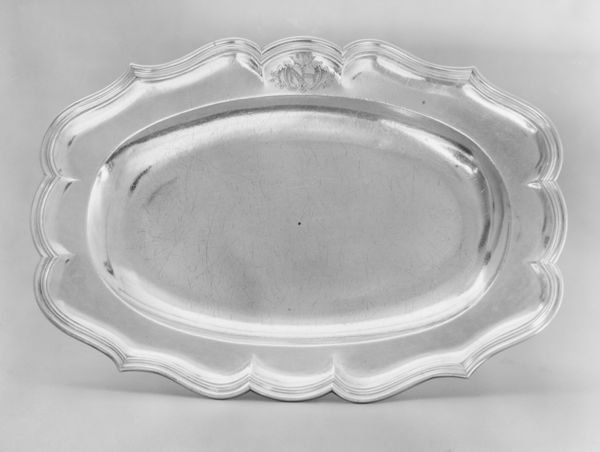
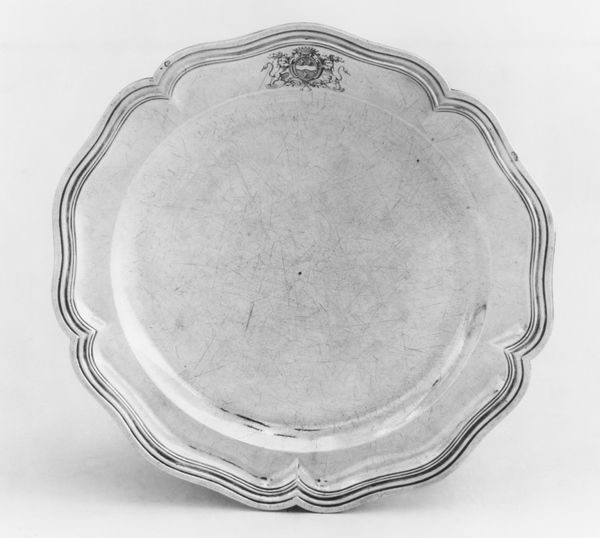
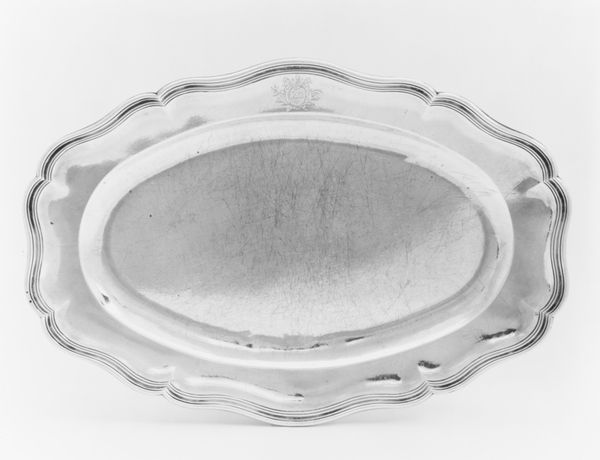
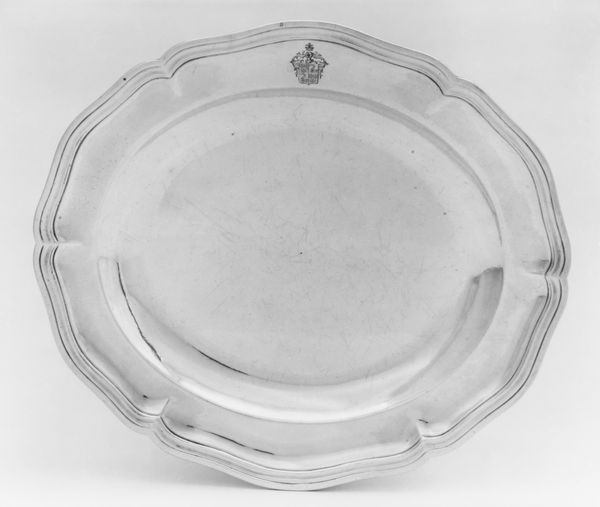
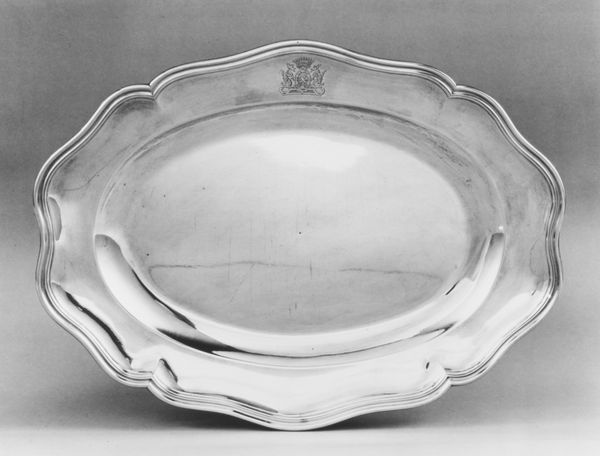
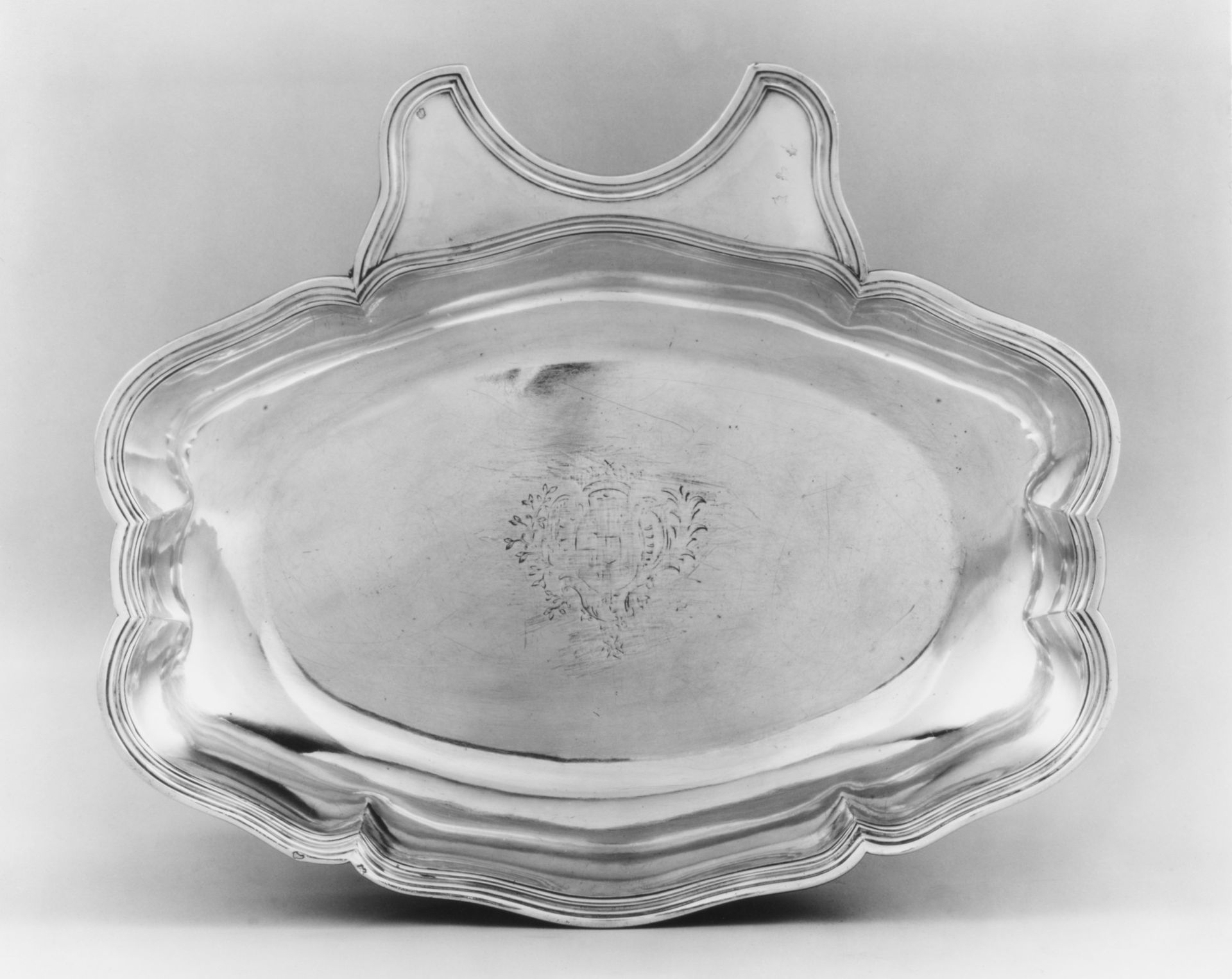
This elegant basin with shaving attachment was made by Jean Fauche in the 18th century, out of solid silver. Silver, with its soft luster, has always been prized, but it is also highly workable. To create a form like this, the silversmith would have repeatedly heated and hammered the material, gradually coaxing it into shape. Look at the rippling rim and the embossed heraldic crest – these details speak to the great amount of hand work and skill involved. The basin is more than a functional object; it's a statement of wealth, part of the rituals of aristocratic life. It bridges the gap between the functional and the artistic, elevating a mundane task, shaving, into something altogether more refined. Consider how deeply the qualities of a material like silver, and the hand processes used to shape it, can imbue even the most humble object with cultural significance.
Basin with shaving attachment
1745 - 1761


Artwork details
- Medium
- silver, sculpture
- Dimensions
- Overall: 2 1/2 × 10 1/2 × 13 in. (6.4 × 26.7 × 33 cm)
- Location
- Metropolitan Museum of Art, New York, NY
- Copyright
- Public Domain
Tags
Comments
Share your thoughts
About this artwork
This elegant basin with shaving attachment was made by Jean Fauche in the 18th century, out of solid silver. Silver, with its soft luster, has always been prized, but it is also highly workable. To create a form like this, the silversmith would have repeatedly heated and hammered the material, gradually coaxing it into shape. Look at the rippling rim and the embossed heraldic crest – these details speak to the great amount of hand work and skill involved. The basin is more than a functional object; it's a statement of wealth, part of the rituals of aristocratic life. It bridges the gap between the functional and the artistic, elevating a mundane task, shaving, into something altogether more refined. Consider how deeply the qualities of a material like silver, and the hand processes used to shape it, can imbue even the most humble object with cultural significance.
Comments
Share your thoughts