About this artwork
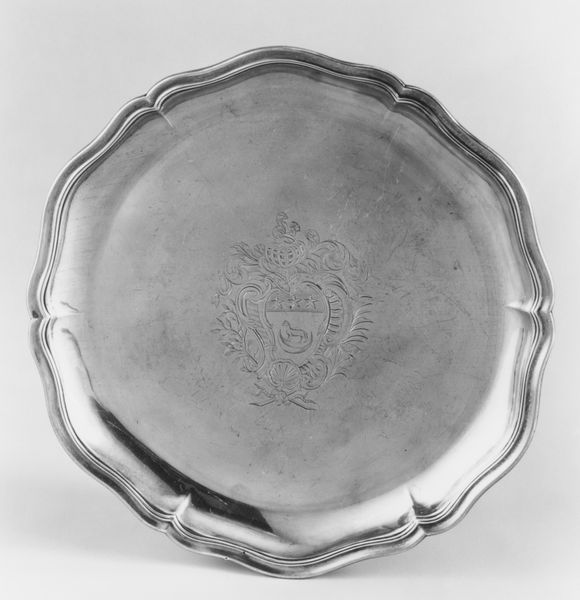
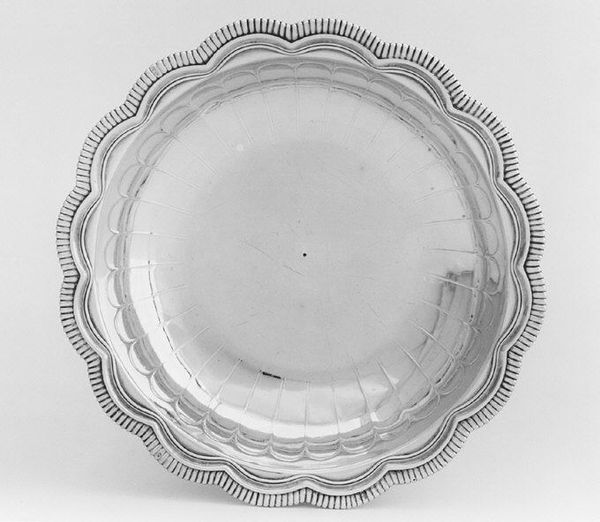
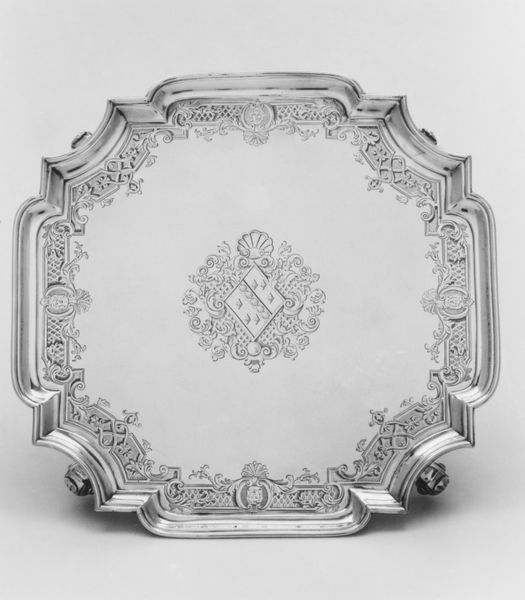
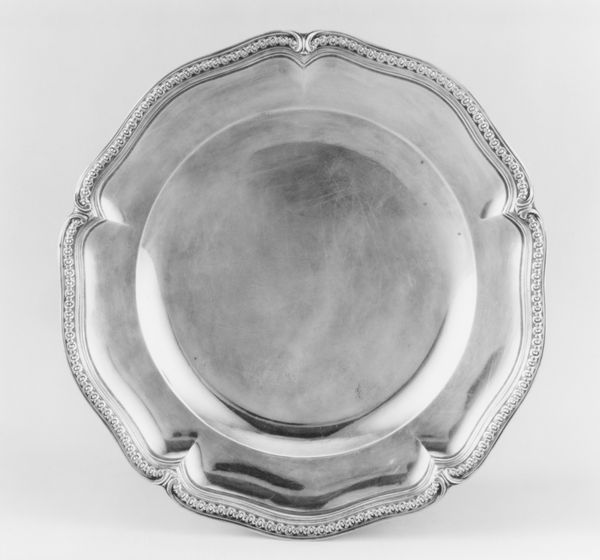
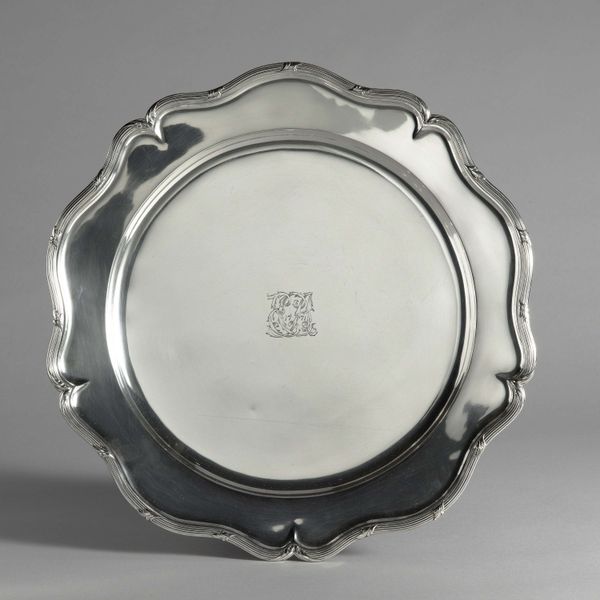
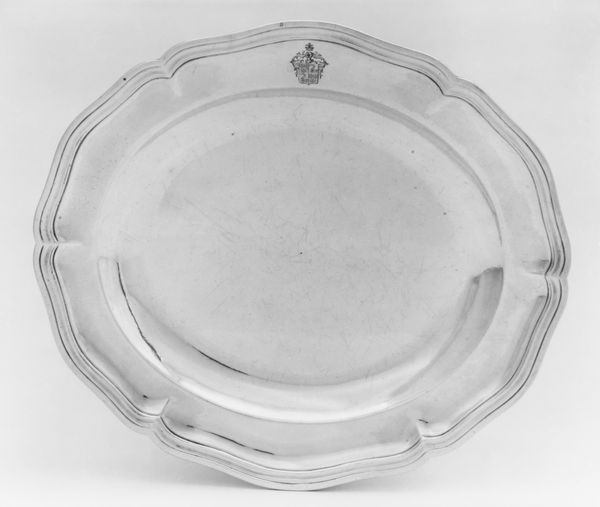
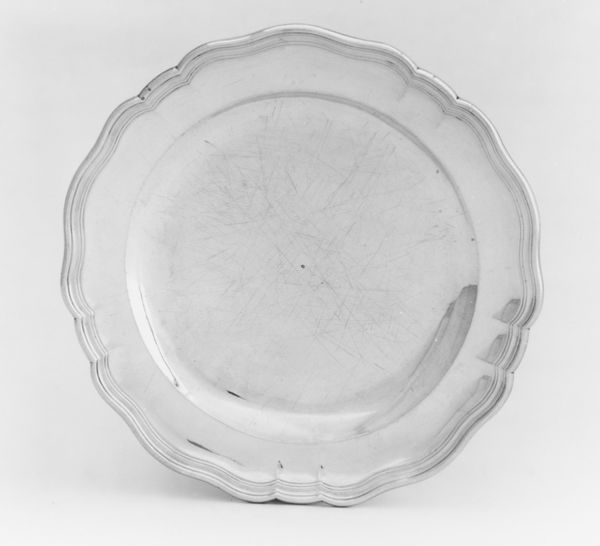
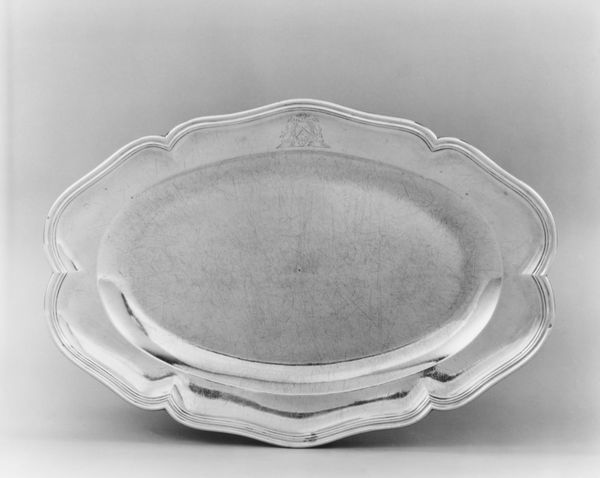
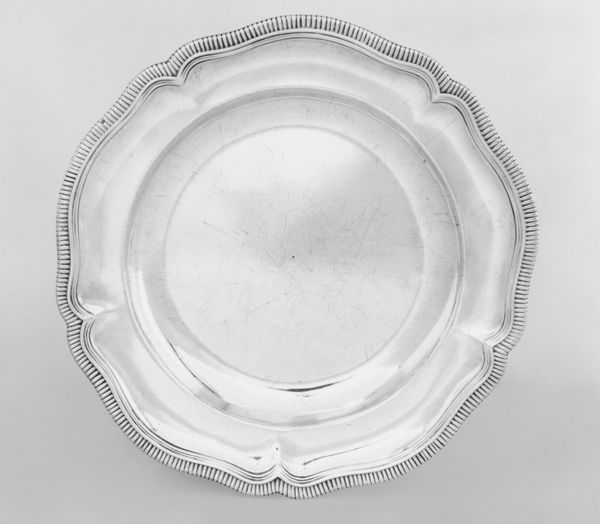
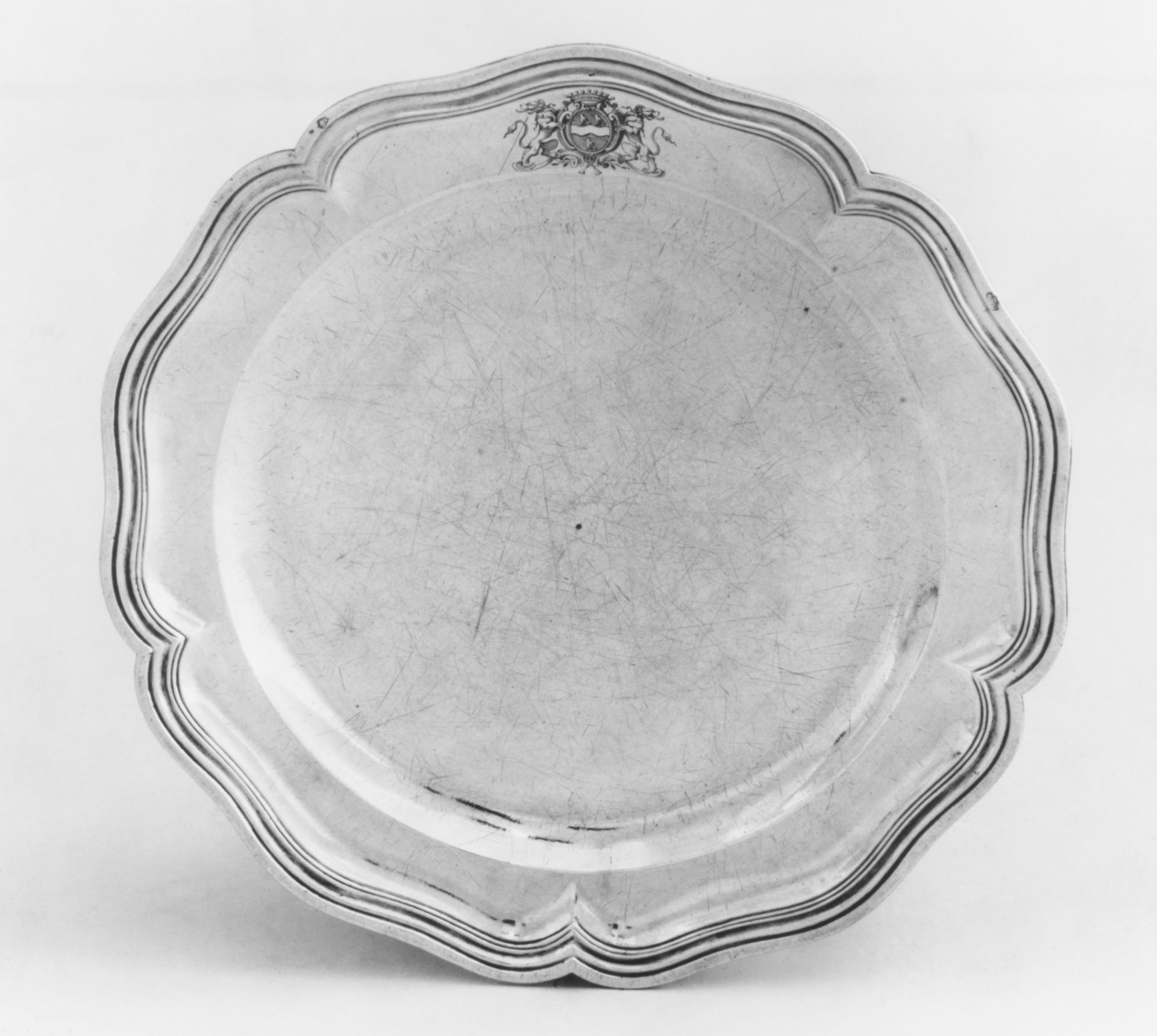
This silver plate was crafted by Paul Soulaine, a master silversmith, sometime between the late 17th and early 18th centuries. At the top, there’s an elaborate crest, a heraldic device flanked by what appears to be two winged cherubs, symbols of divine favor and nobility. The use of heraldry takes us back to medieval Europe, where crests served as identifiers in battle and emblems of lineage. Think of family banners waving proudly during the Crusades. In a psychoanalytic sense, these symbols speak to our deep-seated need for identity and belonging, a visual anchor to family history. Interestingly, the cherubs, reminiscent of classical putti, find their roots in ancient Roman art and reappear during the Renaissance, often adorning tombs and religious scenes, signifying innocence and spirituality. This reveals the cyclical nature of symbols, evolving yet persistently resurfacing, each time colored by the cultural milieu. Their presence here transforms a simple plate into a carrier of history, echoing the collective memories that define us.
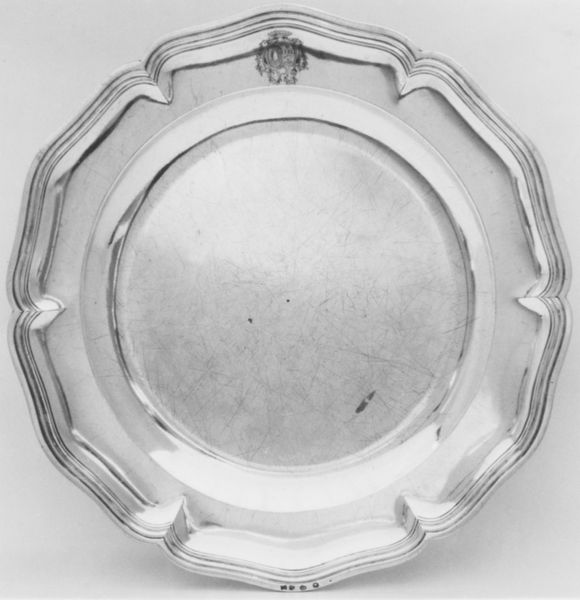
Plate
1755 - 1756
Artwork details
- Medium
- silver, metal, ceramic, sculpture
- Dimensions
- Diameter: 10 in. (25.4 cm)
- Location
- Metropolitan Museum of Art, New York, NY
- Copyright
- Public Domain
Tags
Comments
Share your thoughts
About this artwork
This silver plate was crafted by Paul Soulaine, a master silversmith, sometime between the late 17th and early 18th centuries. At the top, there’s an elaborate crest, a heraldic device flanked by what appears to be two winged cherubs, symbols of divine favor and nobility. The use of heraldry takes us back to medieval Europe, where crests served as identifiers in battle and emblems of lineage. Think of family banners waving proudly during the Crusades. In a psychoanalytic sense, these symbols speak to our deep-seated need for identity and belonging, a visual anchor to family history. Interestingly, the cherubs, reminiscent of classical putti, find their roots in ancient Roman art and reappear during the Renaissance, often adorning tombs and religious scenes, signifying innocence and spirituality. This reveals the cyclical nature of symbols, evolving yet persistently resurfacing, each time colored by the cultural milieu. Their presence here transforms a simple plate into a carrier of history, echoing the collective memories that define us.
Comments
Share your thoughts