c. 1855 - 1859
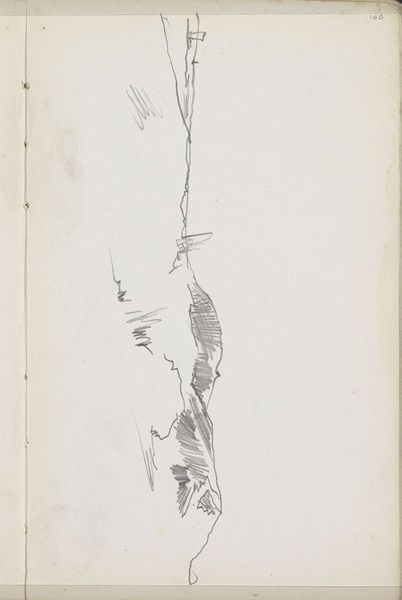
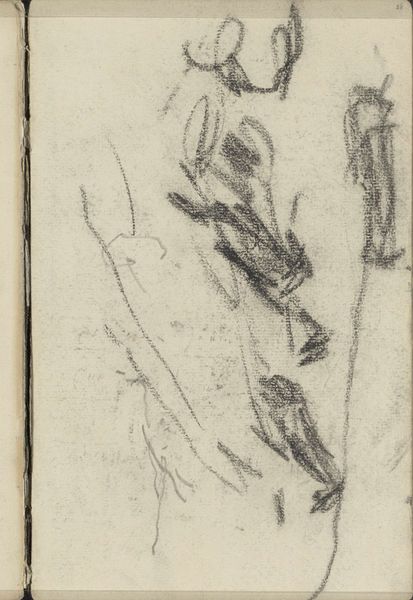
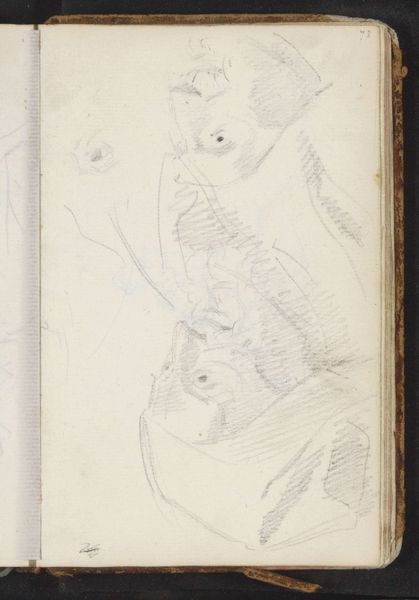
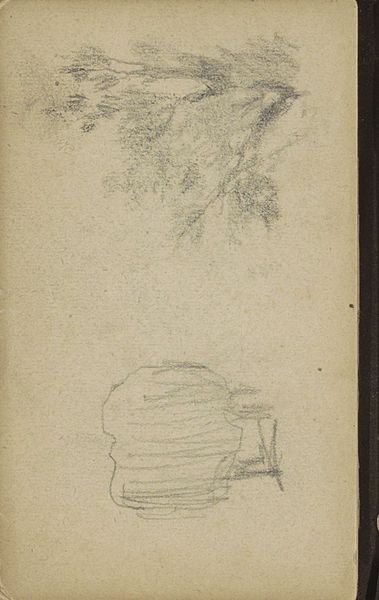
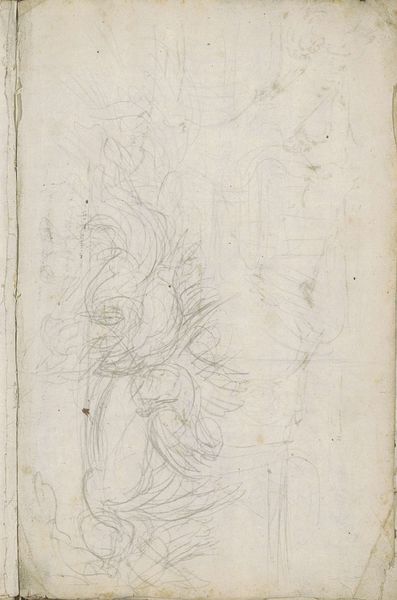
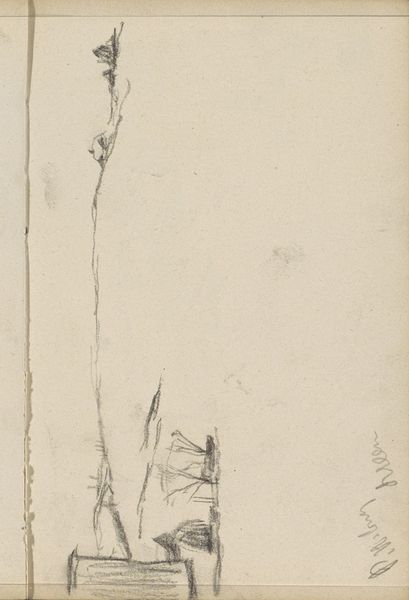
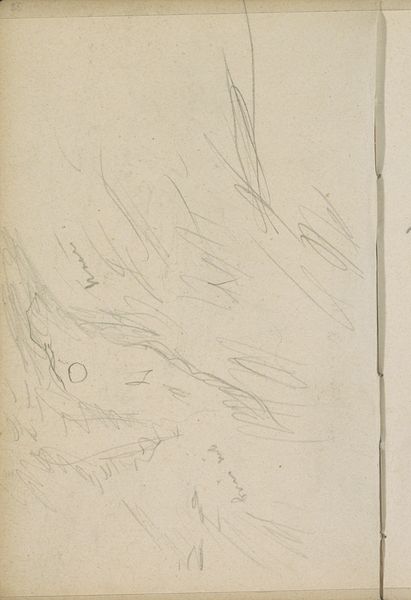
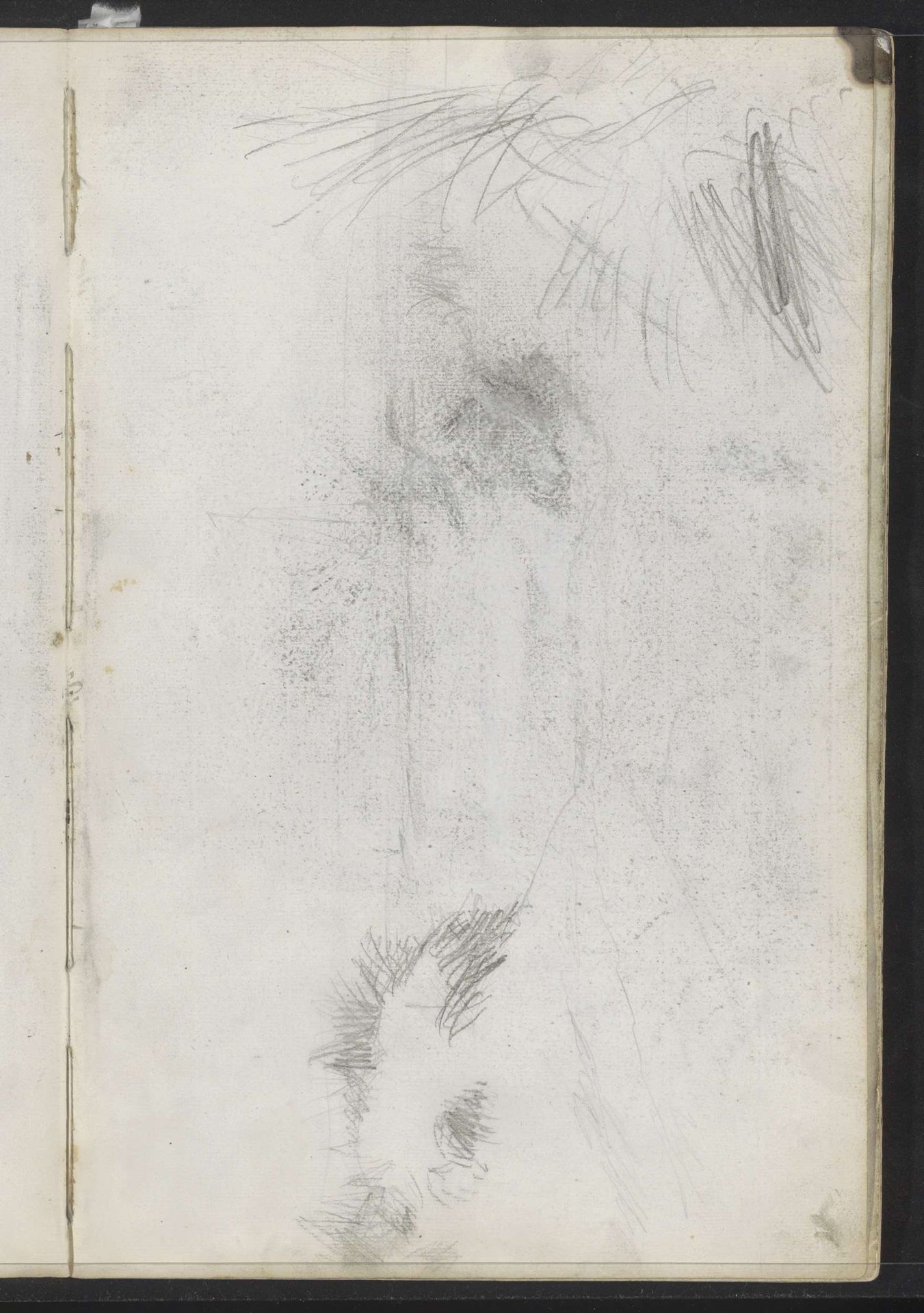
Pad in de duinen met uitzicht op zee

Jozef Israëls
1824 - 1911Location
RijksmuseumListen to curator's interpretation
Curatorial notes
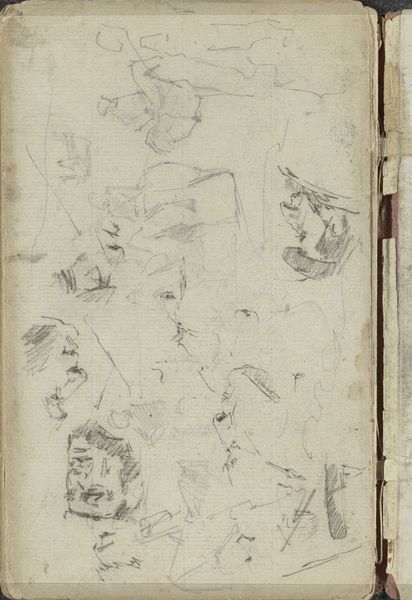
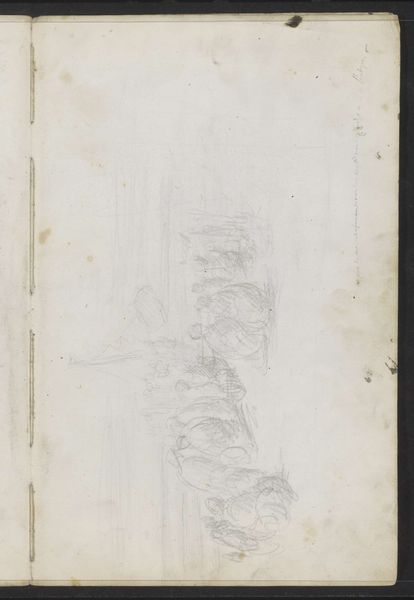
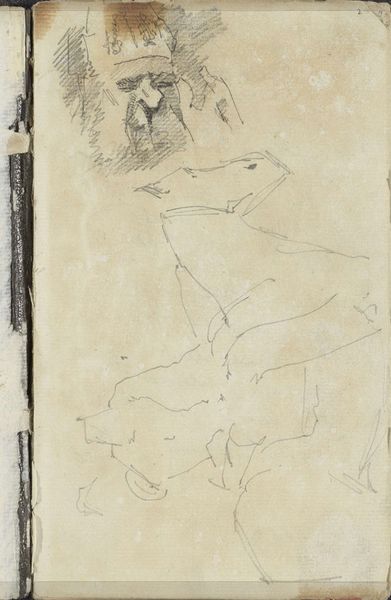
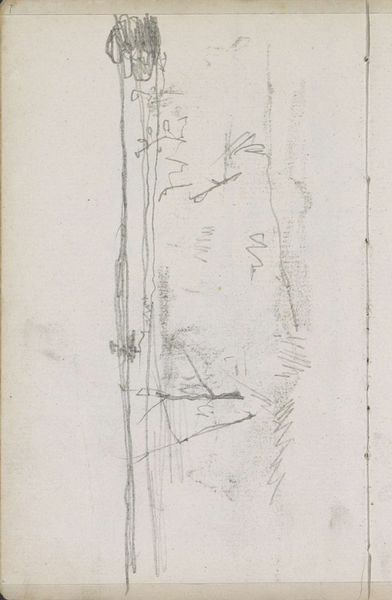
Jozef Israëls rendered this sketch, "Path in the Dunes with a View of the Sea" with graphite on paper. The path, a powerful symbol, is a motif as old as art itself. Consider how often the path appears in art across cultures, leading the viewer's eye and mind into the unknown. This motif is deeply entrenched in our collective unconscious, representing journeys, choices, and the passage of time. From ancient labyrinths symbolizing life's trials to the serene paths in Chinese landscape paintings representing spiritual journeys, the path embodies both physical and metaphysical exploration. Similarly, the recurring image of the sea embodies the subconscious. It is a powerful force engaging viewers on a deep, subconscious level and conveying intense emotional states. The path and the sea—symbols that cyclically resurface, evolve, and take on new meanings in different historical contexts.