c. 1909
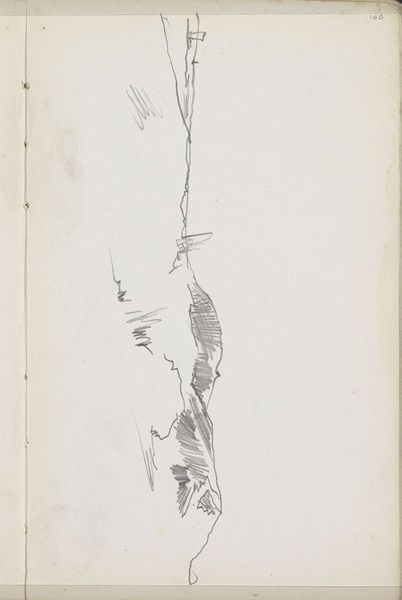
Heuvelachtig landschap in Pittsburgh

George Hendrik Breitner
@georgehendrikbreitnerLocation
RijksmuseumListen to curator's interpretation
Curatorial notes
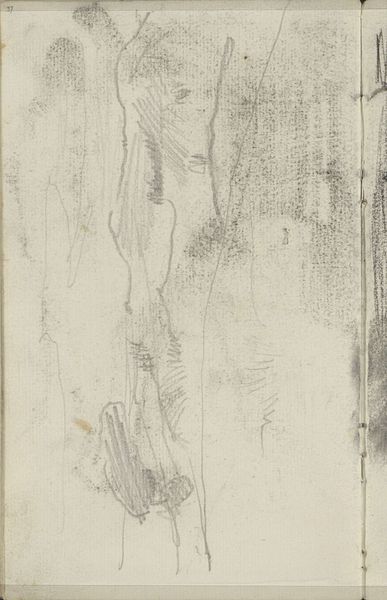
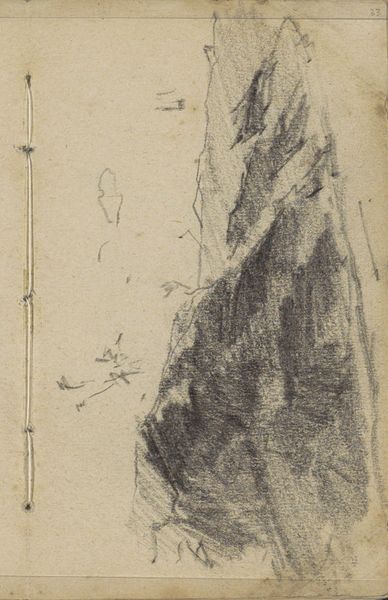
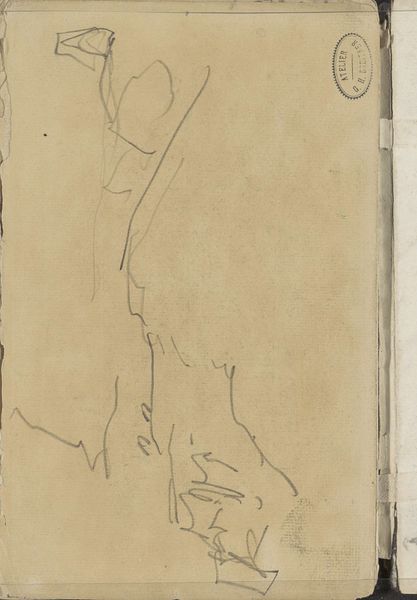
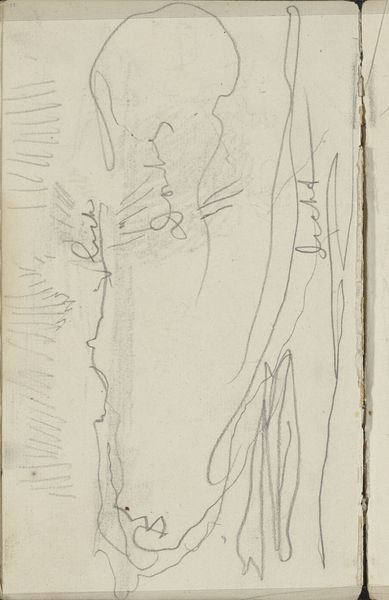
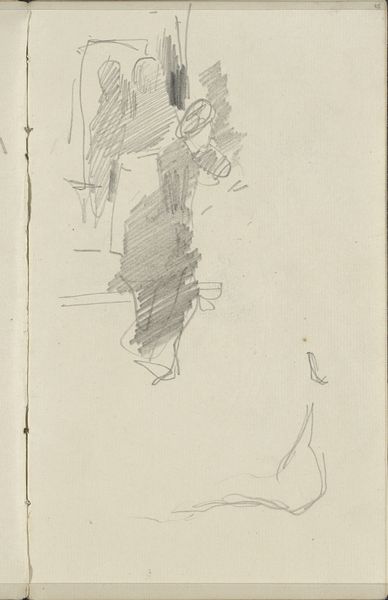
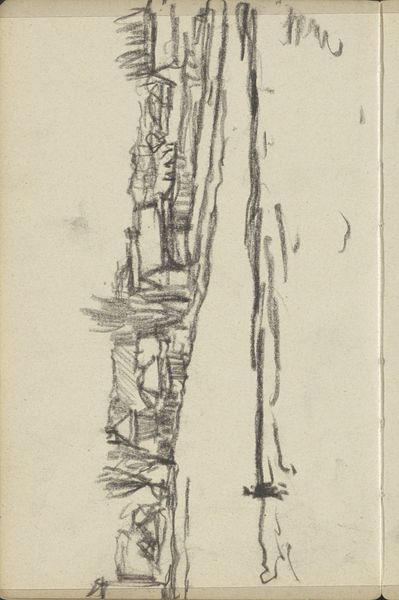
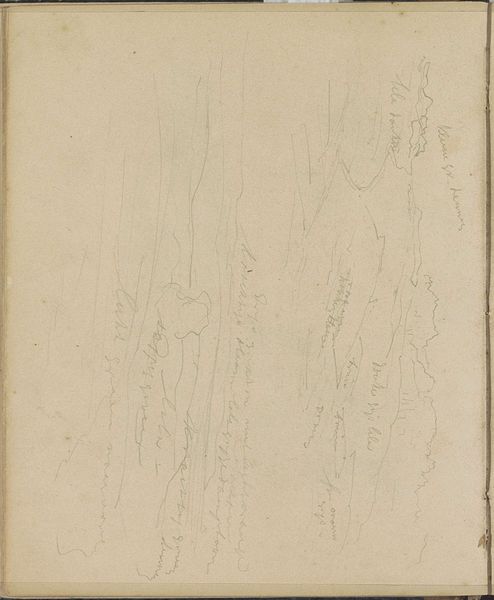
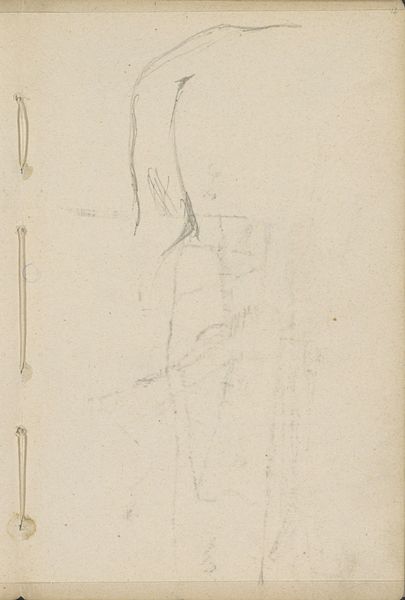
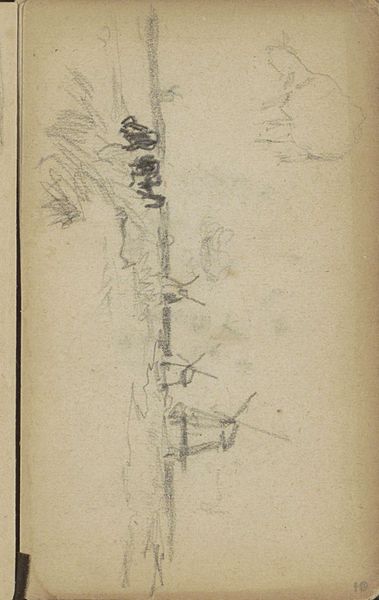
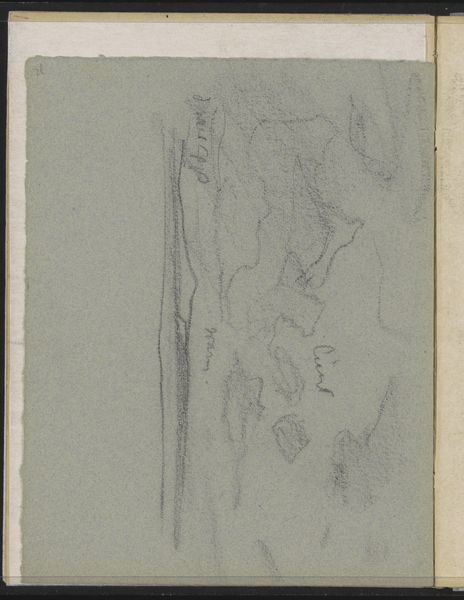
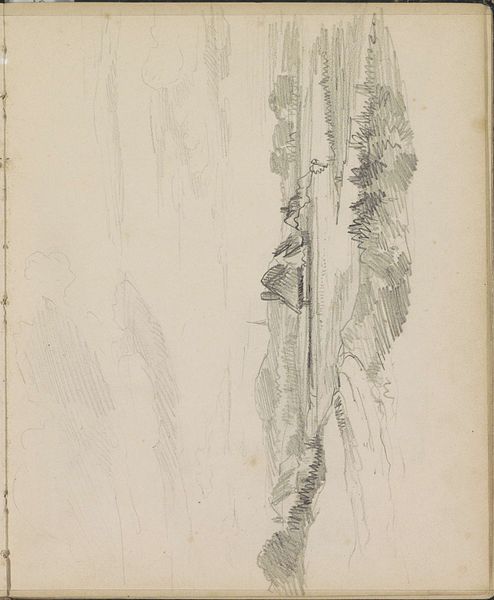
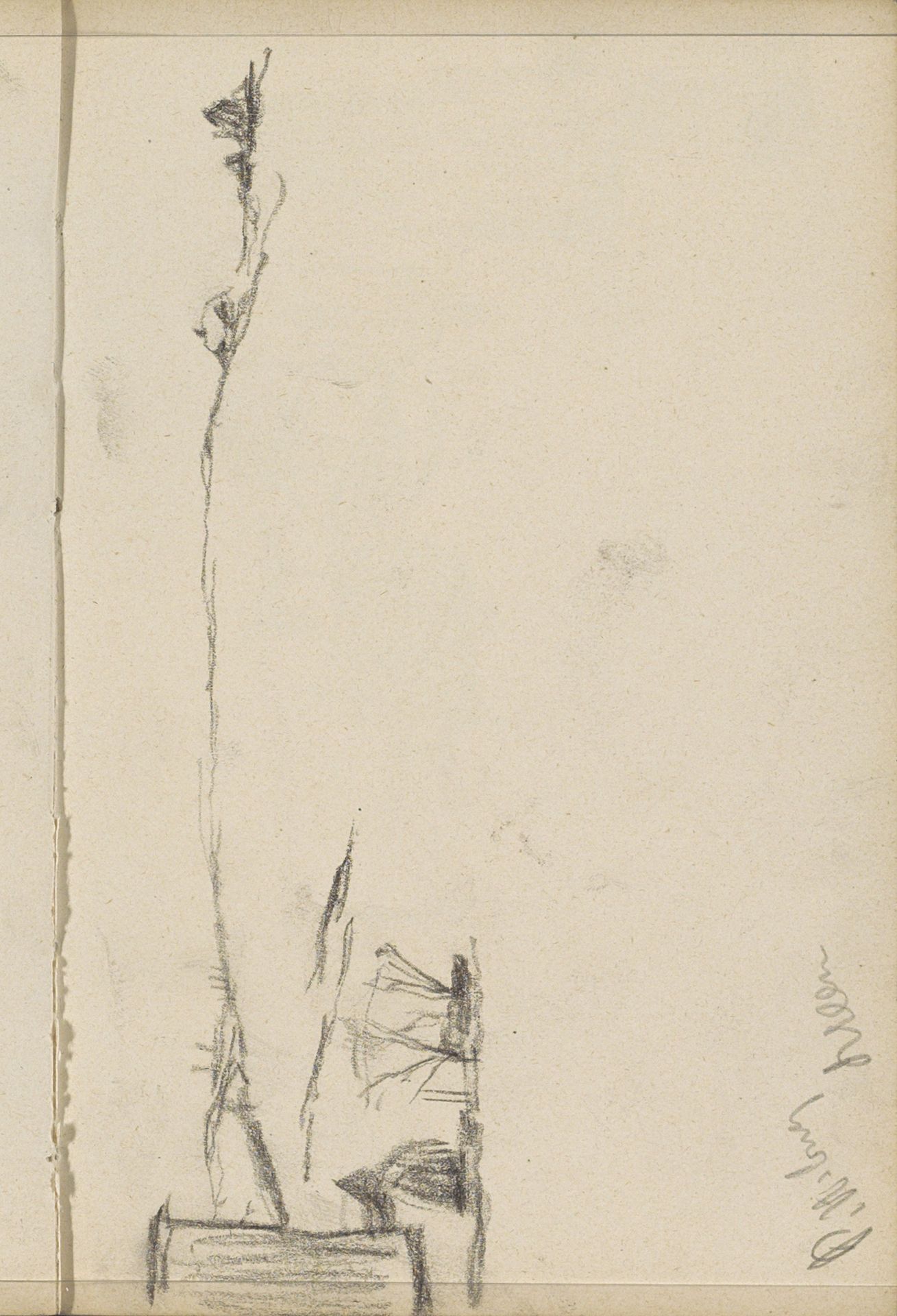
Editor: Here we have George Hendrik Breitner's "Hilly Landscape in Pittsburgh," a pencil drawing from around 1909, currently at the Rijksmuseum. There's a stark quality to it – quite minimalist. What do you see in this piece? Curator: It’s fascinating how Breitner captures Pittsburgh's nascent industrial landscape. The rapid urbanisation in early 20th-century Pittsburgh meant immense social upheaval, driven by capitalist interests, leaving large populations in marginalized conditions. The bleakness of the sketch reflects the impact of industrialization, which disproportionately affected working-class communities and people of color. Editor: So you're seeing this as a commentary on the effects of industry, even in its seeming simplicity? Curator: Precisely. This cityscape invites us to consider the historical moment and the inequalities inherent in industrial expansion. Notice how the sketch doesn't celebrate progress but rather offers a muted, almost desolate perspective. What stories might be obscured by this rapid "progress"? Whose voices are missing? Editor: It does feel less like a celebration and more like…an observation. I hadn't considered the silenced narratives. Curator: Consider also how the landscape is drawn with a rough immediacy. How does the sketch style inform your understanding of Breitner's perspective on Pittsburgh and industrial capitalism? Editor: The roughness could mirror the rawness and disruptive nature of industrialization itself. A more polished style might seem like propaganda almost, if that makes sense. Curator: It makes perfect sense. By acknowledging art’s intrinsic relationship to its social and political environment, we confront uncomfortable truths and cultivate a more nuanced understanding. Editor: It's certainly changed my perception of this seemingly simple drawing. I appreciate that! Curator: And I yours. Engaging with art in this way allows us to grapple with historical forces that continue to shape our present.