About this artwork
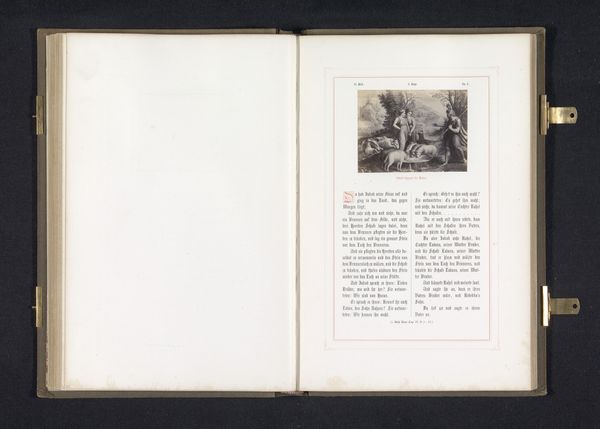
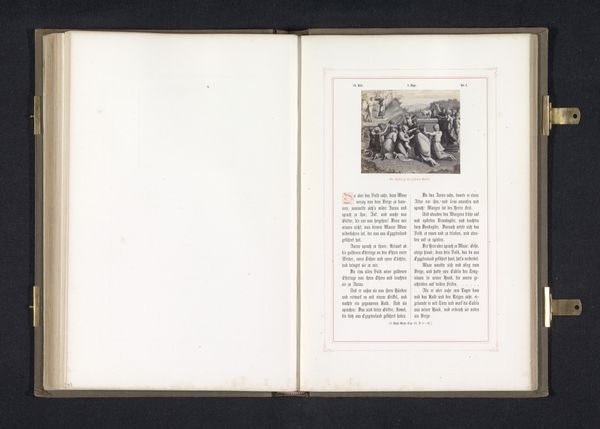
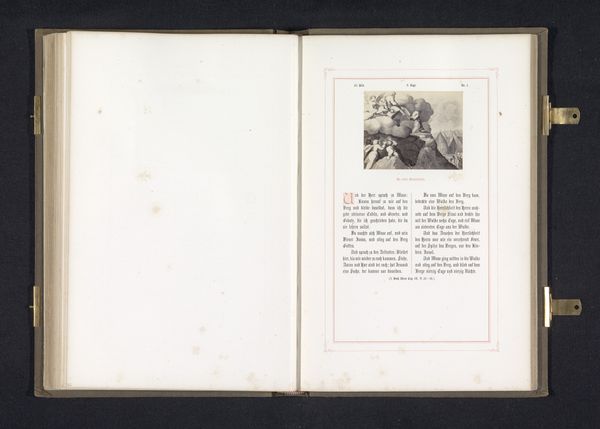
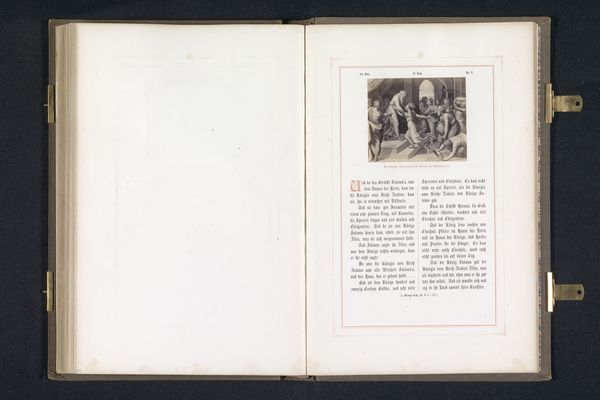
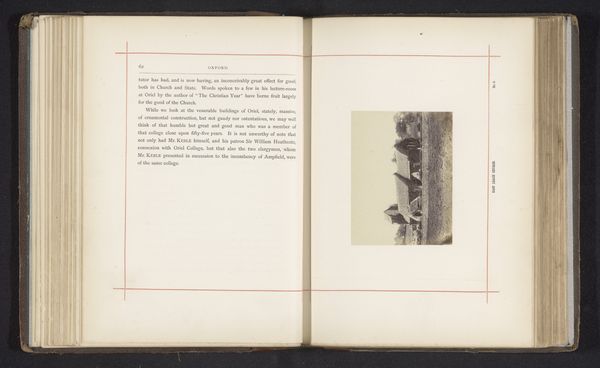
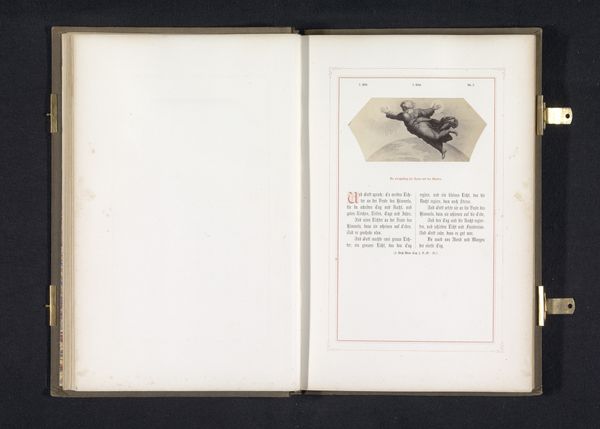
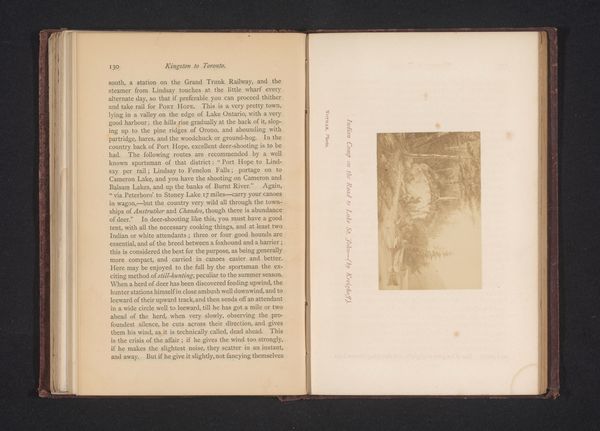
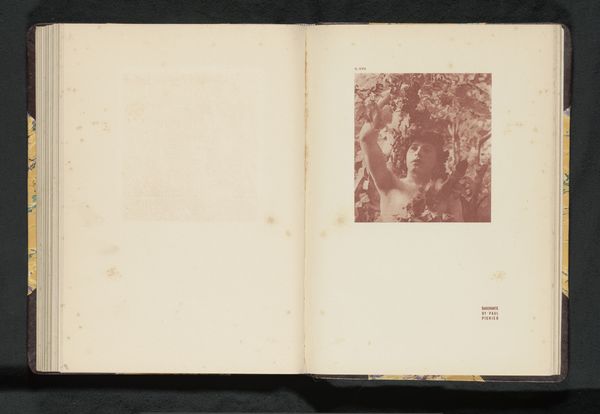
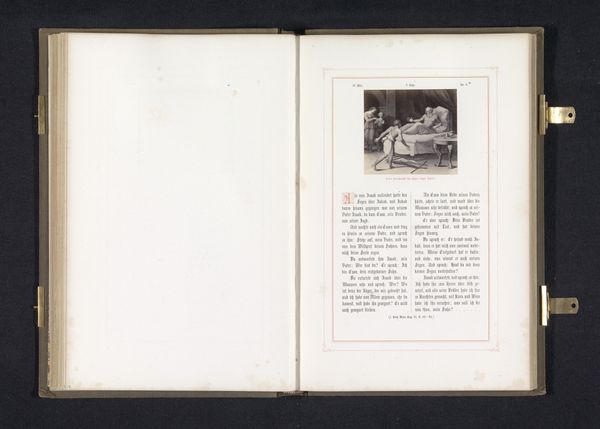
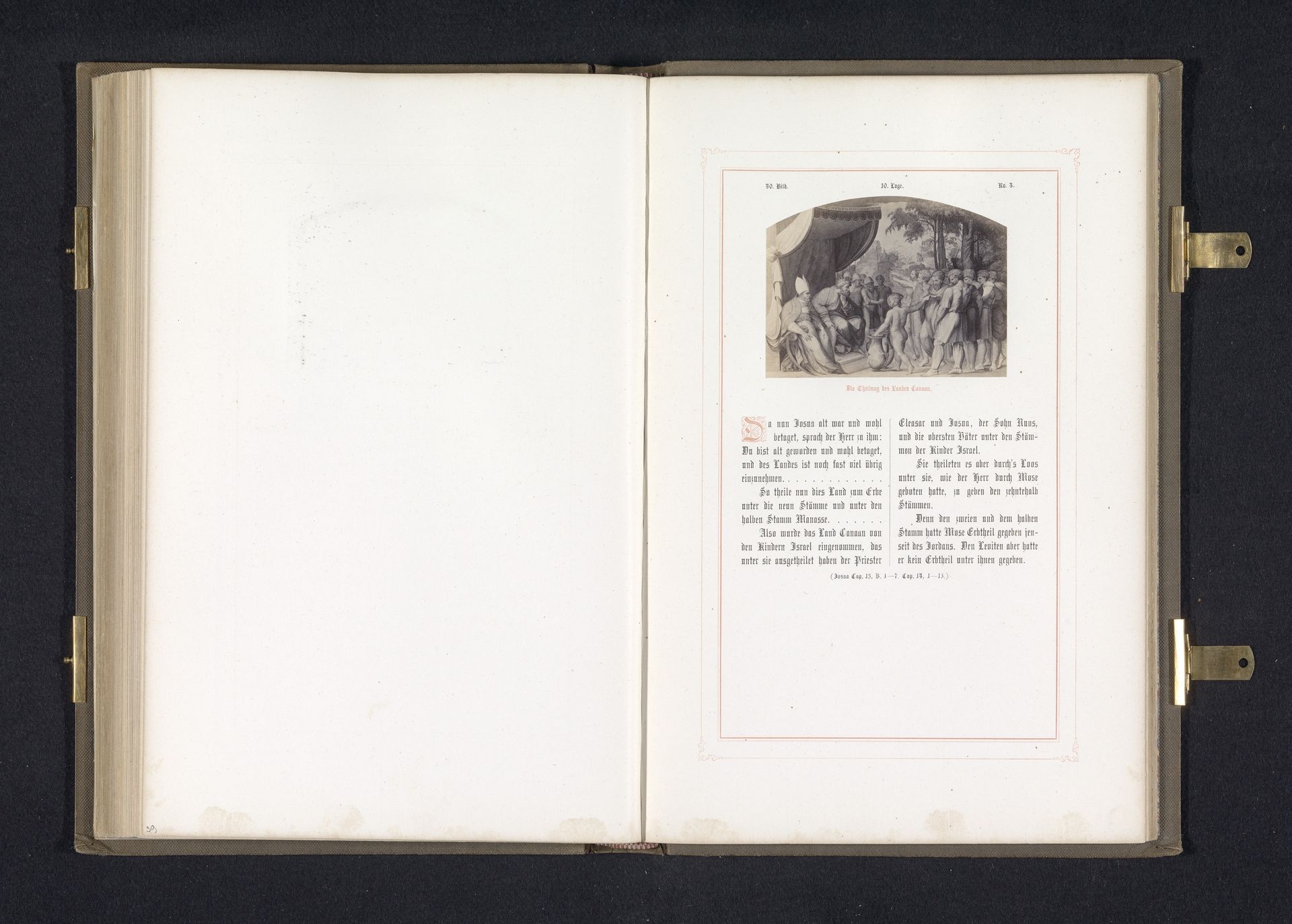
This is a photo reproduction of a print, made by Gustav Schauer in the 19th century. It depicts a fresco by Raphael, showing Joshua and Eleazar dividing Canaan. The photo reproduction process itself is interesting here. It's a layered combination of technologies, where photography enabled widespread dissemination of images, and the printmaking allowed for their mass production. The texture and weight of the photographic paper contribute to the image's physical presence, but the content points back to the labor-intensive process of fresco painting, a technique that was closely tied to wealth and patronage. Ultimately, Schauer’s reproductive print speaks to the changing ways in which art was encountered and consumed in the 19th century, through technological advancements. It also prompts us to consider labor, politics, and the consumption of images in a rapidly industrializing world.
Fotoreproductie van een prent naar een fresco van Jozua bij Eleazar voor mogelijk de verdeling van Kanaän door Rafaël voor de loggia's in het Vaticaan
before 1861

Artwork details
- Medium
- print, etching, paper, engraving
- Dimensions
- height 67 mm, width 89 mm
- Copyright
- Rijks Museum: Open Domain
Tags
Comments
Share your thoughts
About this artwork
This is a photo reproduction of a print, made by Gustav Schauer in the 19th century. It depicts a fresco by Raphael, showing Joshua and Eleazar dividing Canaan. The photo reproduction process itself is interesting here. It's a layered combination of technologies, where photography enabled widespread dissemination of images, and the printmaking allowed for their mass production. The texture and weight of the photographic paper contribute to the image's physical presence, but the content points back to the labor-intensive process of fresco painting, a technique that was closely tied to wealth and patronage. Ultimately, Schauer’s reproductive print speaks to the changing ways in which art was encountered and consumed in the 19th century, through technological advancements. It also prompts us to consider labor, politics, and the consumption of images in a rapidly industrializing world.
Comments
Share your thoughts