About this artwork
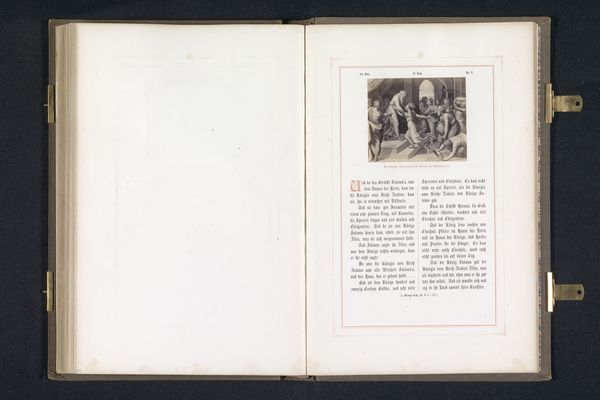
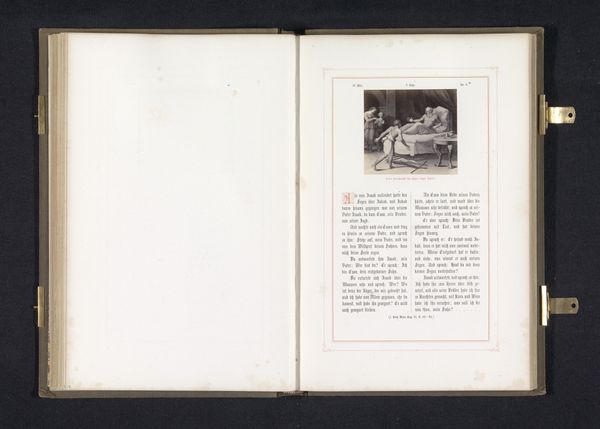
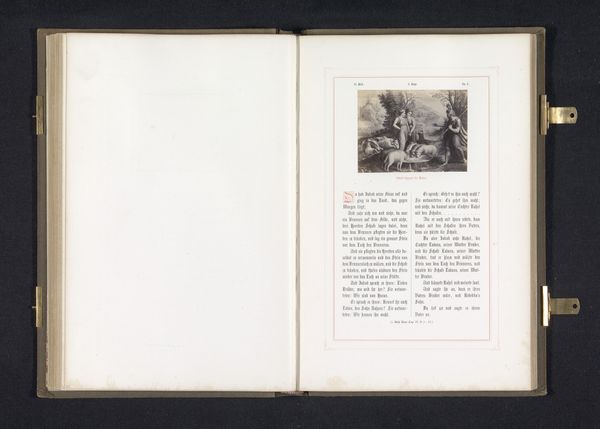
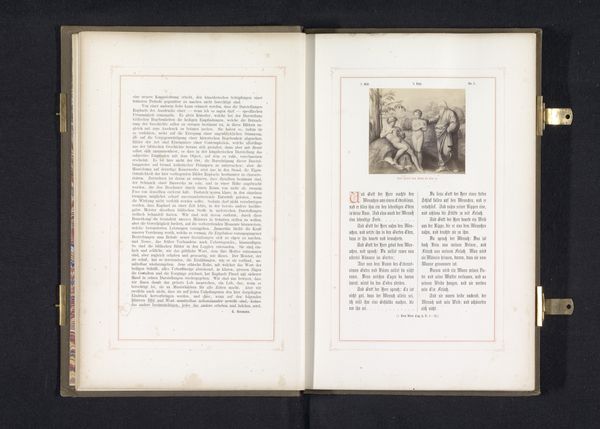
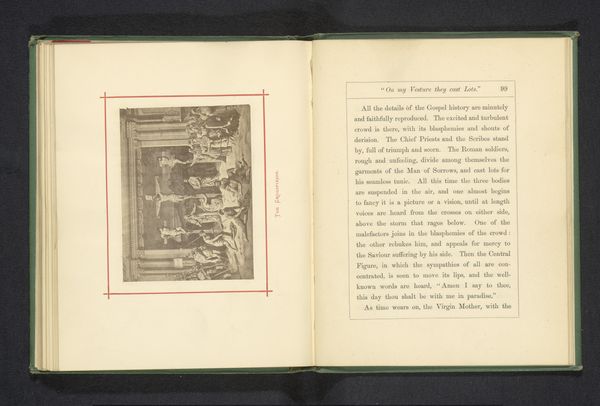
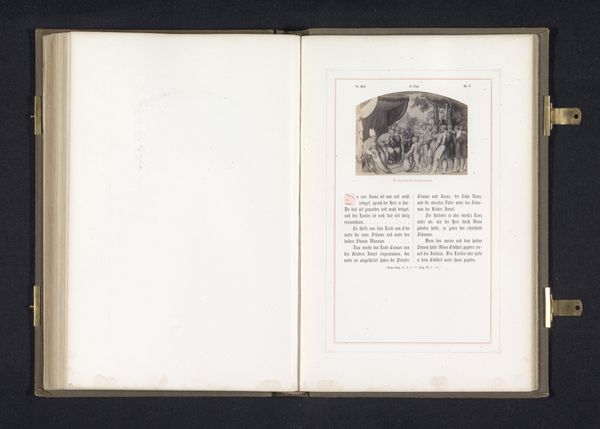
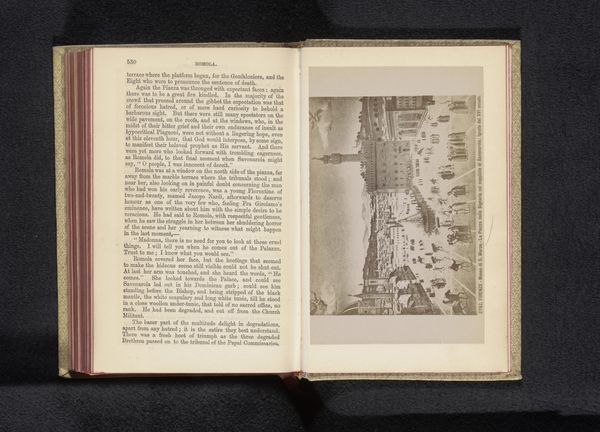
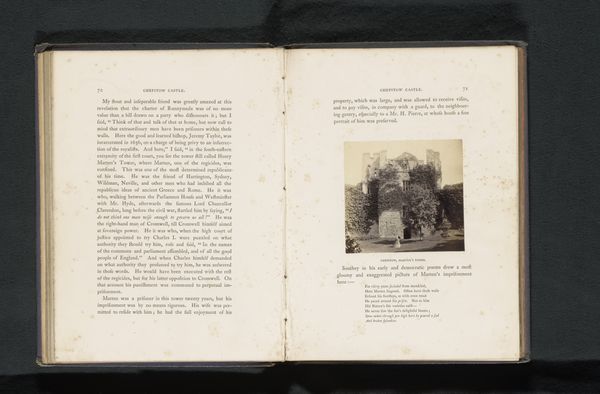
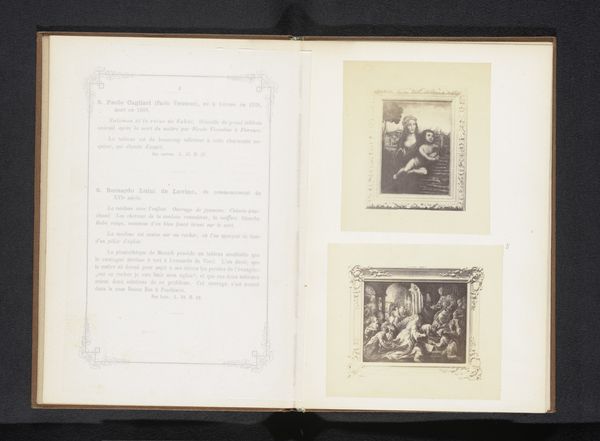
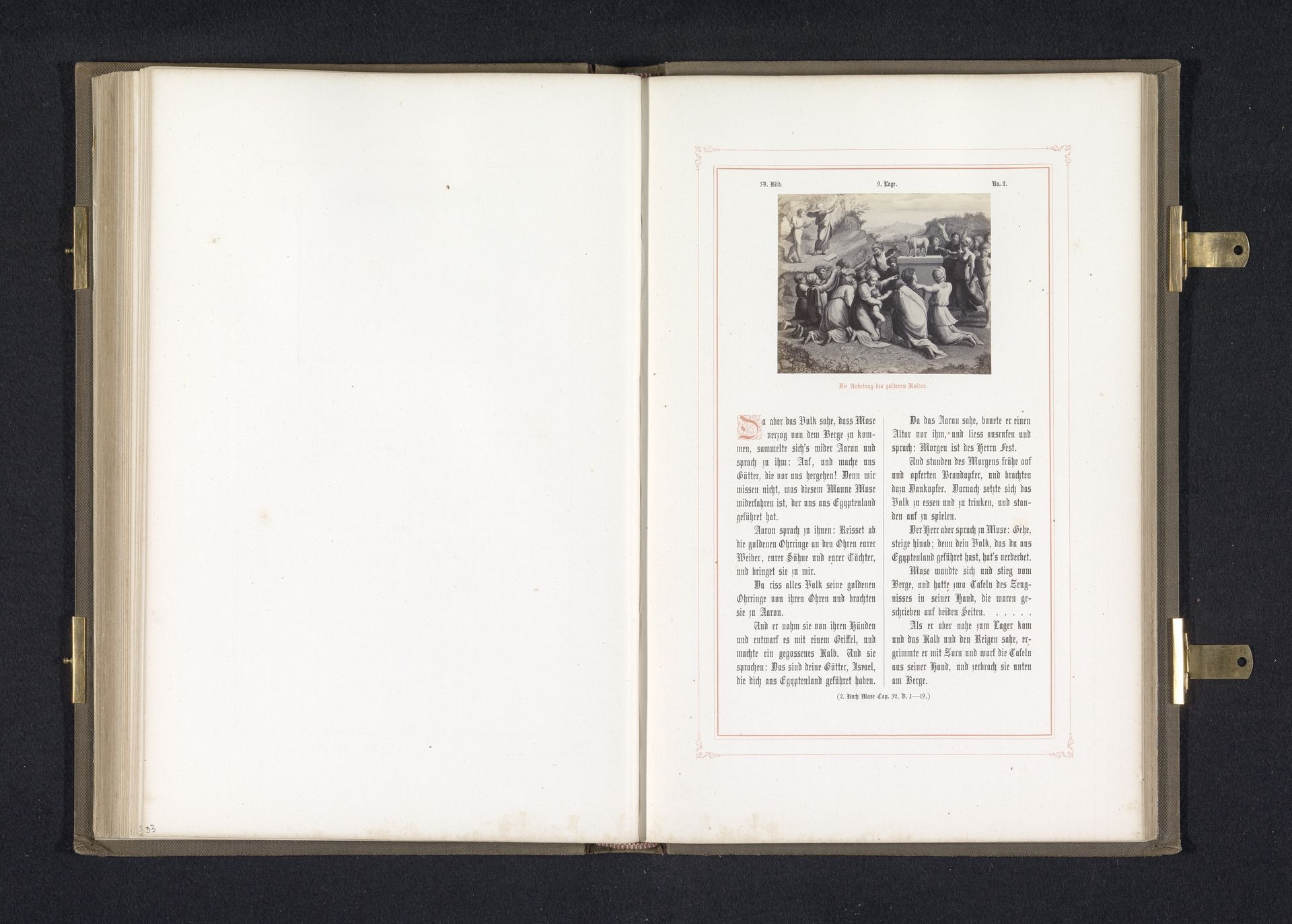
This is a photo reproduction by Gustav Schauer of a print depicting Raphael’s fresco, the 'Adoration of the Golden Calf.' The original fresco, found in the Vatican, used materials like lime plaster mixed with pigments applied directly to a wall, whereas this reproduction, on paper, utilizes photographic processes to capture the fresco’s essence. The shift from fresco to print is not just a change in scale, but of medium: it is a record, a commodity, and a vehicle for knowledge, turning a monumental scene into a portable, reproducible image. Schauer’s reproduction speaks to the nineteenth century's fascination with democratizing art, making high art accessible to a wider audience through mass production. The photographic process, while seemingly mechanical, still requires skill and labor. The transition of art through this era is a reflection of the changing social and economic contexts of art making.
Fotoreproductie van een prent naar een fresco van de aanbidding van het gouden kalf door Rafaël voor de loggia's in het Vaticaan
before 1861

Artwork details
- Medium
- drawing, print, paper, engraving
- Dimensions
- height 67 mm, width 79 mm
- Copyright
- Rijks Museum: Open Domain
Tags
Comments
Share your thoughts
About this artwork
This is a photo reproduction by Gustav Schauer of a print depicting Raphael’s fresco, the 'Adoration of the Golden Calf.' The original fresco, found in the Vatican, used materials like lime plaster mixed with pigments applied directly to a wall, whereas this reproduction, on paper, utilizes photographic processes to capture the fresco’s essence. The shift from fresco to print is not just a change in scale, but of medium: it is a record, a commodity, and a vehicle for knowledge, turning a monumental scene into a portable, reproducible image. Schauer’s reproduction speaks to the nineteenth century's fascination with democratizing art, making high art accessible to a wider audience through mass production. The photographic process, while seemingly mechanical, still requires skill and labor. The transition of art through this era is a reflection of the changing social and economic contexts of art making.
Comments
Share your thoughts