About this artwork
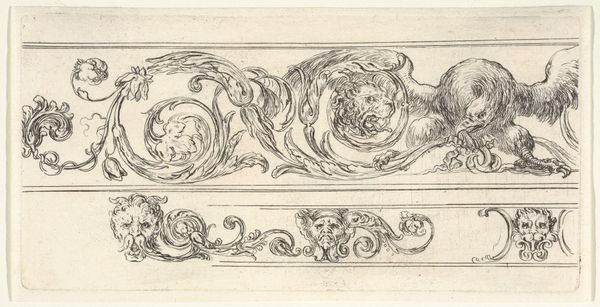
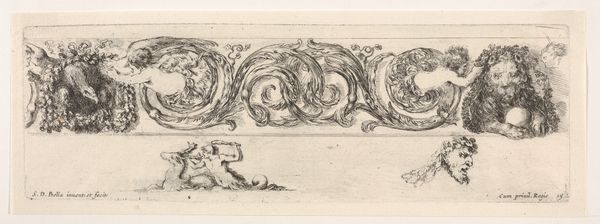
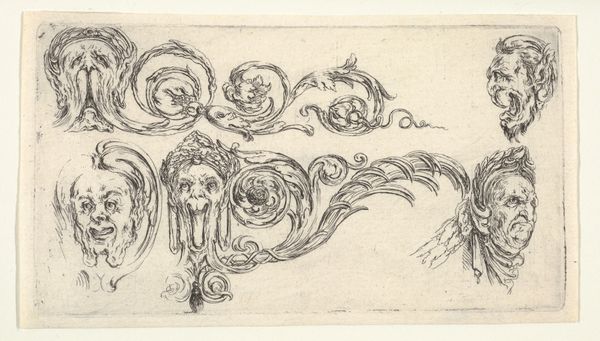
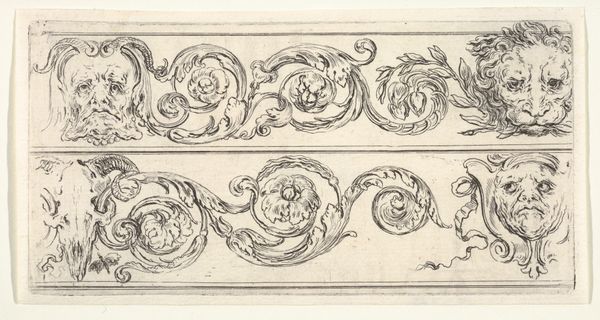
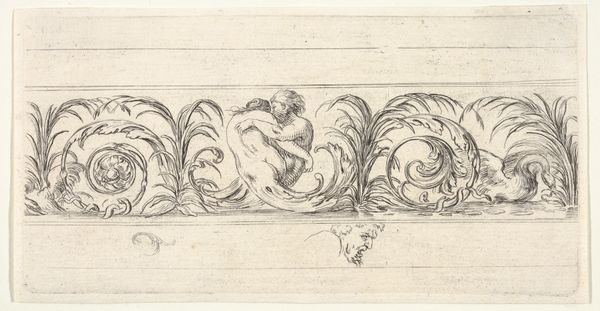
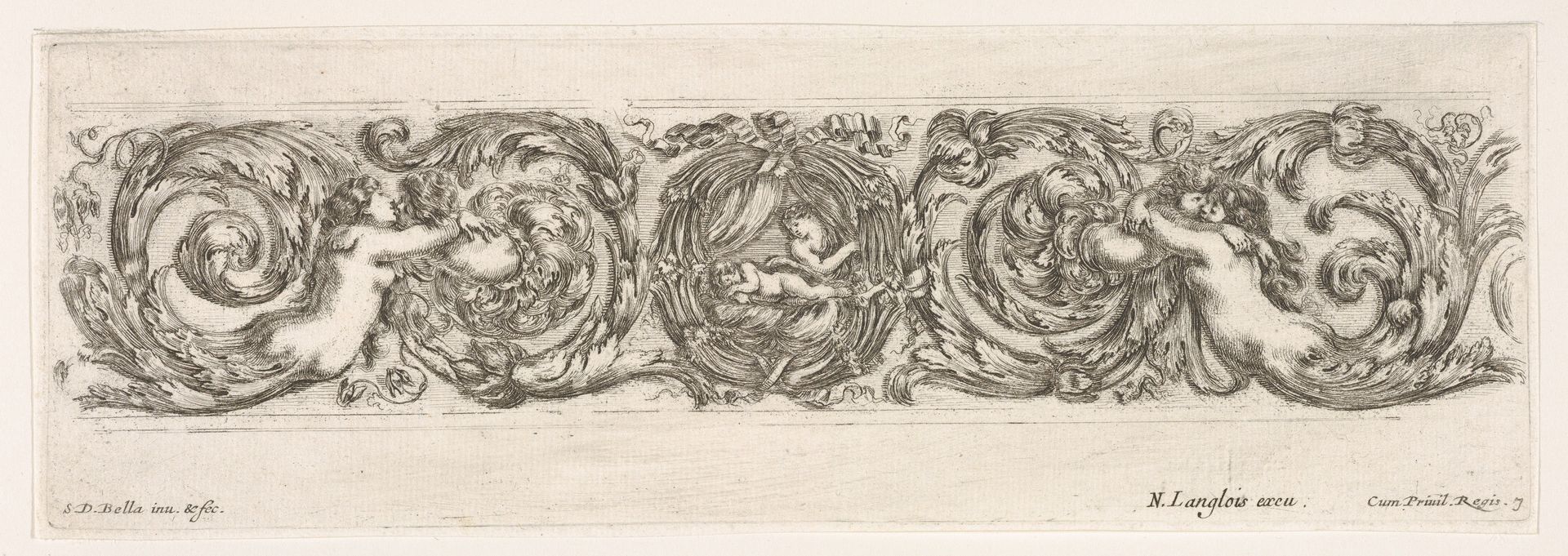
Stefano della Bella created this etching called 'Design for a Frieze with Acanthus Scrolls with the Theme of Love' in the 17th century. The artwork reflects the Baroque style which was favored by the aristocratic class and the Catholic church for its grandiose sense of drama. In this delicate frieze, images of love are interlaced between acanthus scrolls. In the center, a cherubic infant lies peacefully in its cradle, while on either side, female figures emerge from the foliage, their bodies twisting to blend with the curling leaves. During della Bella’s time, love was often depicted through the lens of classical mythology, reinforcing societal norms around courtship, marriage, and family. Yet here, the mythological, natural and human blend together suggesting a more fluid, less prescriptive approach to love. The print invites us to consider the roles of love and beauty in shaping our lives and surroundings. It’s a tender expression of humanity’s connection to nature, filtered through the elaborate lens of Baroque aesthetics.
Design for a Frieze with Acanthus Scrolls with the Theme of Love, Plate 7 from: 'Decorative friezes and foliage' (Ornamenti di fregi e fogliami)
1645 - 1650

Stefano della Bella
1610 - 1664
The Metropolitan Museum of Art
Metropolitan Museum of Art, New York, NYArtwork details
- Medium
- drawing, ornament, print, etching, fresco
- Dimensions
- Sheet: 3 1/4 × 9 3/4 in. (8.3 × 24.7 cm)
- Location
- Metropolitan Museum of Art, New York, NY
- Copyright
- Public Domain
Tags
Comments
Share your thoughts
About this artwork
Stefano della Bella created this etching called 'Design for a Frieze with Acanthus Scrolls with the Theme of Love' in the 17th century. The artwork reflects the Baroque style which was favored by the aristocratic class and the Catholic church for its grandiose sense of drama. In this delicate frieze, images of love are interlaced between acanthus scrolls. In the center, a cherubic infant lies peacefully in its cradle, while on either side, female figures emerge from the foliage, their bodies twisting to blend with the curling leaves. During della Bella’s time, love was often depicted through the lens of classical mythology, reinforcing societal norms around courtship, marriage, and family. Yet here, the mythological, natural and human blend together suggesting a more fluid, less prescriptive approach to love. The print invites us to consider the roles of love and beauty in shaping our lives and surroundings. It’s a tender expression of humanity’s connection to nature, filtered through the elaborate lens of Baroque aesthetics.
Comments
Share your thoughts