About this artwork
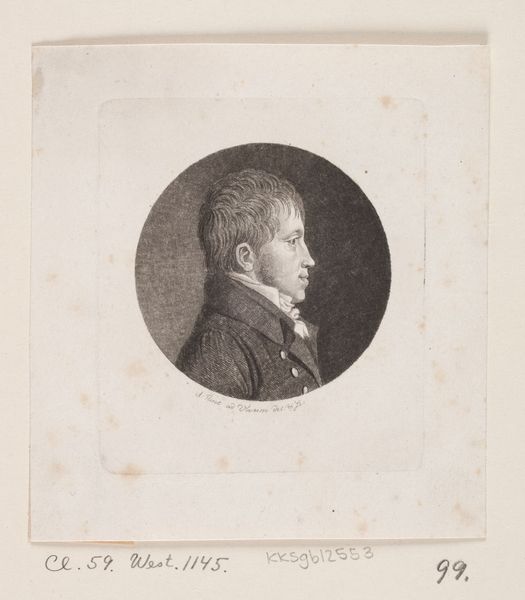
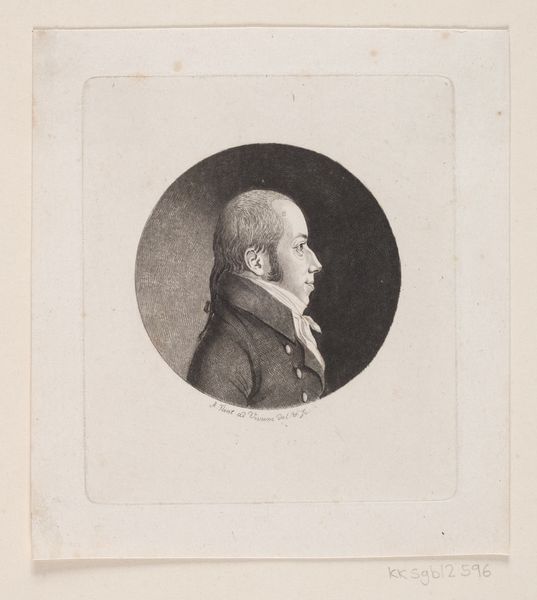
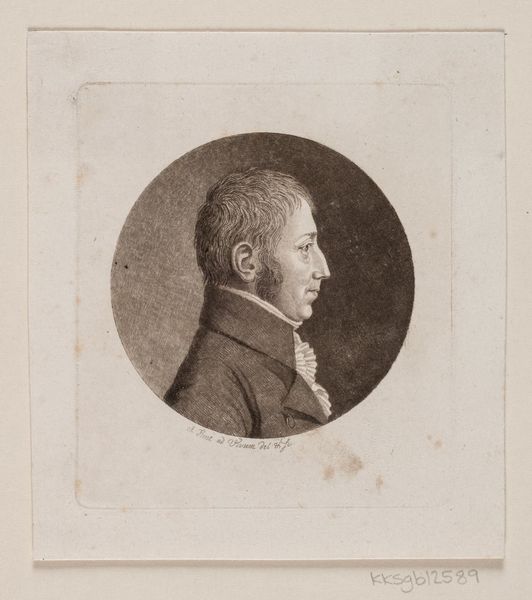
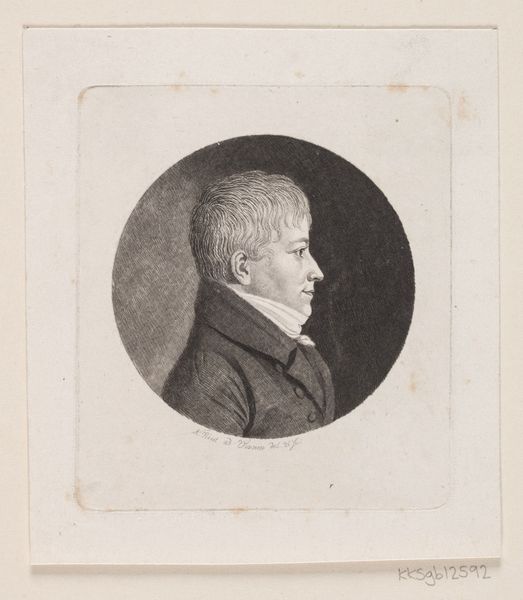
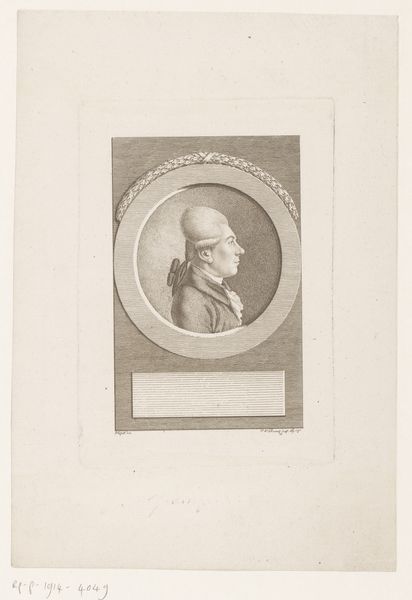
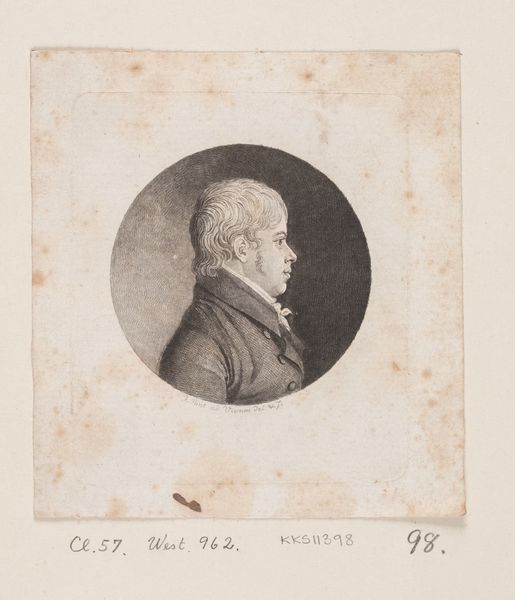
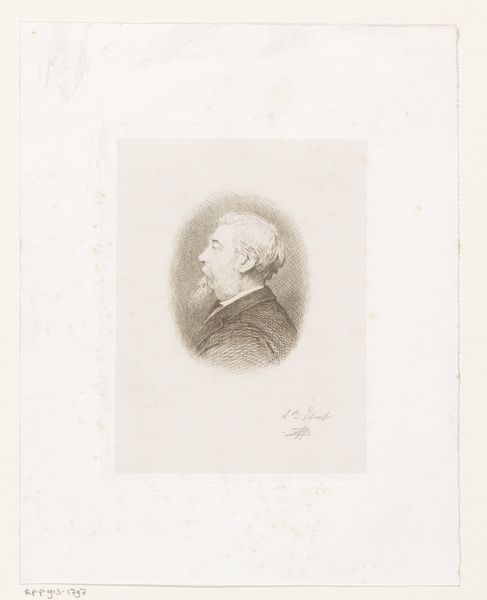
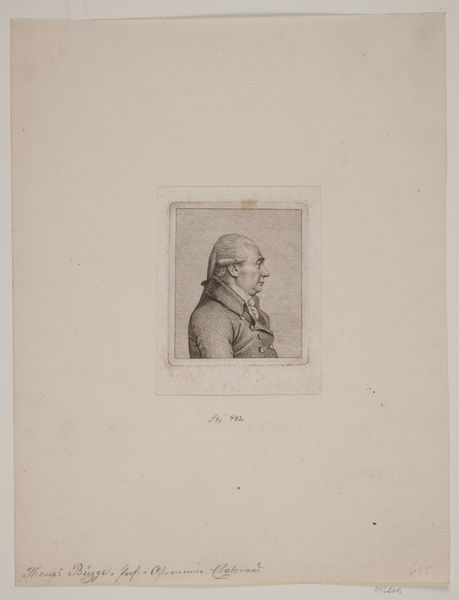
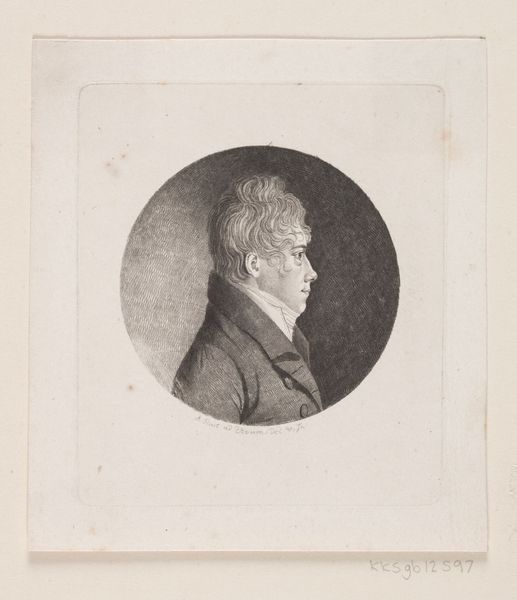
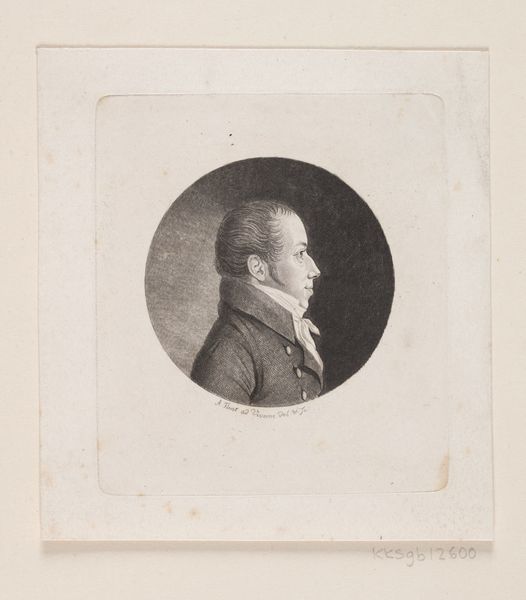
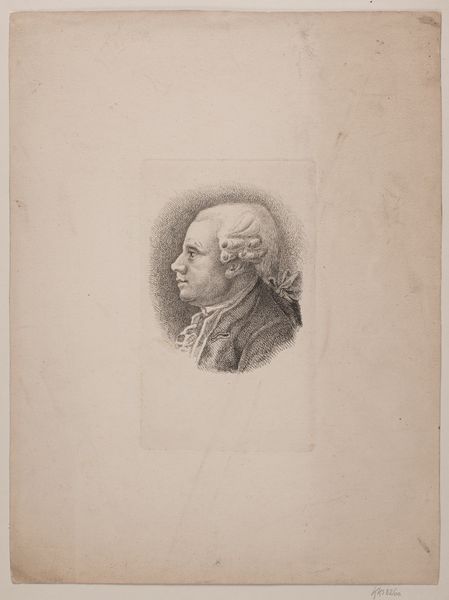
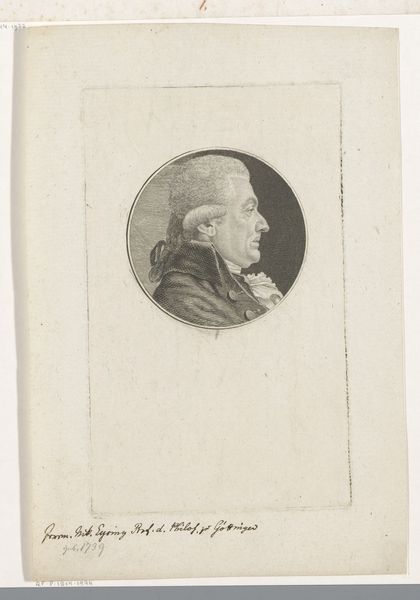
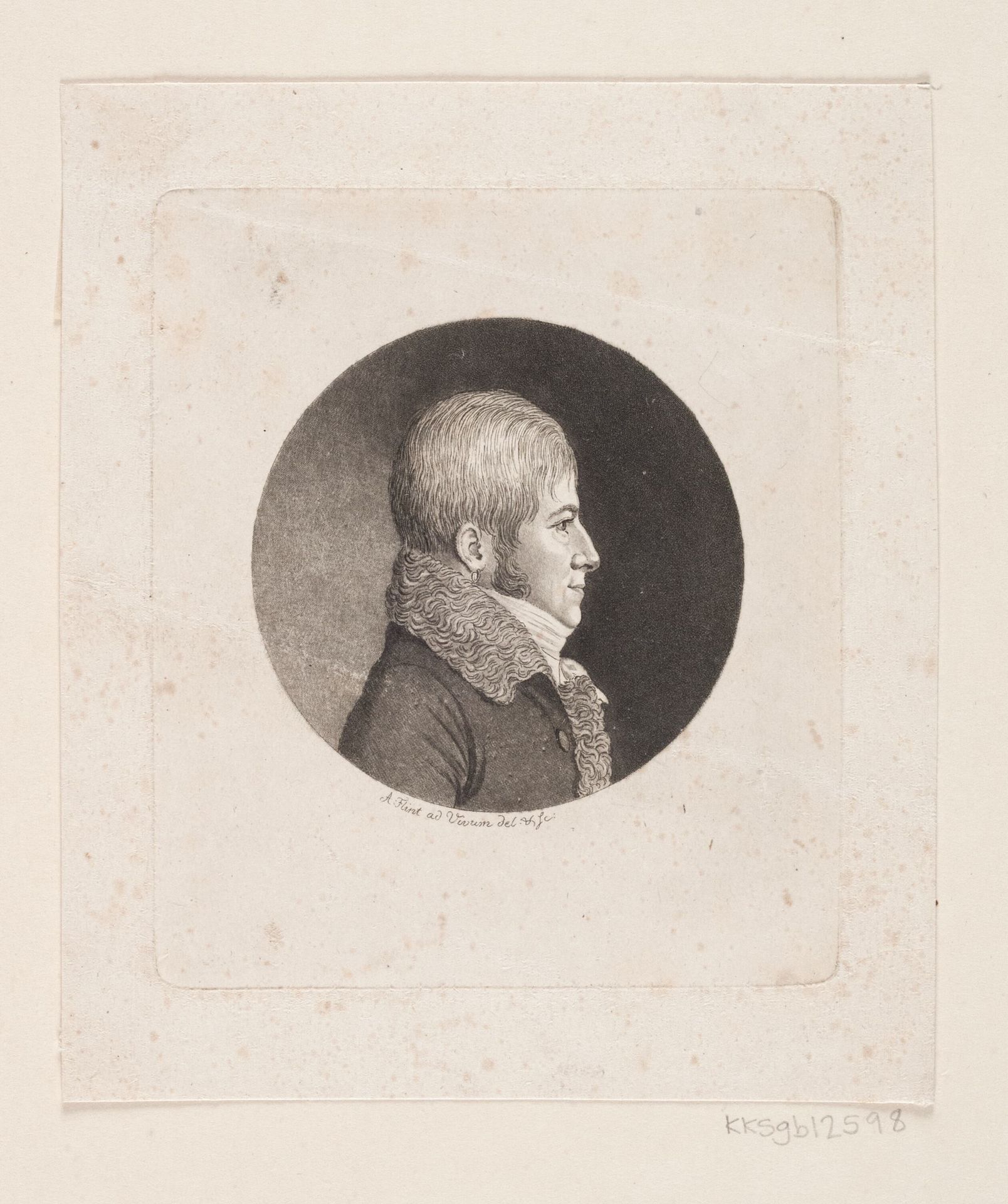
Andreas Flint created this portrait of an unknown man using engraving techniques. Flint, active during the late 18th and early 19th centuries, navigated a world undergoing significant social and political transformations. During this period, portraiture played a crucial role in shaping identity, particularly for the middle and upper classes. This engraving, with its classical profile and attention to detail, speaks to the sitter's social aspirations and the values of the time. Yet, it also invites us to consider the absences and silences of history. Who was this man, and what stories remain untold? The deliberate obscurity surrounding his identity prompts a deeper reflection on representation, power, and the complexities of historical narrative. Flint's work makes us consider the countless untold stories, inviting us to engage with the past in a more nuanced and empathetic way.
Ubekendt mandsportræt
1767 - 1824


Artwork details
- Medium
- drawing, print, pencil
- Dimensions
- 58 mm (None) (billedmaal), 95 mm (height) x 81 mm (width) (plademaal)
- Location
- SMK - Statens Museum for Kunst
Tags
Comments
Share your thoughts
About this artwork
Andreas Flint created this portrait of an unknown man using engraving techniques. Flint, active during the late 18th and early 19th centuries, navigated a world undergoing significant social and political transformations. During this period, portraiture played a crucial role in shaping identity, particularly for the middle and upper classes. This engraving, with its classical profile and attention to detail, speaks to the sitter's social aspirations and the values of the time. Yet, it also invites us to consider the absences and silences of history. Who was this man, and what stories remain untold? The deliberate obscurity surrounding his identity prompts a deeper reflection on representation, power, and the complexities of historical narrative. Flint's work makes us consider the countless untold stories, inviting us to engage with the past in a more nuanced and empathetic way.
Comments
Share your thoughts