About this artwork
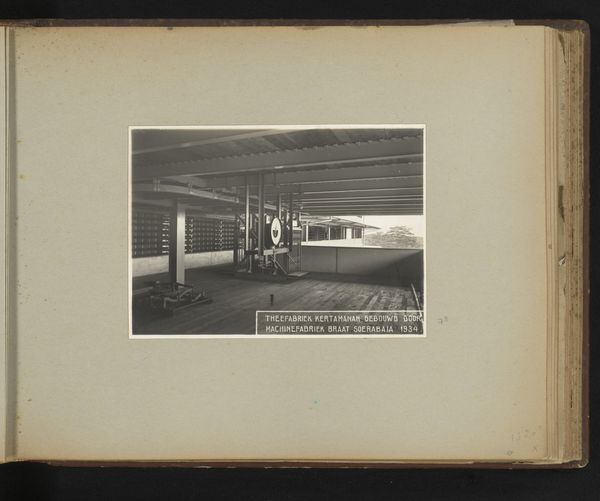
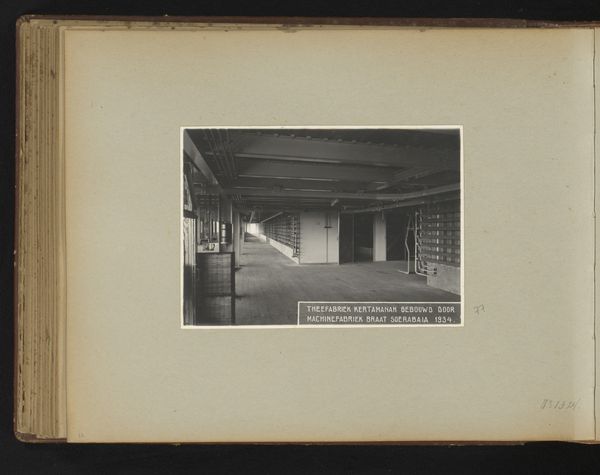
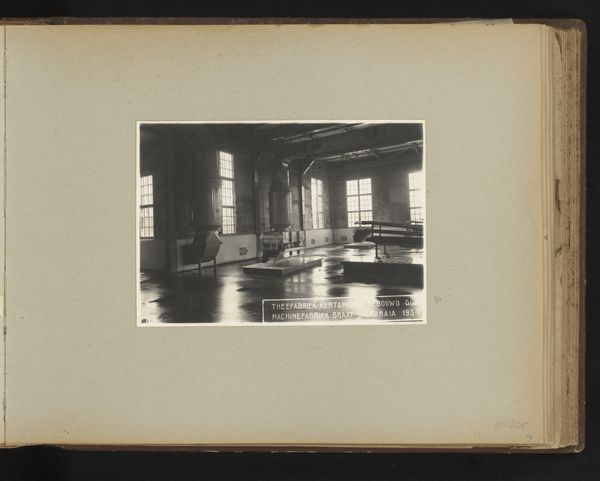
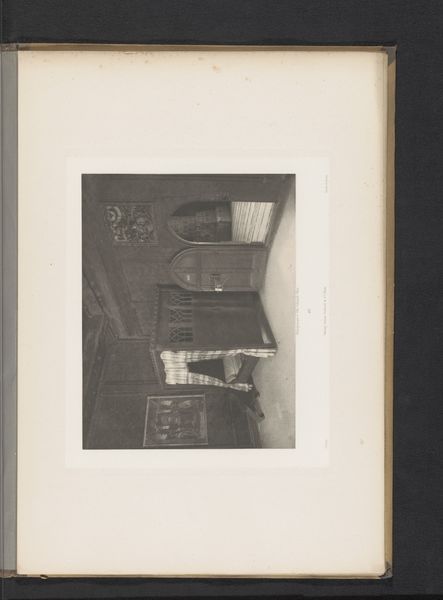
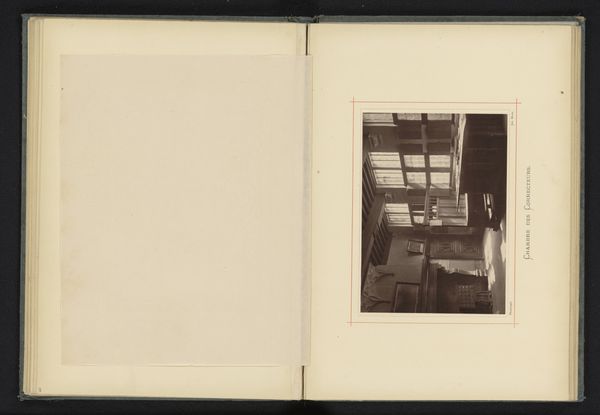
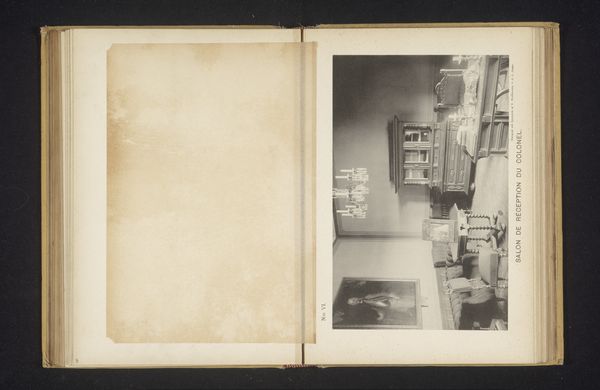
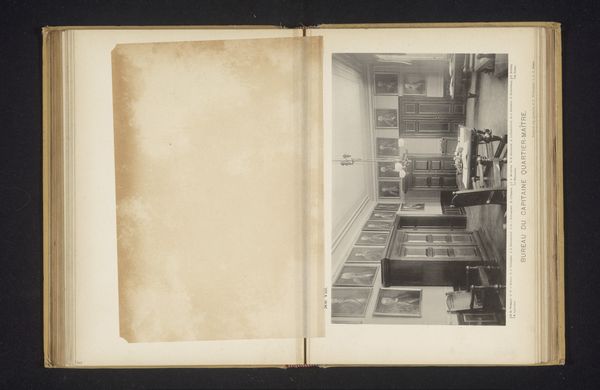
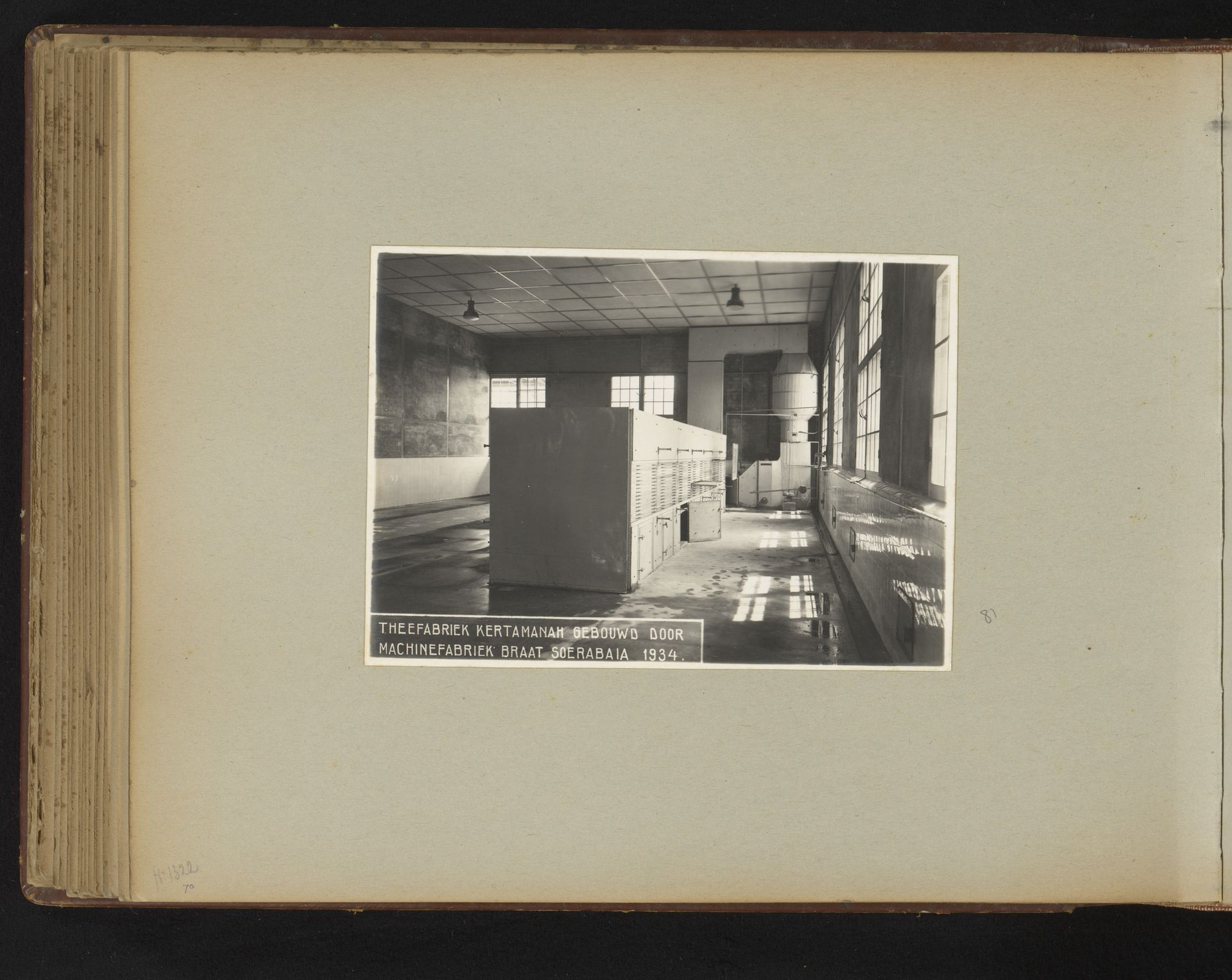
This photograph, taken in 1934 by an anonymous artist, captures the Theefabriek Kertamanah, a tea factory built by Machinefabriek Braat Soerabaia. It's a study in grayscale, where the contrast does all the talking, and it reminds me that artmaking is as much about what you leave out as what you put in. The texture here isn't about the surface of the photo itself, but the surfaces it depicts. The slick, reflective floor suggests recent cleaning. This creates such a stark contrast to the rough, utilitarian surfaces of the machinery. That light, those surfaces, give the space a tangible quality, almost like you could step right into it. The composition pulls you in, with those converging lines leading back to the heart of the factory. This anonymous artist reminds me a bit of Bernd and Hilla Becher, with their typologies of industrial structures. But there's also a quiet poetry here, a sense of human presence in a space built for industry. It leaves you wondering about the hands that built it, and the lives it touched. Art, like a good cup of tea, leaves room for contemplation.
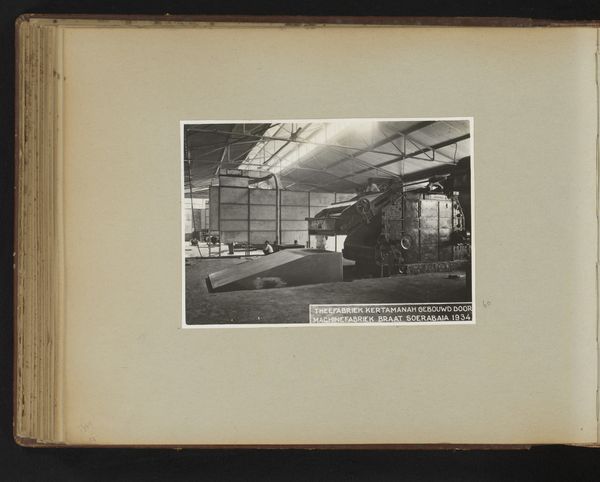
Theefabriek Kertamanah gebouwd door Machinefabriek Braat Soerabaia 1934
1934

Anonymous
@anonymousLocation
RijksmuseumArtwork details
- Medium
- print, photography, gelatin-silver-print
- Dimensions
- height 123 mm, width 172 mm, height 250 mm, width 320 mm
- Location
- Rijksmuseum
- Copyright
- Rijks Museum: Open Domain
Tags
Comments
Share your thoughts
About this artwork
This photograph, taken in 1934 by an anonymous artist, captures the Theefabriek Kertamanah, a tea factory built by Machinefabriek Braat Soerabaia. It's a study in grayscale, where the contrast does all the talking, and it reminds me that artmaking is as much about what you leave out as what you put in. The texture here isn't about the surface of the photo itself, but the surfaces it depicts. The slick, reflective floor suggests recent cleaning. This creates such a stark contrast to the rough, utilitarian surfaces of the machinery. That light, those surfaces, give the space a tangible quality, almost like you could step right into it. The composition pulls you in, with those converging lines leading back to the heart of the factory. This anonymous artist reminds me a bit of Bernd and Hilla Becher, with their typologies of industrial structures. But there's also a quiet poetry here, a sense of human presence in a space built for industry. It leaves you wondering about the hands that built it, and the lives it touched. Art, like a good cup of tea, leaves room for contemplation.
Comments
Share your thoughts