About this artwork
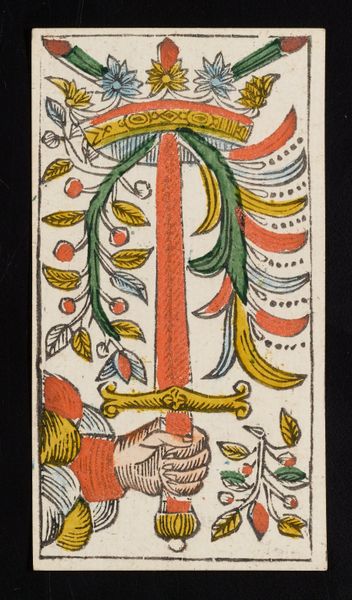
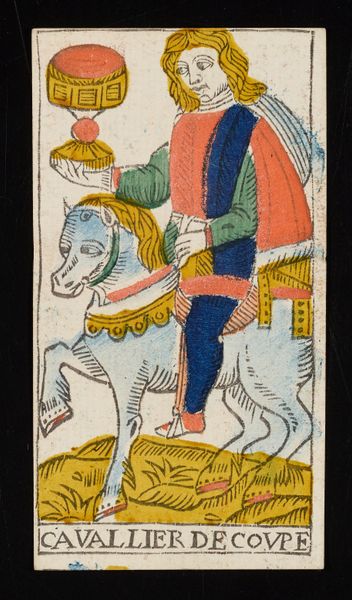
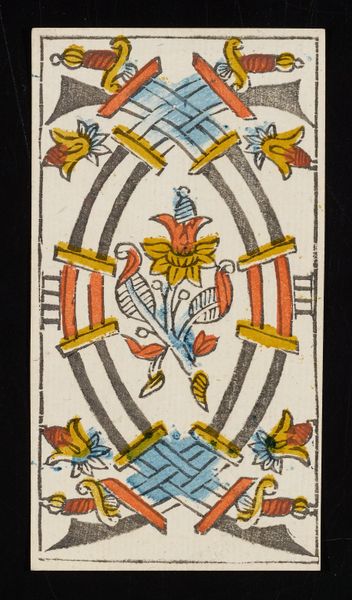
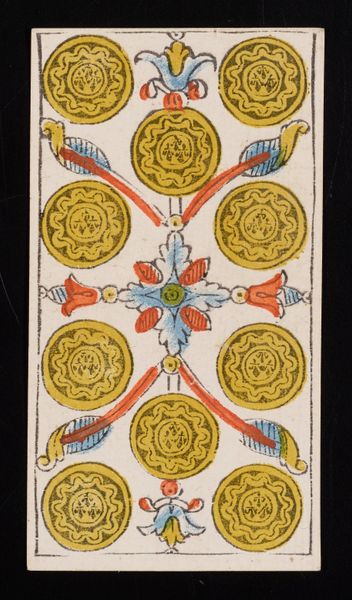
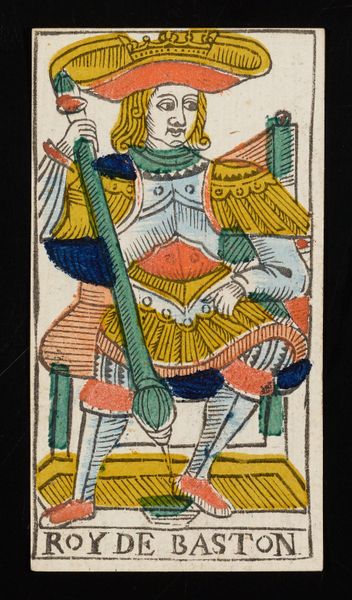
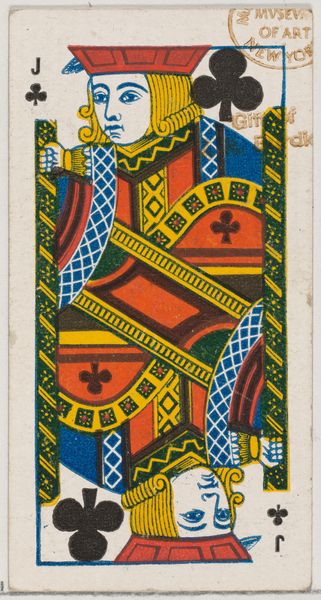
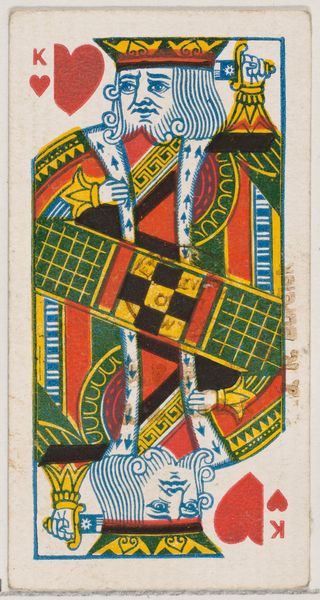
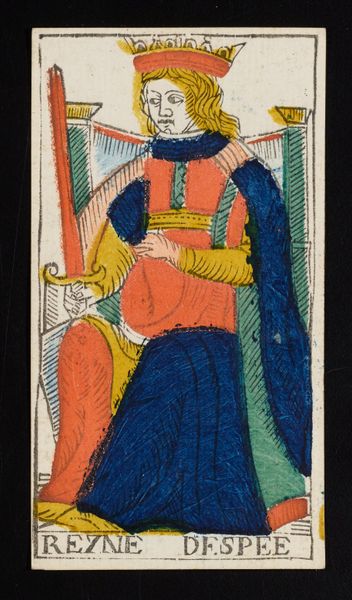
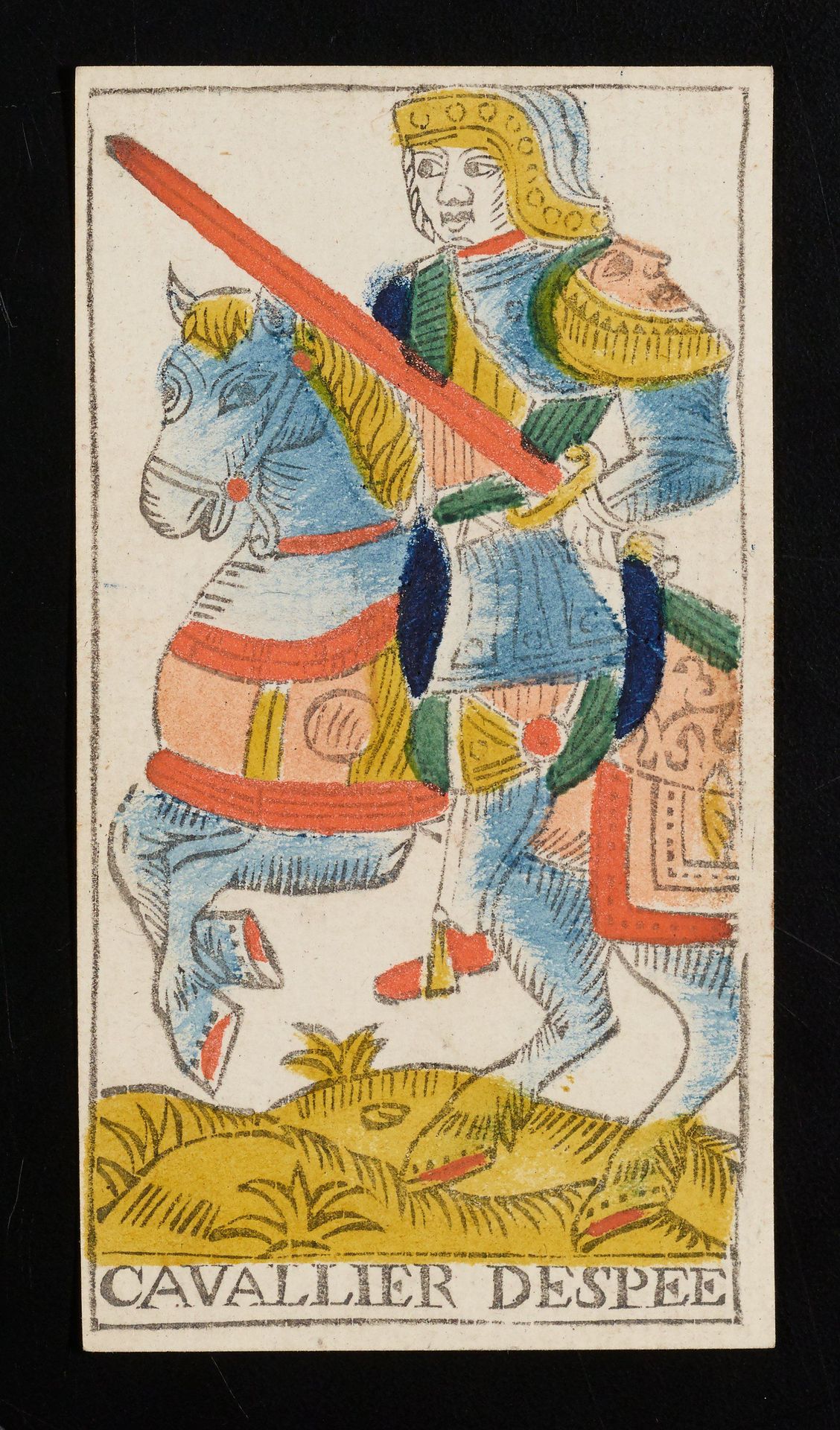
This is "Knight of Swords", a card created by Claude Burdel, dating back to the 18th century. Its small size draws us into a world of miniature detail. Burdel uses delicate lines and soft washes of color to define the knight and his steed. Note the structural arrangement of the card, with the knight positioned centrally, dividing the composition into distinct zones. The figure sits above the landscape below, and the title "Cavalier Despee" anchors the composition. Burdel’s choice of color is also notable. Pale blues, reds and yellows give the scene a dreamlike quality, evoking a sense of historical distance. The knight himself, rendered in simplified forms, seems to embody abstract ideals more than physical reality. The sword, held aloft, cuts across the pictorial space, disrupting any sense of calm. The card's function as a tool for divination is crucial. It is an invitation to interpret signs and symbols. Burdel provides a framework for exploring the hidden structures that shape our understanding of fate and fortune.
Knight of Swords
1751


Artwork details
- Medium
- print, engraving
- Dimensions
- 4 7/16 x 2 7/16 in. (11.27 x 6.19 cm) (image, sheet)4 5/8 x 2 1/2 in. (11.75 x 6.35 cm) (sheet, each)
- Location
- Minneapolis Institute of Art
- Copyright
- Public Domain
Tags
Comments
Share your thoughts
About this artwork
This is "Knight of Swords", a card created by Claude Burdel, dating back to the 18th century. Its small size draws us into a world of miniature detail. Burdel uses delicate lines and soft washes of color to define the knight and his steed. Note the structural arrangement of the card, with the knight positioned centrally, dividing the composition into distinct zones. The figure sits above the landscape below, and the title "Cavalier Despee" anchors the composition. Burdel’s choice of color is also notable. Pale blues, reds and yellows give the scene a dreamlike quality, evoking a sense of historical distance. The knight himself, rendered in simplified forms, seems to embody abstract ideals more than physical reality. The sword, held aloft, cuts across the pictorial space, disrupting any sense of calm. The card's function as a tool for divination is crucial. It is an invitation to interpret signs and symbols. Burdel provides a framework for exploring the hidden structures that shape our understanding of fate and fortune.
Comments
Share your thoughts