About this artwork
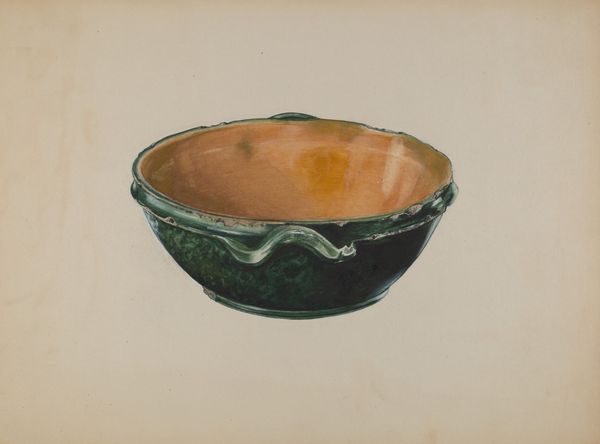
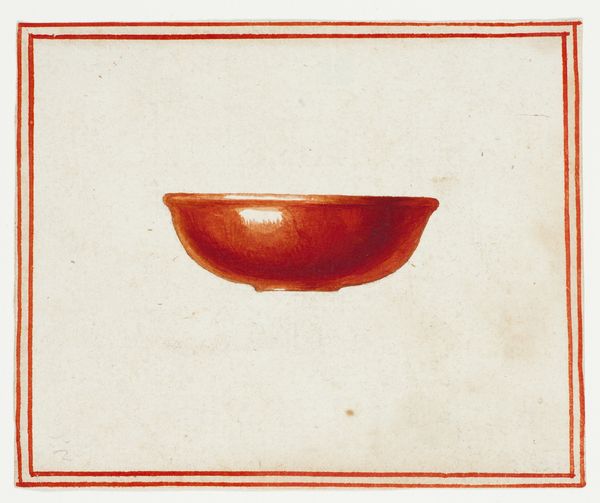
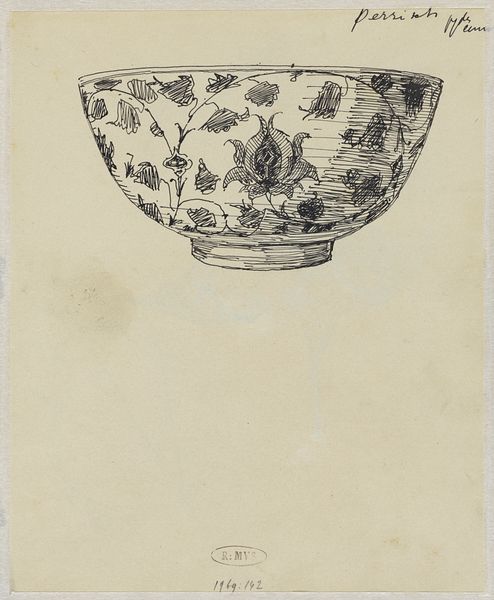
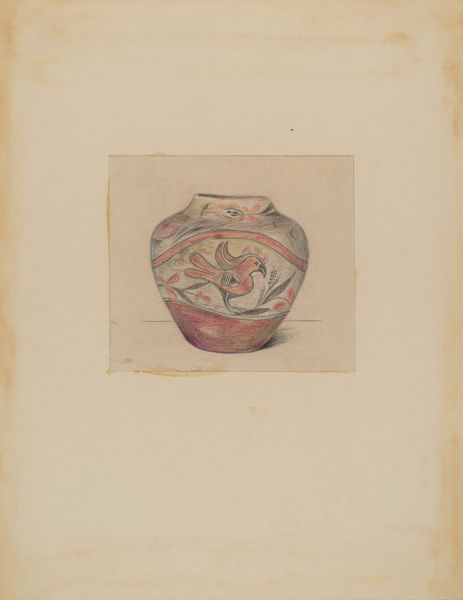
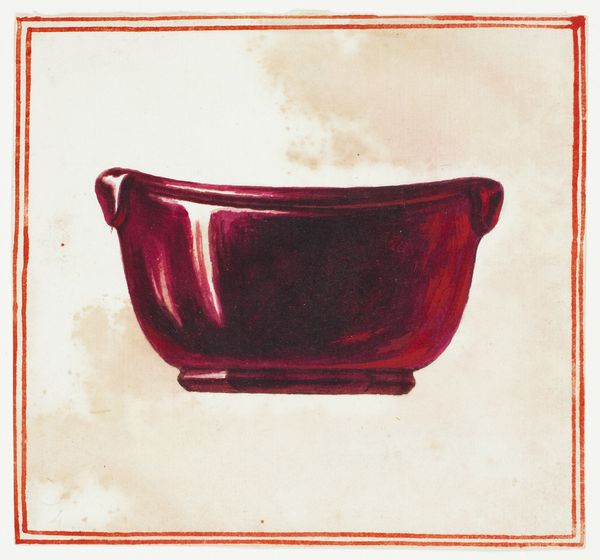
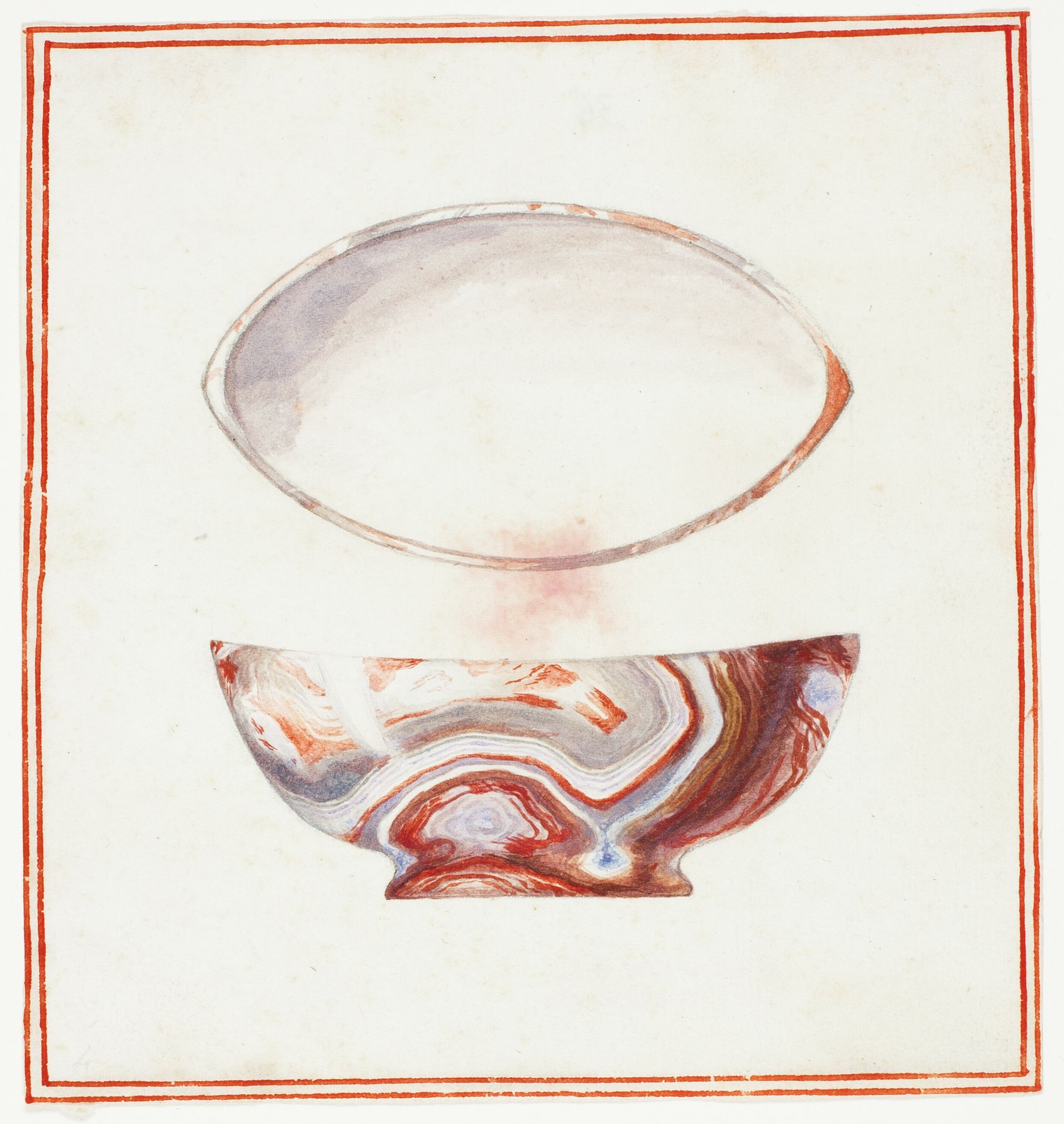
Giuseppe Grisoni rendered this marbleized bowl with cover in pen and watercolor in the 18th century. During this period, decorative arts and detailed studies of natural specimens gained prominence, reflecting both an appreciation for beauty and a burgeoning scientific interest. The marbleized effect in the bowl mimics natural stone formations, embodying a desire to capture and display nature's artistry. Consider the cultural status of marble: it was used widely in elite circles and conveys wealth and power. This watercolor, with its delicate lines and soft washes, embodies the Rococo aesthetic, favored by the European elite. How does this detailed depiction invite you to reflect on the intersection of art, science, and social status in the 1700s? It certainly speaks to the personal and societal values placed on luxury and the natural world at the time.
Marbleized Bowl with Cover
n.d.


Artwork details
- Medium
- drawing, coloured-pencil, print, gouache, paper, chalk
- Dimensions
- 132 × 124 mm
- Location
- The Art Institute of Chicago
- Copyright
- Public Domain
Tags
Comments
Share your thoughts
About this artwork
Giuseppe Grisoni rendered this marbleized bowl with cover in pen and watercolor in the 18th century. During this period, decorative arts and detailed studies of natural specimens gained prominence, reflecting both an appreciation for beauty and a burgeoning scientific interest. The marbleized effect in the bowl mimics natural stone formations, embodying a desire to capture and display nature's artistry. Consider the cultural status of marble: it was used widely in elite circles and conveys wealth and power. This watercolor, with its delicate lines and soft washes, embodies the Rococo aesthetic, favored by the European elite. How does this detailed depiction invite you to reflect on the intersection of art, science, and social status in the 1700s? It certainly speaks to the personal and societal values placed on luxury and the natural world at the time.
Comments
Share your thoughts