1603
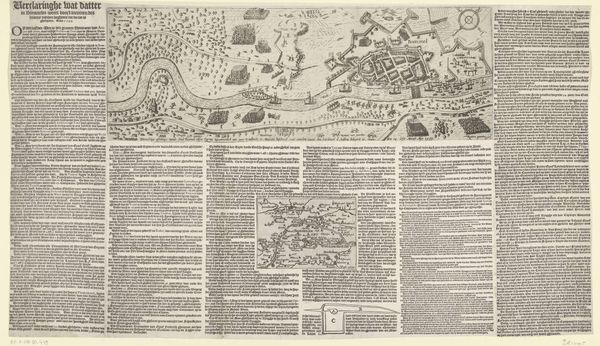
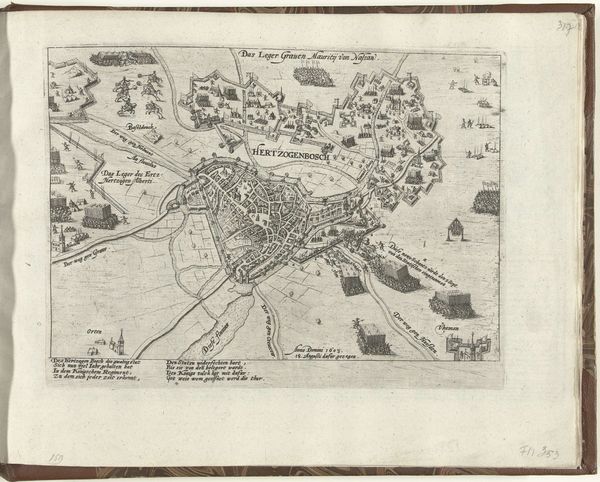
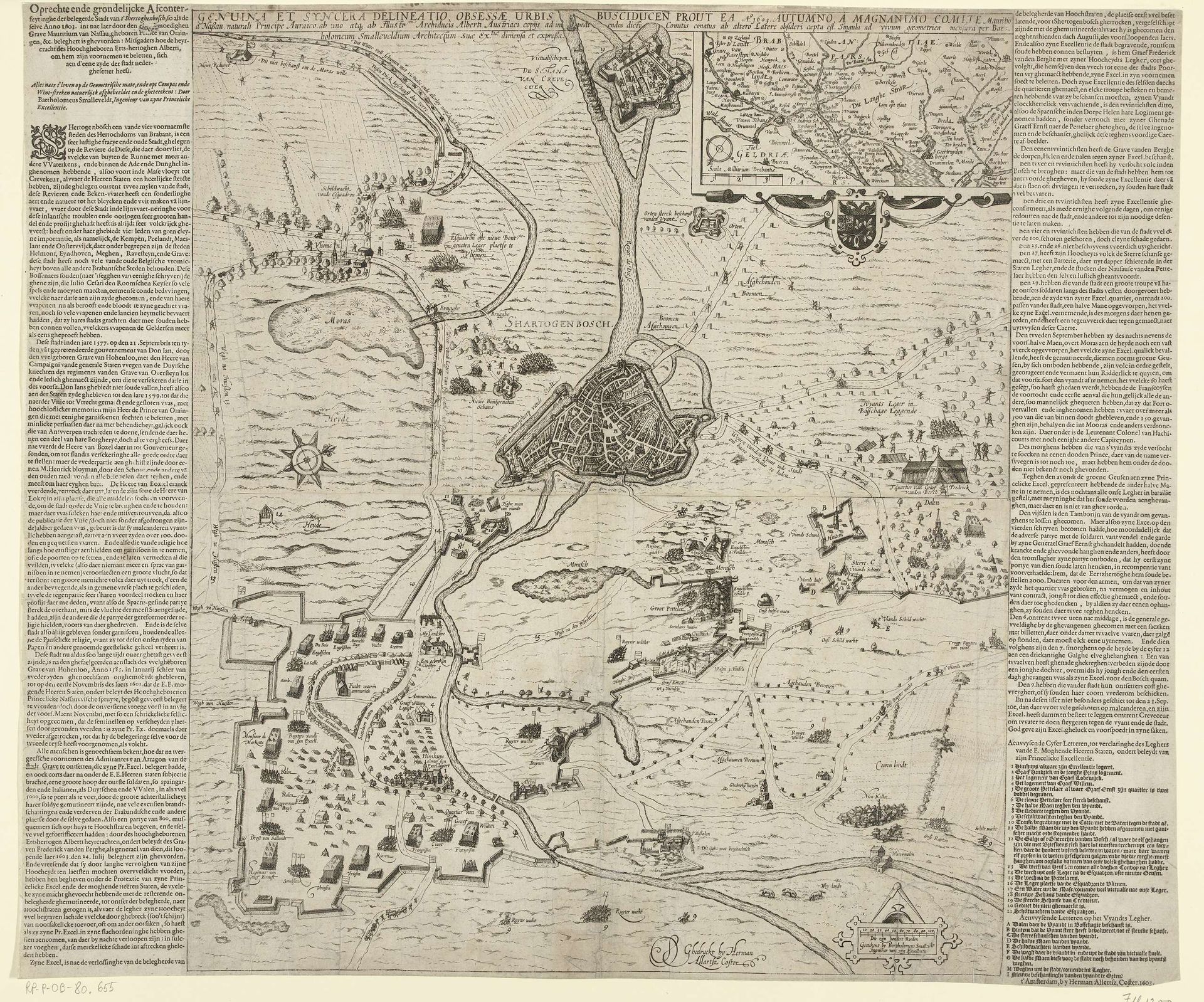
's-Hertogenbosch tevergeefs belegerd door Maurits, 1603

Listen to curator's interpretation
Curatorial notes
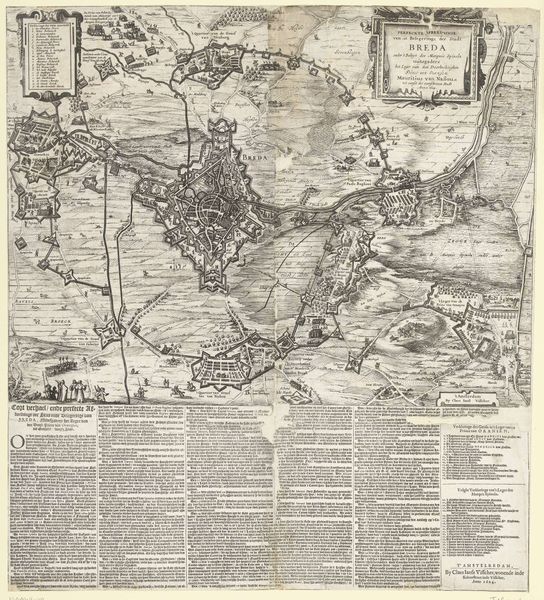
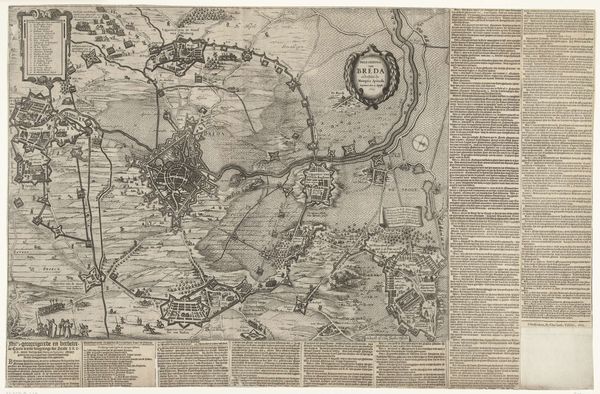
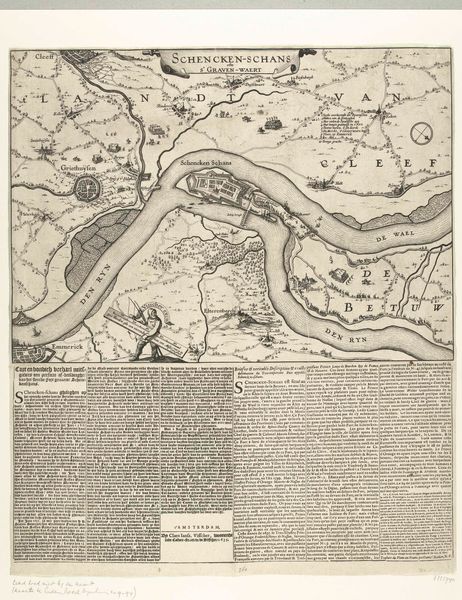
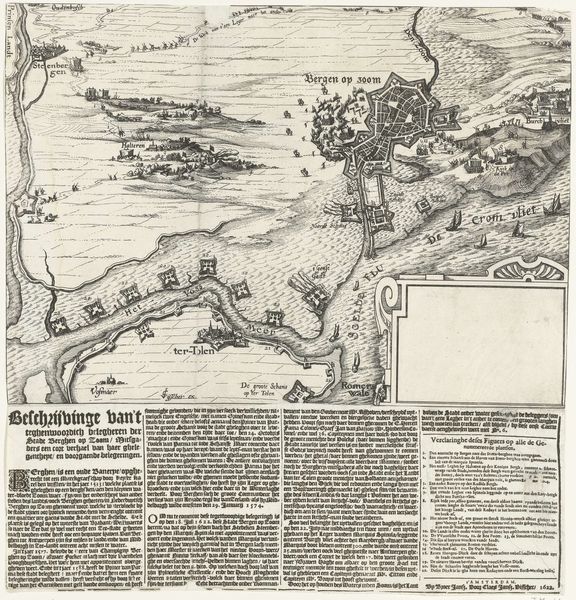
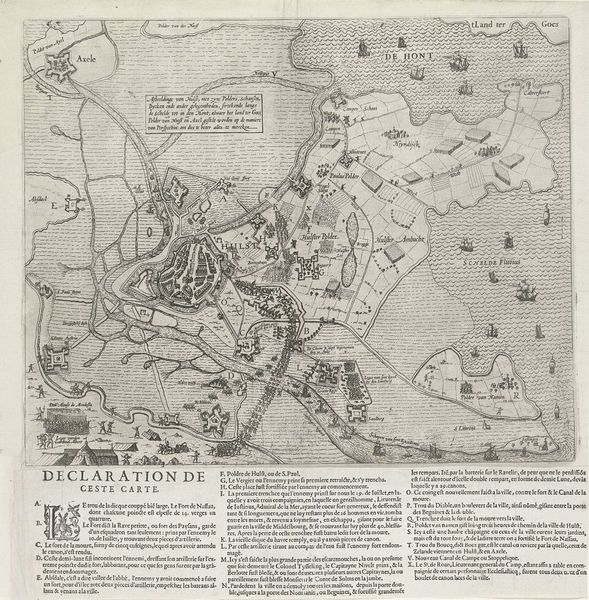
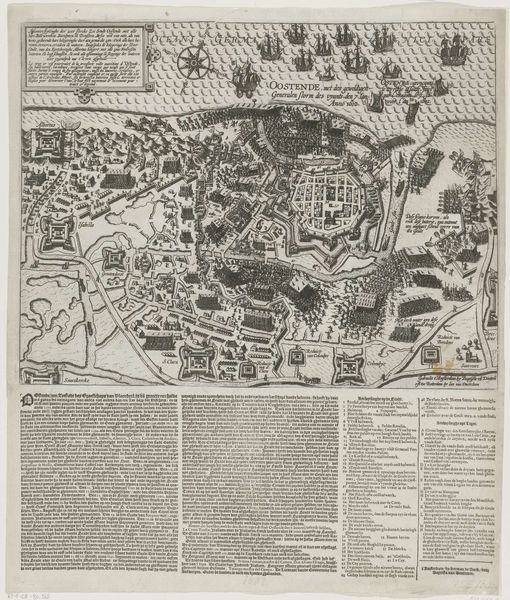
This print, depicting the unsuccessful siege of s-Hertogenbosch in 1603, was made anonymously using engraving. Look closely, and you’ll see the extraordinary detail achieved by cutting lines into a metal plate, inking it, and pressing it onto paper. The graphic language is quite specialized. It's almost a form of technical drawing. This wasn’t a fine art pursuit, but rather a means of mass communication. Maps like these were essential tools for military planning and political propaganda, widely distributed to inform and shape public opinion about ongoing conflicts. Consider the labor involved. The engraver had to be precise and patient, and the printing process demanded efficiency. In the early modern period, the printmaking trade was a complex, sometimes cutthroat, industry involving specialized workshops. Ultimately, this print’s value lies in how it captures a specific historical moment and reflects the social and economic forces driving its creation and circulation. It reminds us that art is always embedded in a web of human activity.