About this artwork
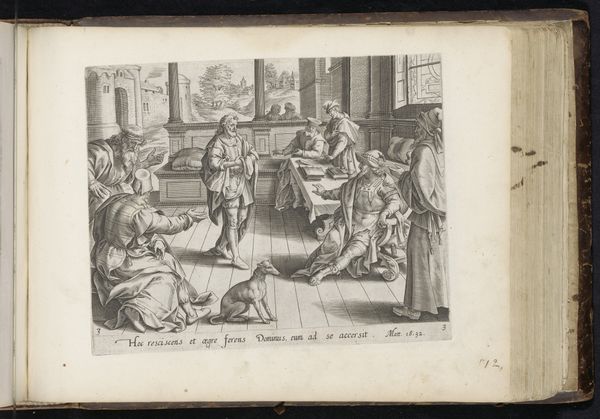
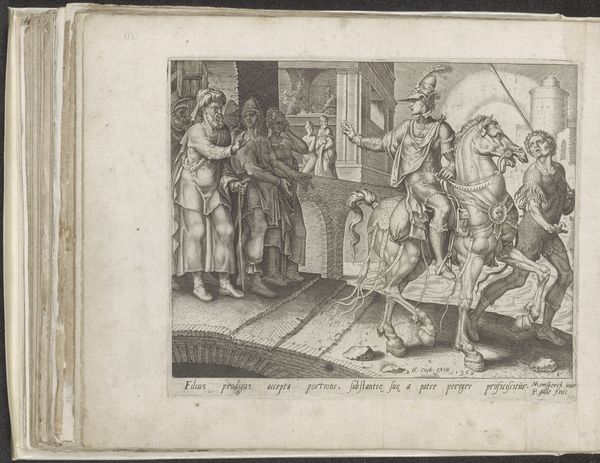
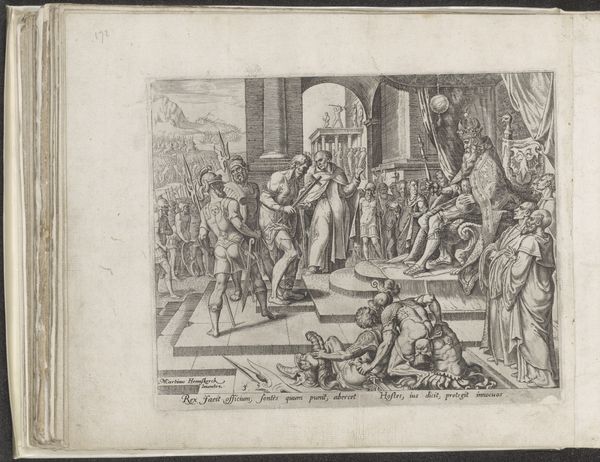
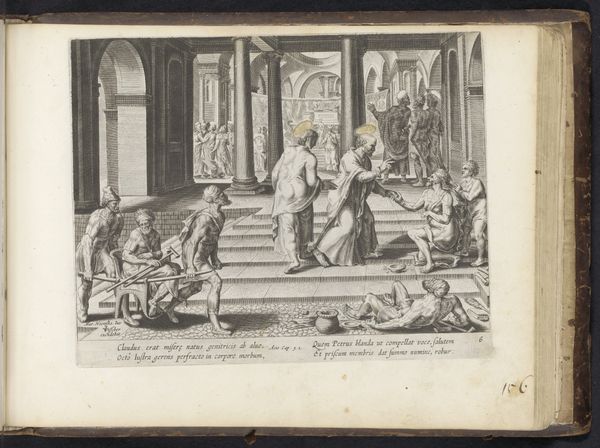
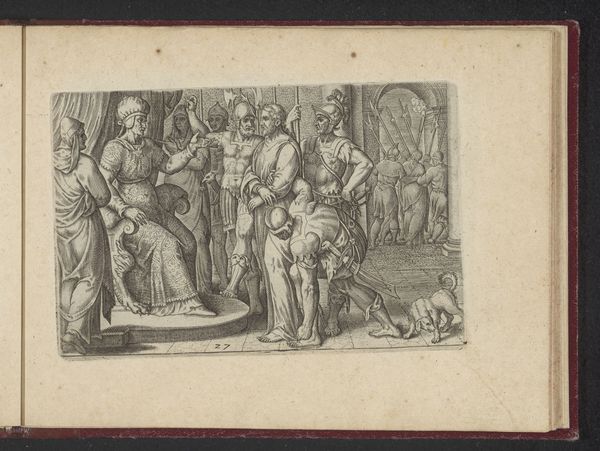
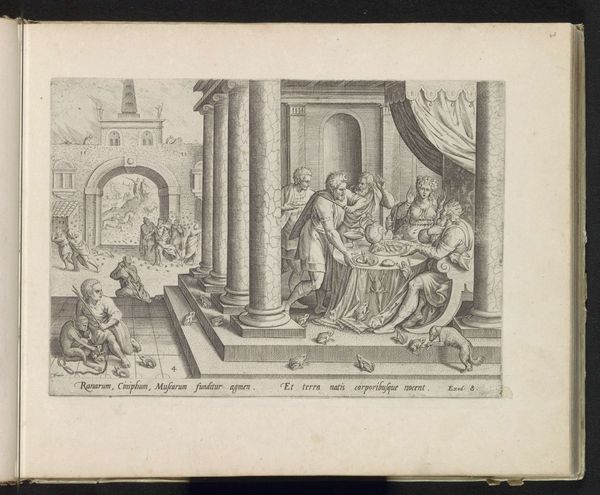
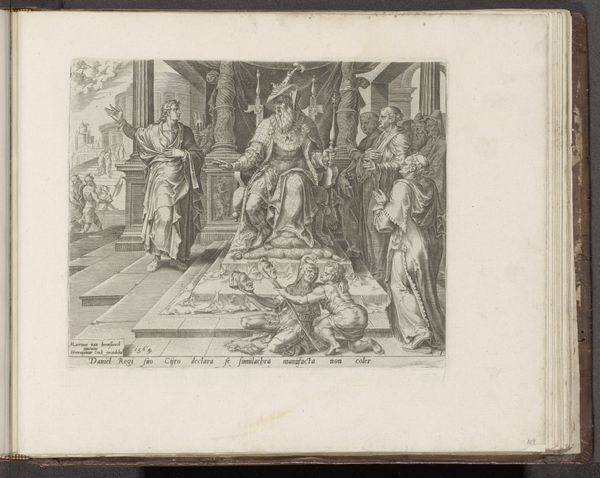
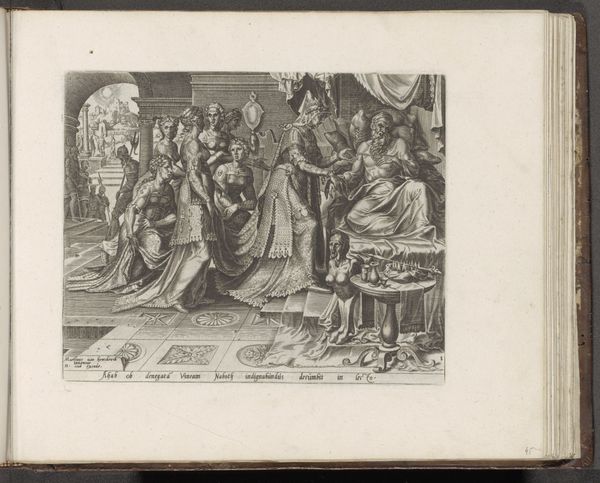
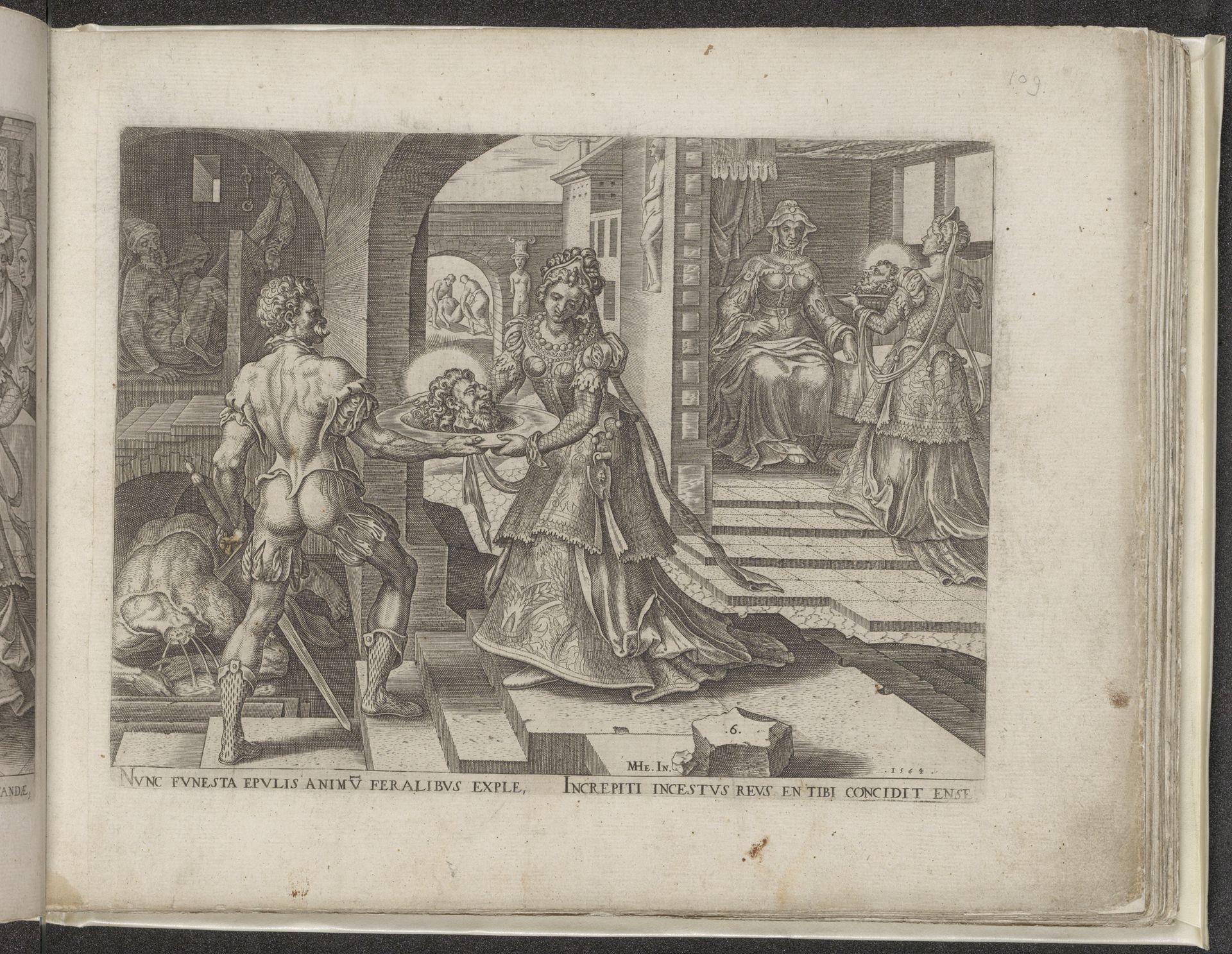
Philips Galle made this engraving, Salome Receives the Head of John the Baptist, in the Netherlands in the late 16th century. At this time, the Dutch Republic was emerging as a center of artistic innovation, driven by its growing merchant class and relative religious tolerance. This print is not simply an illustration of a biblical story. It's a commentary on power, morality, and the role of women in society. The scene is meticulously rendered, with attention to the lavish costumes and architectural details that would appeal to Galle’s wealthy clientele. Yet, beneath the surface beauty, the print offers a stark critique of the ruling elite, suggesting that their indulgence and moral corruption lead to violence and injustice. This message would have resonated with a society grappling with its own political and religious conflicts, as well as with the emergence of a self-consciously pious merchant class. To fully understand this image, we must look to the social and intellectual history of the Dutch Republic. Contemporary sermons, political pamphlets, and other visual artworks offer insight into the complex world that shaped Galle's vision.
Salome ontvangt het hoofd van Johannes de Doper
1564

Philips Galle
1537 - 1612Location
RijksmuseumArtwork details
- Medium
- print, engraving
- Dimensions
- height 198 mm, width 263 mm
- Location
- Rijksmuseum
- Copyright
- Rijks Museum: Open Domain
Tags
Comments
Share your thoughts
About this artwork
Philips Galle made this engraving, Salome Receives the Head of John the Baptist, in the Netherlands in the late 16th century. At this time, the Dutch Republic was emerging as a center of artistic innovation, driven by its growing merchant class and relative religious tolerance. This print is not simply an illustration of a biblical story. It's a commentary on power, morality, and the role of women in society. The scene is meticulously rendered, with attention to the lavish costumes and architectural details that would appeal to Galle’s wealthy clientele. Yet, beneath the surface beauty, the print offers a stark critique of the ruling elite, suggesting that their indulgence and moral corruption lead to violence and injustice. This message would have resonated with a society grappling with its own political and religious conflicts, as well as with the emergence of a self-consciously pious merchant class. To fully understand this image, we must look to the social and intellectual history of the Dutch Republic. Contemporary sermons, political pamphlets, and other visual artworks offer insight into the complex world that shaped Galle's vision.
Comments
Share your thoughts