About this artwork
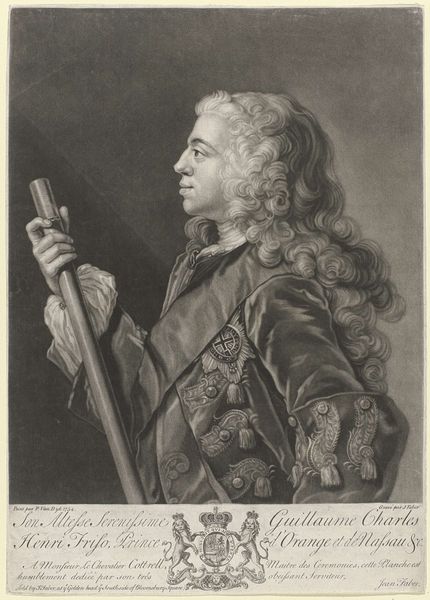
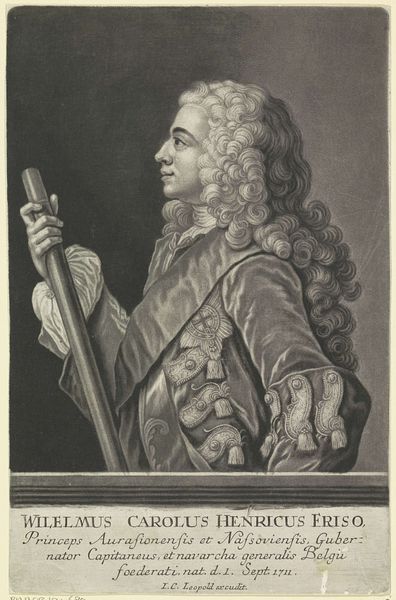
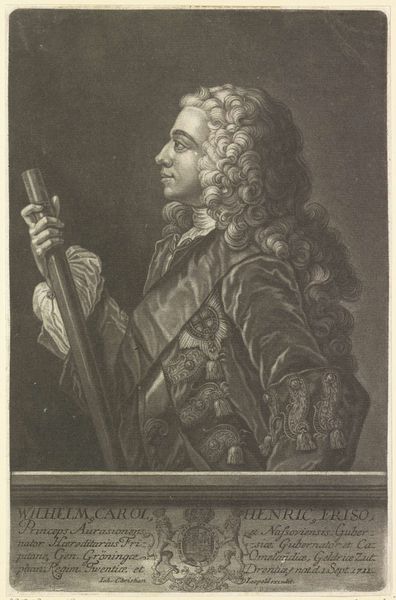
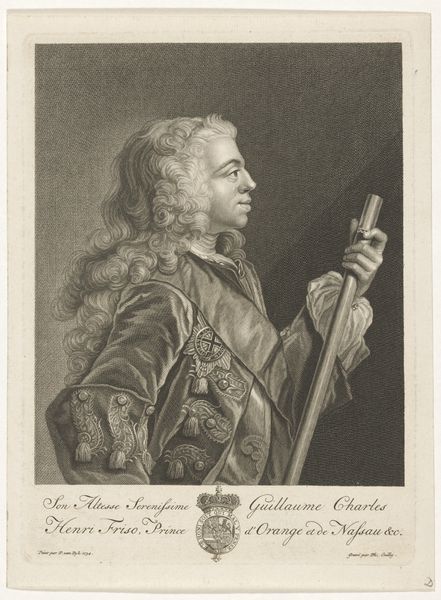
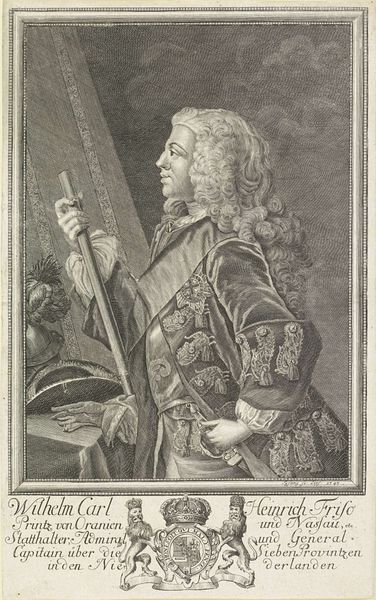
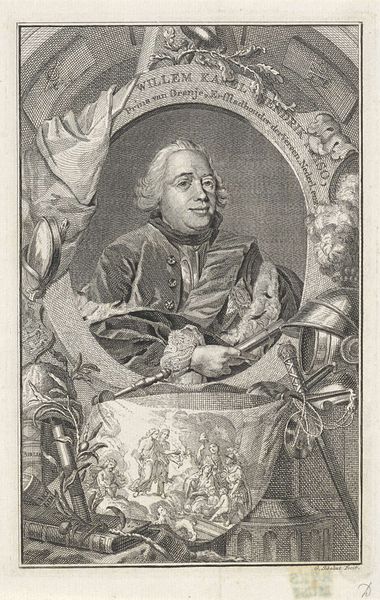
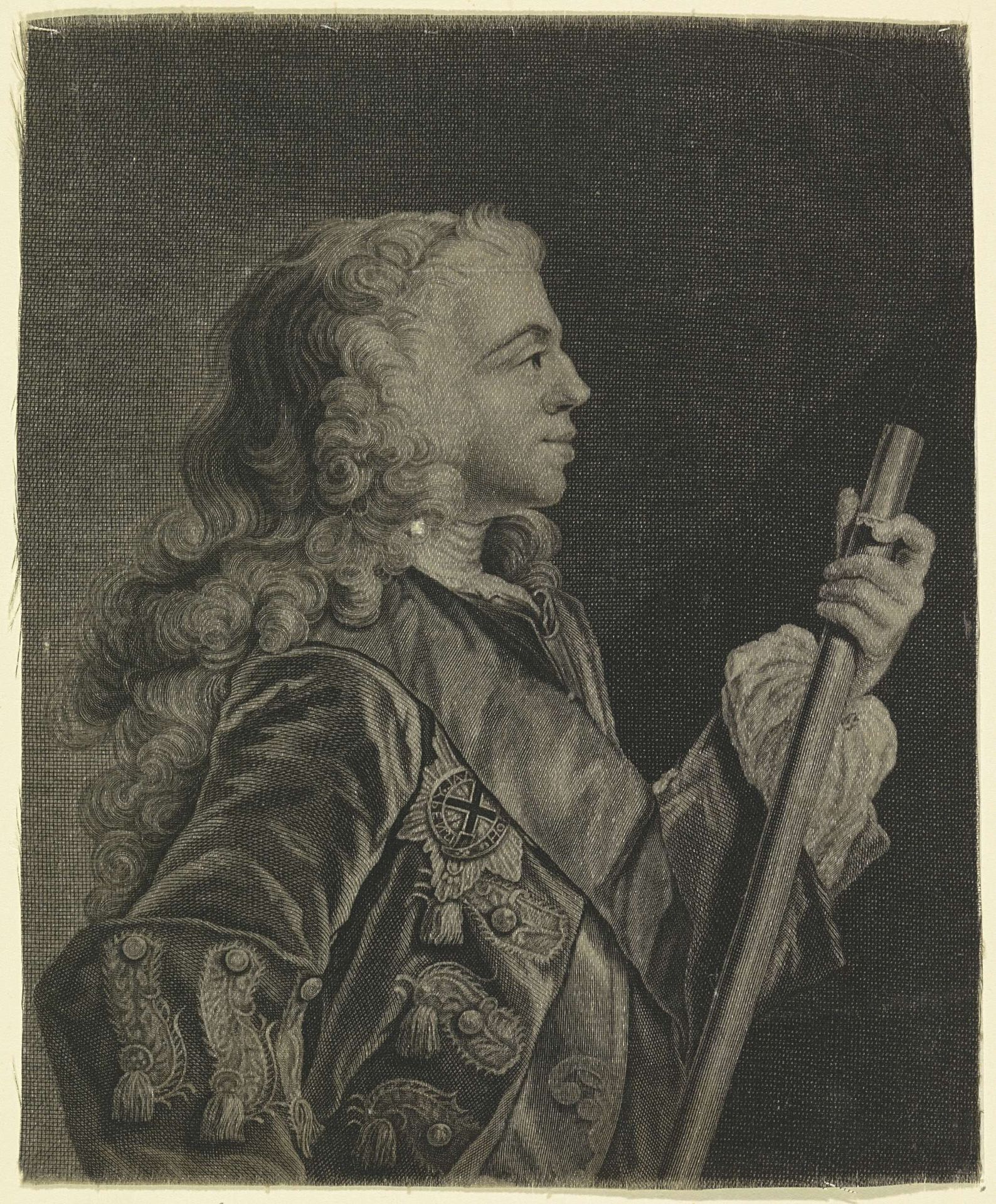
This is Philippus Endlich's portrait of Willem IV, Prince of Orange-Nassau. Note the baton he holds. It's not merely a walking stick, but a symbol of authority, echoing the scepters of kings and the staffs of military commanders. Consider, for instance, the ancient Roman fasces, bundles of rods signifying power and jurisdiction. This symbol transcends time, reappearing in various forms across cultures. In each instance, they tap into a primal need for order and control. The baton, therefore, speaks to our collective memory of leadership, triggering subconscious associations with strength and command. It's a visual shorthand that evokes deep-seated psychological responses to authority figures. Notice how the baton, like the fasces, has resurfaced, evolved, and taken on new meanings in different historical contexts.
Portret van Willem IV, prins van Oranje-Nassau 1734 - 1799

Philippus Endlich
1700 - 1748Location
RijksmuseumArtwork details
- Dimensions
- height 187 mm, width 153 mm
- Location
- Rijksmuseum
- Copyright
- Rijks Museum: Open Domain
Comments
No comments
About this artwork
This is Philippus Endlich's portrait of Willem IV, Prince of Orange-Nassau. Note the baton he holds. It's not merely a walking stick, but a symbol of authority, echoing the scepters of kings and the staffs of military commanders. Consider, for instance, the ancient Roman fasces, bundles of rods signifying power and jurisdiction. This symbol transcends time, reappearing in various forms across cultures. In each instance, they tap into a primal need for order and control. The baton, therefore, speaks to our collective memory of leadership, triggering subconscious associations with strength and command. It's a visual shorthand that evokes deep-seated psychological responses to authority figures. Notice how the baton, like the fasces, has resurfaced, evolved, and taken on new meanings in different historical contexts.
Comments
No comments