1870 - 1926
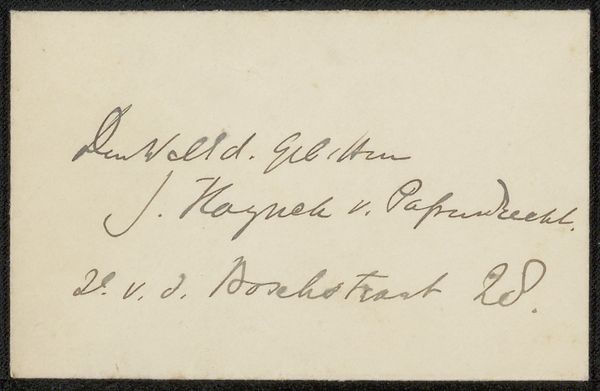
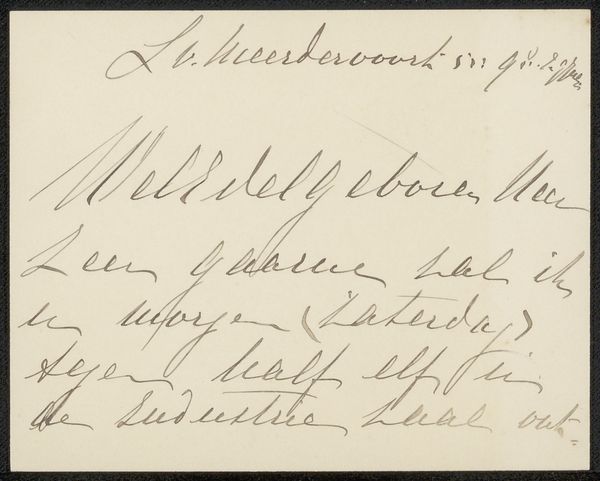
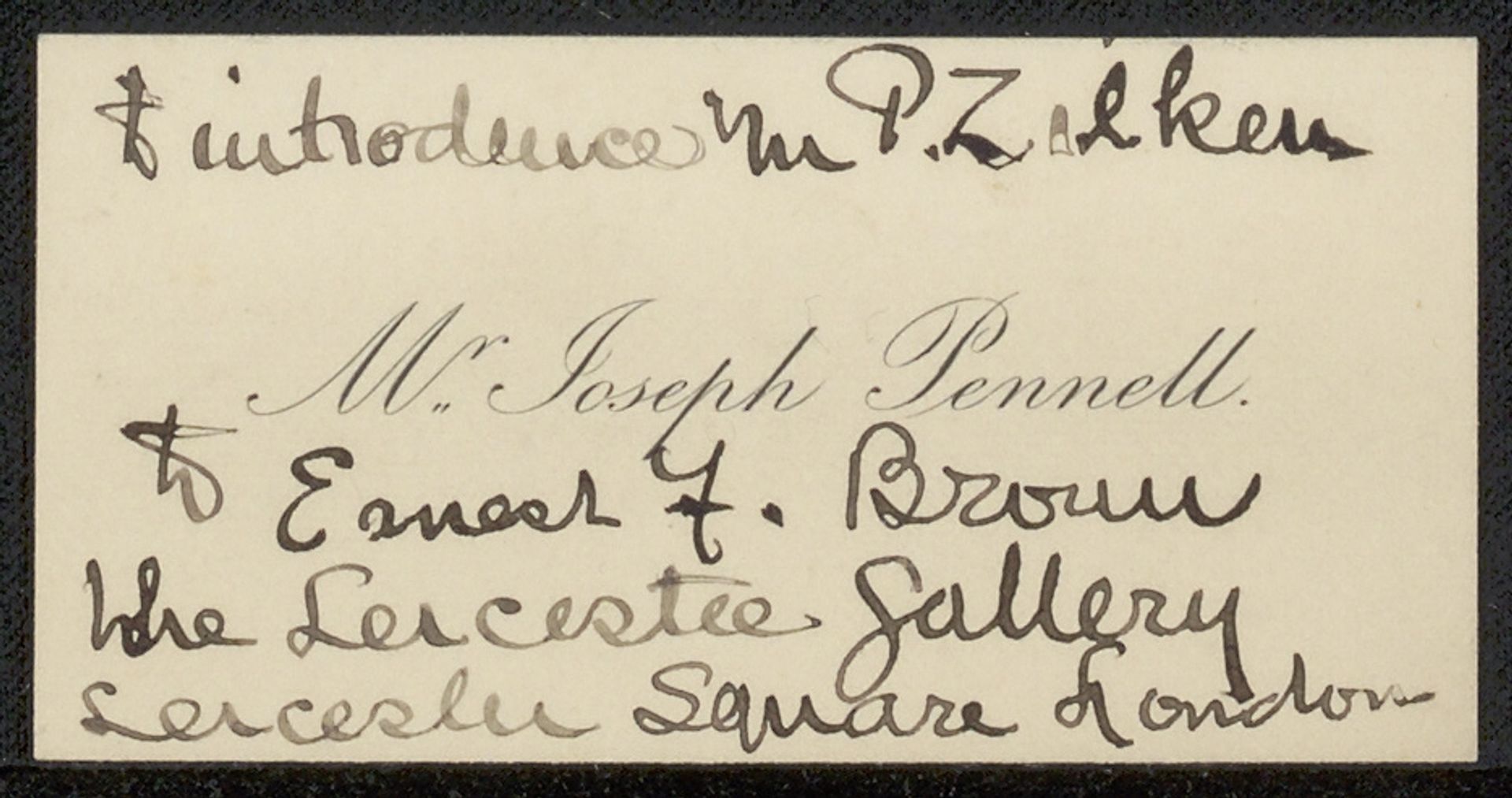
Visitekaartje aan Philip Zilcken

Listen to curator's interpretation
Curatorial notes
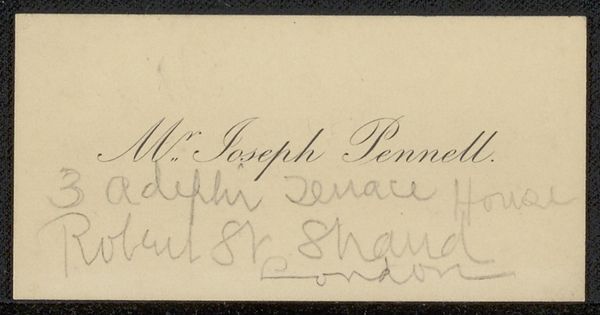
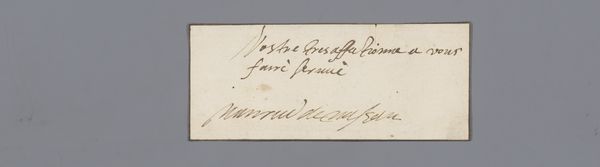
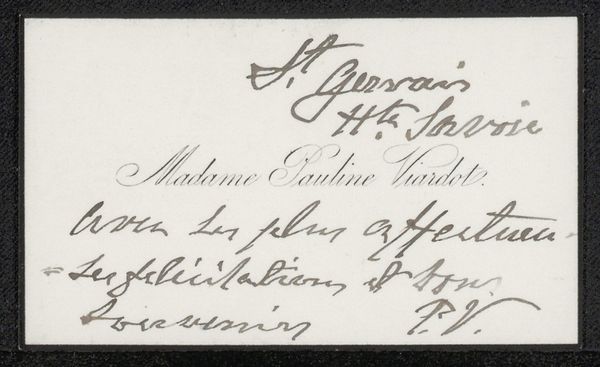
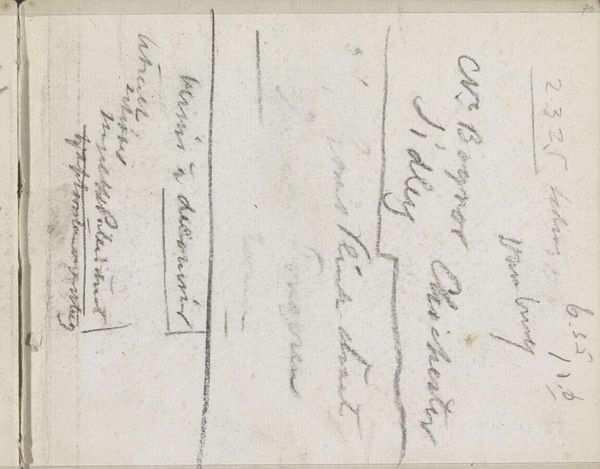
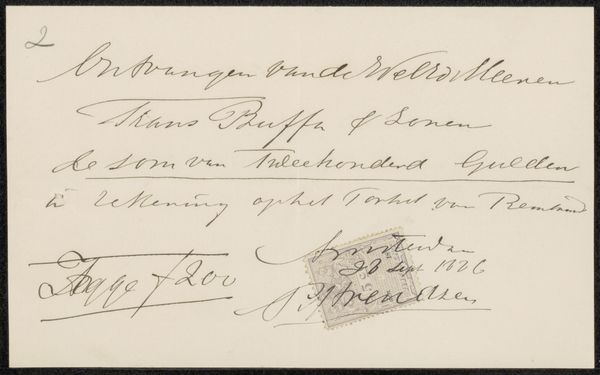
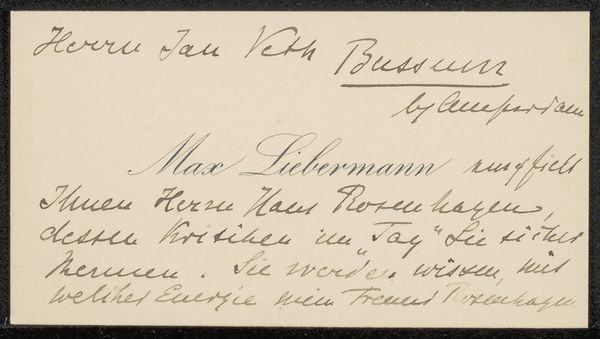
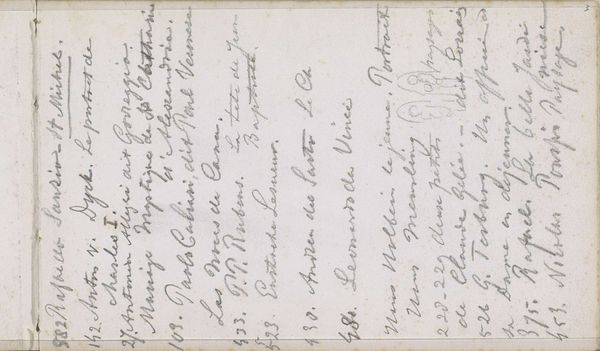
Curator: Joseph Pennell's "Visitekaartje aan Philip Zilcken," likely created between 1870 and 1926, presents us with an intriguing example of artistic correspondence. It's a calling card crafted in ink, bearing delicate, flowing script. Editor: The visual weight of the calligraphy evokes a powerful feeling of gentility. It reminds me of the subtle hierarchies of social engagement and invitation during the time. There is an inherent sense of accessibility communicated by this visual token of introduction. Curator: Yes, the calligraphy embodies a specific kind of visual language common to its period. It suggests formality, certainly, but also signals the cultivated tastes of both the giver and receiver. The flourish of each stroke could also indicate their aesthetic values. Think of illuminated manuscripts! It reminds us how deeply embedded symbolic meaning can be within letterforms. Editor: Beyond mere decoration, however, I wonder about the context of exchange. Who was Zilcken? Why the need for such an introduction via Pennell, at the Leicester Gallery no less? This card serves as more than a social nicety; it’s a record of connections, perhaps hinting at broader networks of artistic and political patronage. I'd be interested in understanding the precise relations between Pennell, Brown, and Zilcken. Curator: That is interesting indeed! It could point to subtle power dynamics within artistic circles. But isn't there something intimate as well? Pennell clearly dedicated time and effort in producing a beautiful introduction and social instrument. It elevates a mundane function into an aesthetic experience that conveys great intention and cultural belonging. Editor: Fair point. But I think looking at this artefact as an instrument of connection underscores how profoundly even simple aesthetic gestures play a part in the bigger system, especially in constructing social positionality for historically privileged individuals. Curator: A compelling thought! Looking at this piece reminds me that visual languages communicate much more than we see on the surface and echo deep societal relations. Editor: It is true. Analyzing even such small, beautiful relics brings to light critical conversations about what matters across generations and artistic scenes.